

.jpg)
12 November 2025
Australia’s conservative Liberal Party has abandoned its commitment to reach net-zero emissions by 2050, marking a major shift in the country’s climate debate and aligning the party with its rural coalition partner, the Nationals. The decision follows months of internal divisions between moderates and right-wing members, culminating in a five-hour meeting where a majority voted to scrap the target.
Opposition Leader Sussan Ley announced the policy reversal on Thursday, saying a future Liberal government would prioritise lowering energy prices over long-term emissions goals. Ley said the party would dismantle the Labor government’s climate and energy policies, including legislated emissions reduction and renewable energy targets. However, she confirmed that Australia would remain a signatory to the Paris climate agreement.
“Today the Liberal Party has decided to put affordable energy first,” Ley said, adding that net zero would only be pursued “if we can get there with technology, with choice and voluntary markets.” The new approach includes preventing early coal plant closures, lifting Australia’s longstanding ban on nuclear energy, and expanding investment in new gas supply and infrastructure.
Ley insisted emissions would still fall “as fast as technology allows” and in line with comparable economies. But legal scholars warn the shift risks putting Australia at odds with its global obligations. Julia Dehm, associate law professor at La Trobe University, said abandoning net zero violates the Paris principle of progressive ambition, warning of potential reputational damage and even legal consequences.
The Liberal Party first adopted the 2050 target under former Prime Minister Scott Morrison in 2021. But internal tensions resurfaced after the party’s heavy defeat to Labor in the 2022 election. Meanwhile, the Labor government is moving in the opposite direction-aiming for a 62–70% emissions cut by 2035 and committing A$5 billion to industrial decarbonization.
The Liberals’ reversal now sets up a stark climate policy divide ahead of the next election.
Political-party net-zero backtracking creates real policy-risk uncertainty for Australian corporates planning long-horizon transition capex, even when the current government stays firm - boards have to plan for both possible next-election outcomes. Our climate-action and market-intelligence teams help clients build multi-scenario planning that stays robust across shifting political signals.

• 𝘛𝘩𝘦 𝘜𝘈𝘌 𝘍𝘰𝘰𝘥 𝘉𝘢𝘯𝘬 𝘢𝘯𝘥 𝘋𝘶𝘣𝘢𝘪’𝘴 𝘊𝘰𝘮𝘮𝘶𝘯𝘪𝘵𝘺 𝘋𝘦𝘷𝘦𝘭𝘰𝘱𝘮𝘦𝘯𝘵 𝘈𝘶𝘵𝘩𝘰𝘳𝘪𝘵𝘺 (𝘊𝘋𝘈) 𝘩𝘢𝘷𝘦 𝘴𝘪𝘨𝘯𝘦𝘥 𝘢𝘯 𝘢𝘨𝘳𝘦𝘦𝘮𝘦𝘯𝘵 𝘵𝘰 𝘤𝘰𝘭𝘭𝘦𝘤𝘵 𝘢𝘯𝘥 𝘳𝘦𝘥𝘪𝘴𝘵𝘳𝘪𝘣𝘶𝘵𝘦 𝘴𝘶𝘳𝘱𝘭𝘶𝘴 𝘧𝘰𝘰𝘥 𝘧𝘳𝘰𝘮 𝘸𝘦𝘥𝘥𝘪𝘯𝘨𝘴 𝘢𝘯𝘥 𝘦𝘷𝘦𝘯𝘵𝘴. • 𝘛𝘩𝘦 𝘪𝘯𝘪𝘵𝘪𝘢𝘵𝘪𝘷𝘦 𝘸𝘪𝘭𝘭 𝘧𝘰𝘭𝘭𝘰𝘸 𝘢𝘱𝘱𝘳𝘰𝘷𝘦𝘥…
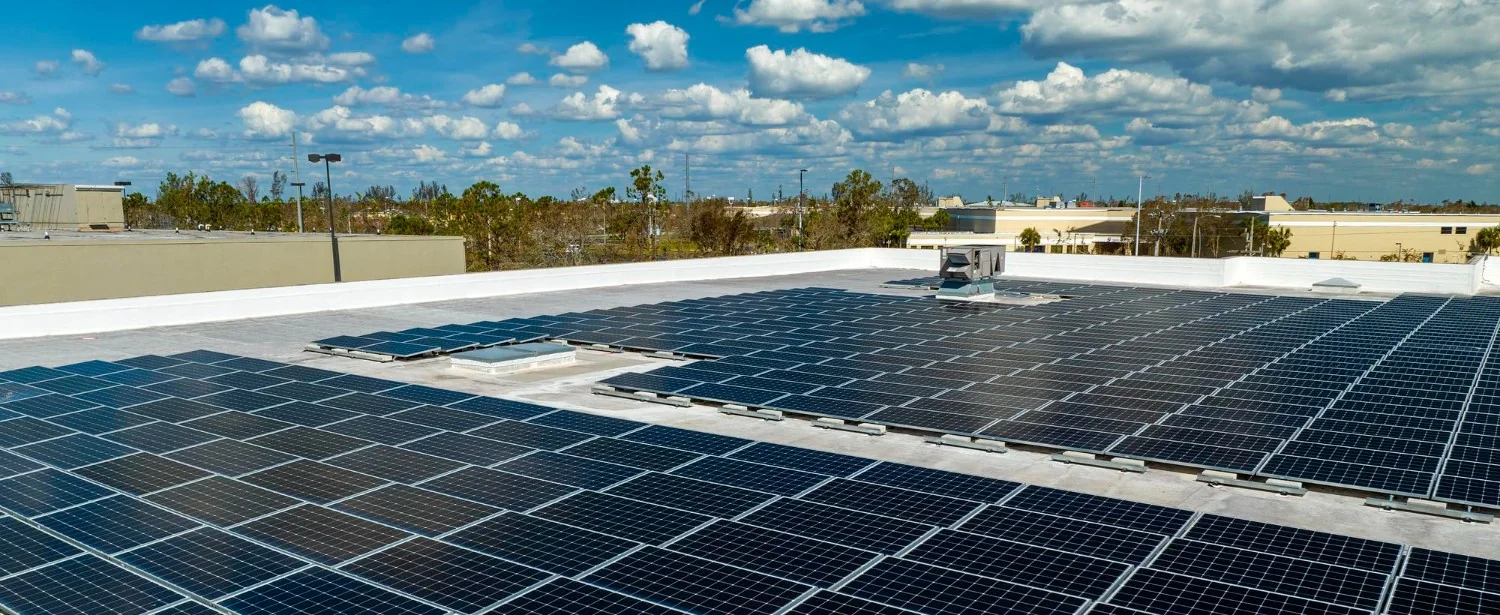
<ul><li><i>India’s rooftop solar capacity reached 30.7 GW in July 2026, increasing the need for better grid management and flexibility.</i></li><li><i>Kerala and Maharashtra are exploring battery ener…

• 𝘛𝘩𝘦 𝘌𝘐𝘉 𝘎𝘳𝘰𝘶𝘱 𝘱𝘭𝘢𝘯𝘴 𝘵𝘰 𝘱𝘳𝘰𝘷𝘪𝘥𝘦 𝘢𝘵 𝘭𝘦𝘢𝘴𝘵 €30 𝘣𝘪𝘭𝘭𝘪𝘰𝘯 𝘧𝘰𝘳 𝘤𝘭𝘪𝘮𝘢𝘵𝘦 𝘢𝘥𝘢𝘱𝘵𝘢𝘵𝘪𝘰𝘯 𝘣𝘦𝘵𝘸𝘦𝘦𝘯 2026 𝘢𝘯𝘥 2030. • 𝘛𝘩𝘦 𝘯𝘦𝘸 𝘵𝘢𝘳𝘨𝘦𝘵 𝘥𝘰𝘶𝘣𝘭𝘦𝘴 𝘢𝘥𝘢𝘱𝘵𝘢𝘵𝘪𝘰𝘯 𝘧𝘪𝘯𝘢𝘯𝘤𝘪𝘯𝘨 𝘤𝘰𝘮𝘱𝘢𝘳𝘦𝘥 𝘸𝘪𝘵𝘩 𝘵𝘩𝘦 𝘱𝘳𝘦𝘷𝘪𝘰𝘶𝘴 𝘧𝘪𝘷𝘦-𝘺𝘦𝘢𝘳 𝘱𝘦𝘳𝘪𝘰𝘥. • 𝘍𝘶𝘯𝘥𝘪𝘯𝘨…