

.jpg)
13 November 2025
Australia’s push to cement itself as a global climate leader is facing a pivotal setback as its bid to host COP31 remains deadlocked, raising concerns about diluted momentum on green energy ambitions and fraying ties with Pacific island nations. Once considered the clear favourite, Australia is now locked in a standoff with Turkey, whose competing bid has upended expectations and forced urgent diplomacy at COP30 in Belem, Brazil.
Australia has framed the COP31 opportunity as central to its goal of becoming “a renewable energy superpower,” leveraging the summit to showcase its transition away from coal and gas and attract capital for green steel, critical minerals and advanced energy technologies. Hosting would also allow Australia to highlight the existential climate challenges faced by Pacific Island nations, with whom it planned to co-host the summit.
But Turkey has intensified its counter-bid, positioning itself as a champion for climate finance for developing nations while spotlighting its path toward a 2053 net-zero target. This escalation has led to an unusual and prolonged impasse-rare for COP host selections, which are normally resolved years in advance.
Diplomats warn that losing the summit could weaken Australia’s investment narrative and diminish its influence over the global climate agenda. “Hosting COP is absolutely crucial for Australia’s economic future,” said Wesley Morgan of the University of New South Wales, emphasising that a failure to lead the transition could cost Australia jobs, capital and strategic leverage.
Analysts also note that modern COPs function as massive trade shows, offering host nations a powerful platform to promote emerging green industries.
The geopolitical stakes are just as significant. Pacific nations-central to the 1.5°C global temperature goal-have championed Australia’s bid, viewing a joint COP as a chance to drive ambition and strengthen regional alliances amid growing Chinese influence in the region. Climate minister Chris Bowen stressed that climate action remains the “number one to five issue” for Pacific governments.
With neither Australia nor Turkey willing to withdraw, the decision could default to Germany, home of the UN climate secretariat-an outcome Berlin says it would accept but does not want. UN rules require unanimity among the 28-country regional grouping responsible for selecting the 2026 host.
Behind the scenes, Australian officials acknowledge they underestimated Turkey’s commitment, assuming Ankara would step aside as it had during a previous COP bid. Instead, Turkey has expanded diplomatic outreach, insisting it will not withdraw again. Recent correspondence between Prime Minister Anthony Albanese and President Tayyip Erdogan has failed to break the deadlock.
One floated compromise involves splitting responsibilities, potentially giving Turkey the leaders’ summit while Australia hosts the broader negotiations. But the stalemate has already slowed Australia’s ability to plan substantive COP programming, according to former climate diplomat David Dutton.
As COP30 unfolds, the window for resolution narrows. For Australia, the outcome will shape not only its international climate leadership but also its credibility with the neighbours who have most at stake in the fight to limit global warming.
COP hosting affects both climate agenda framing and adjacent diplomacy, and how the standoff settles shapes what corporates should be preparing disclosure narratives around. Our climate-action and market-intelligence teams help clients evaluate COP dynamics and their disclosure implications.

• 𝘛𝘩𝘦 𝘜𝘈𝘌 𝘍𝘰𝘰𝘥 𝘉𝘢𝘯𝘬 𝘢𝘯𝘥 𝘋𝘶𝘣𝘢𝘪’𝘴 𝘊𝘰𝘮𝘮𝘶𝘯𝘪𝘵𝘺 𝘋𝘦𝘷𝘦𝘭𝘰𝘱𝘮𝘦𝘯𝘵 𝘈𝘶𝘵𝘩𝘰𝘳𝘪𝘵𝘺 (𝘊𝘋𝘈) 𝘩𝘢𝘷𝘦 𝘴𝘪𝘨𝘯𝘦𝘥 𝘢𝘯 𝘢𝘨𝘳𝘦𝘦𝘮𝘦𝘯𝘵 𝘵𝘰 𝘤𝘰𝘭𝘭𝘦𝘤𝘵 𝘢𝘯𝘥 𝘳𝘦𝘥𝘪𝘴𝘵𝘳𝘪𝘣𝘶𝘵𝘦 𝘴𝘶𝘳𝘱𝘭𝘶𝘴 𝘧𝘰𝘰𝘥 𝘧𝘳𝘰𝘮 𝘸𝘦𝘥𝘥𝘪𝘯𝘨𝘴 𝘢𝘯𝘥 𝘦𝘷𝘦𝘯𝘵𝘴. • 𝘛𝘩𝘦 𝘪𝘯𝘪𝘵𝘪𝘢𝘵𝘪𝘷𝘦 𝘸𝘪𝘭𝘭 𝘧𝘰𝘭𝘭𝘰𝘸 𝘢𝘱𝘱𝘳𝘰𝘷𝘦𝘥…
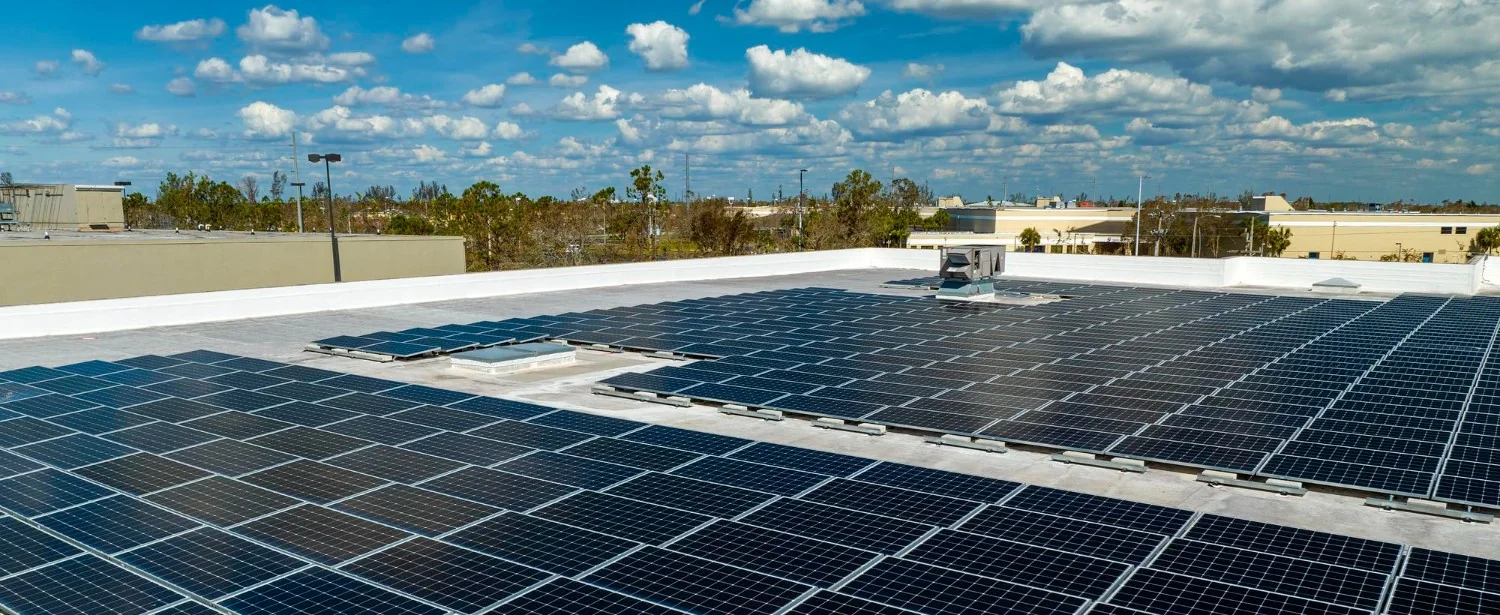
<ul><li><i>India’s rooftop solar capacity reached 30.7 GW in July 2026, increasing the need for better grid management and flexibility.</i></li><li><i>Kerala and Maharashtra are exploring battery ener…

• 𝘛𝘩𝘦 𝘌𝘐𝘉 𝘎𝘳𝘰𝘶𝘱 𝘱𝘭𝘢𝘯𝘴 𝘵𝘰 𝘱𝘳𝘰𝘷𝘪𝘥𝘦 𝘢𝘵 𝘭𝘦𝘢𝘴𝘵 €30 𝘣𝘪𝘭𝘭𝘪𝘰𝘯 𝘧𝘰𝘳 𝘤𝘭𝘪𝘮𝘢𝘵𝘦 𝘢𝘥𝘢𝘱𝘵𝘢𝘵𝘪𝘰𝘯 𝘣𝘦𝘵𝘸𝘦𝘦𝘯 2026 𝘢𝘯𝘥 2030. • 𝘛𝘩𝘦 𝘯𝘦𝘸 𝘵𝘢𝘳𝘨𝘦𝘵 𝘥𝘰𝘶𝘣𝘭𝘦𝘴 𝘢𝘥𝘢𝘱𝘵𝘢𝘵𝘪𝘰𝘯 𝘧𝘪𝘯𝘢𝘯𝘤𝘪𝘯𝘨 𝘤𝘰𝘮𝘱𝘢𝘳𝘦𝘥 𝘸𝘪𝘵𝘩 𝘵𝘩𝘦 𝘱𝘳𝘦𝘷𝘪𝘰𝘶𝘴 𝘧𝘪𝘷𝘦-𝘺𝘦𝘢𝘳 𝘱𝘦𝘳𝘪𝘰𝘥. • 𝘍𝘶𝘯𝘥𝘪𝘯𝘨…