

07 January 2026
The National Farmers’ Federation (NFF), representing agricultural producers across Australia, renewed its call for policymakers to prioritise the development of a sustainable agricultural workforce as part of national economic and rural policy discussions. The federation emphasised that ensuring a reliable pipeline of skilled and semi‑skilled workers is essential for long‑term food production, regional community viability and the resilience of Australia’s farm sector.
In a submission to the Value of Skilled Migration to Australia Inquiry, the NFF highlighted that while skilled migrants contribute to the agricultural workforce, the sector continues to face acute shortages in unskilled and semi‑skilled roles that are vital during peak production periods such as harvesting and processing. These roles are critical to maintaining productivity and ensuring that domestic production can meet supply demands without resorting excessively to temporary labour schemes.
NFF leadership argued that addressing workforce sustainability requires policy frameworks that support regional liveability and long‑term labour retention, including access to training programs, better regional infrastructure and pathways for career progression in agricultural roles. Industry representatives also noted that failing to address labour shortages could further weaken rural economies at a time when global demand for food and fibre remains strong.
The federation’s advocacy points to broader debates within Australian labour and migration policy about how to balance economic needs with demographic and regional development goals. Ensuring a sustainable agricultural workforce aligns with national climate and sustainability objectives by supporting resilient food systems, promoting local food production and reducing reliance on seasonal or international labour under fluctuating global conditions.
Agricultural-workforce sustainability is a real Social-pillar disclosure issue in a way that headline-level analyses often miss, and it directly affects how agri-food corporates position sourcing and community-partnership narratives. Our supply-chain-and-operations and impact-assessment teams help clients evaluate what workforce-linked exposure means for CSRD, TNFD and Scope 3 disclosure.

• 𝘛𝘩𝘦 𝘜𝘈𝘌 𝘍𝘰𝘰𝘥 𝘉𝘢𝘯𝘬 𝘢𝘯𝘥 𝘋𝘶𝘣𝘢𝘪’𝘴 𝘊𝘰𝘮𝘮𝘶𝘯𝘪𝘵𝘺 𝘋𝘦𝘷𝘦𝘭𝘰𝘱𝘮𝘦𝘯𝘵 𝘈𝘶𝘵𝘩𝘰𝘳𝘪𝘵𝘺 (𝘊𝘋𝘈) 𝘩𝘢𝘷𝘦 𝘴𝘪𝘨𝘯𝘦𝘥 𝘢𝘯 𝘢𝘨𝘳𝘦𝘦𝘮𝘦𝘯𝘵 𝘵𝘰 𝘤𝘰𝘭𝘭𝘦𝘤𝘵 𝘢𝘯𝘥 𝘳𝘦𝘥𝘪𝘴𝘵𝘳𝘪𝘣𝘶𝘵𝘦 𝘴𝘶𝘳𝘱𝘭𝘶𝘴 𝘧𝘰𝘰𝘥 𝘧𝘳𝘰𝘮 𝘸𝘦𝘥𝘥𝘪𝘯𝘨𝘴 𝘢𝘯𝘥 𝘦𝘷𝘦𝘯𝘵𝘴. • 𝘛𝘩𝘦 𝘪𝘯𝘪𝘵𝘪𝘢𝘵𝘪𝘷𝘦 𝘸𝘪𝘭𝘭 𝘧𝘰𝘭𝘭𝘰𝘸 𝘢𝘱𝘱𝘳𝘰𝘷𝘦𝘥…
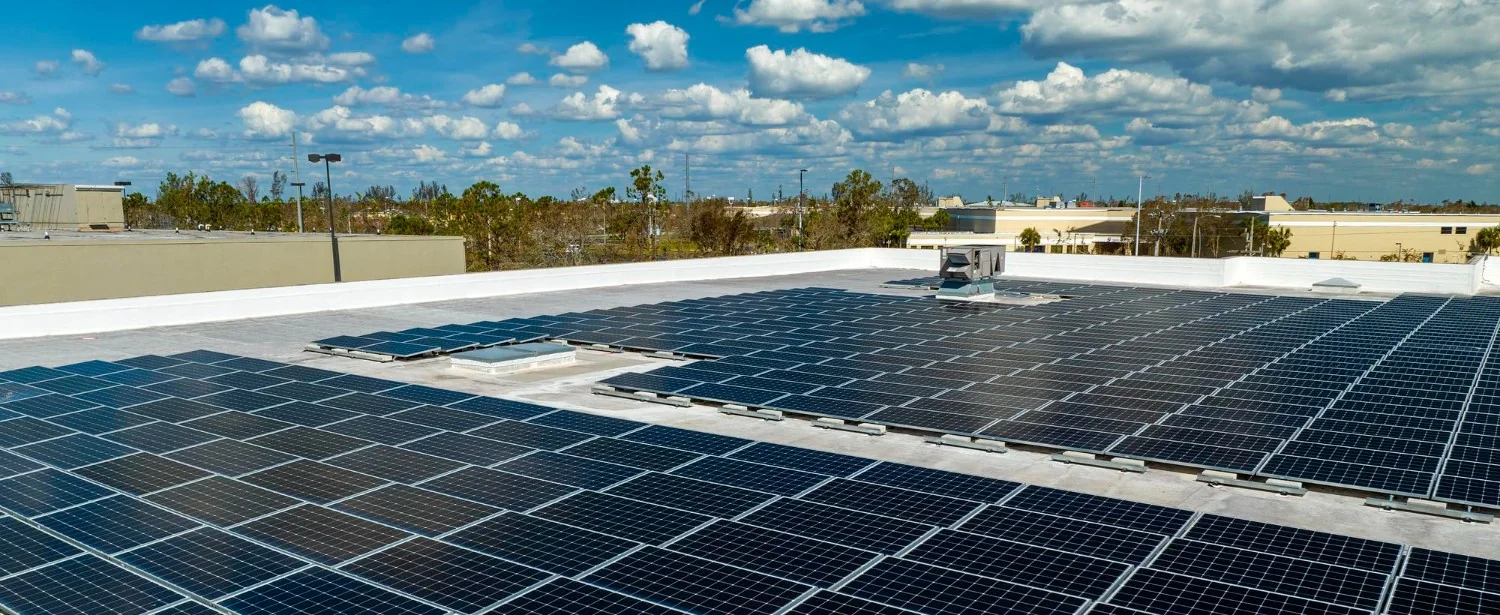
<ul><li><i>India’s rooftop solar capacity reached 30.7 GW in July 2026, increasing the need for better grid management and flexibility.</i></li><li><i>Kerala and Maharashtra are exploring battery ener…

• 𝘛𝘩𝘦 𝘌𝘐𝘉 𝘎𝘳𝘰𝘶𝘱 𝘱𝘭𝘢𝘯𝘴 𝘵𝘰 𝘱𝘳𝘰𝘷𝘪𝘥𝘦 𝘢𝘵 𝘭𝘦𝘢𝘴𝘵 €30 𝘣𝘪𝘭𝘭𝘪𝘰𝘯 𝘧𝘰𝘳 𝘤𝘭𝘪𝘮𝘢𝘵𝘦 𝘢𝘥𝘢𝘱𝘵𝘢𝘵𝘪𝘰𝘯 𝘣𝘦𝘵𝘸𝘦𝘦𝘯 2026 𝘢𝘯𝘥 2030. • 𝘛𝘩𝘦 𝘯𝘦𝘸 𝘵𝘢𝘳𝘨𝘦𝘵 𝘥𝘰𝘶𝘣𝘭𝘦𝘴 𝘢𝘥𝘢𝘱𝘵𝘢𝘵𝘪𝘰𝘯 𝘧𝘪𝘯𝘢𝘯𝘤𝘪𝘯𝘨 𝘤𝘰𝘮𝘱𝘢𝘳𝘦𝘥 𝘸𝘪𝘵𝘩 𝘵𝘩𝘦 𝘱𝘳𝘦𝘷𝘪𝘰𝘶𝘴 𝘧𝘪𝘷𝘦-𝘺𝘦𝘢𝘳 𝘱𝘦𝘳𝘪𝘰𝘥. • 𝘍𝘶𝘯𝘥𝘪𝘯𝘨…