


23 September 2025
Engineers in Australia have unveiled an innovative building material, termed cardboard-confined rammed earth, comprised solely of cardboard, soil, and water. This new material eliminates the need for cement, reducing emissions to about one quarter of those from traditional concrete, while costing under a third as much.
The method works by compacting a soil-and-water mixture inside cardboard formwork, which can be produced on site and reused or recycled. Because heavy transport of conventional building materials is reduced, the approach is especially promising for remote or resource-limited regions.
In related experiments, the researchers combined carbon fibre with rammed earth and achieved strength comparable to high-performance concrete. The design also leverages the thermal mass of earth materials, naturally regulating indoor temperature and humidity-particularly suitable in hot climates.
Cement and concrete account for roughly seven to eight percent of global CO2 emissions, driven by the calcination chemistry of cement production and the sheer scale of built-environment construction. Alternative materials that can reduce embodied carbon at meaningful cost parity - as cardboard-confined rammed earth appears to - matter more strategically than their apparent simplicity suggests.
The design also embeds circular-economy principles: cardboard formwork can be produced on-site, reused across pours, or recycled at end of life. Combined with the earth's natural thermal-mass performance, the material offers a plausible pathway for lower-carbon construction in hot, remote or resource-constrained contexts - geographies where conventional concrete supply chains are both carbon-intensive and logistically costly.
For real estate, infrastructure and construction clients working toward Scope 3 or embodied-carbon commitments, Cognitud's circular economy and climate action teams help assess alternative-material portfolios, model embodied-carbon savings against LCA-based benchmarks, and structure procurement standards that give suppliers a clear commercial pathway to lower-carbon construction - moving embodied carbon from a reporting metric to an active procurement lever.

• 𝘛𝘩𝘦 𝘜𝘈𝘌 𝘍𝘰𝘰𝘥 𝘉𝘢𝘯𝘬 𝘢𝘯𝘥 𝘋𝘶𝘣𝘢𝘪’𝘴 𝘊𝘰𝘮𝘮𝘶𝘯𝘪𝘵𝘺 𝘋𝘦𝘷𝘦𝘭𝘰𝘱𝘮𝘦𝘯𝘵 𝘈𝘶𝘵𝘩𝘰𝘳𝘪𝘵𝘺 (𝘊𝘋𝘈) 𝘩𝘢𝘷𝘦 𝘴𝘪𝘨𝘯𝘦𝘥 𝘢𝘯 𝘢𝘨𝘳𝘦𝘦𝘮𝘦𝘯𝘵 𝘵𝘰 𝘤𝘰𝘭𝘭𝘦𝘤𝘵 𝘢𝘯𝘥 𝘳𝘦𝘥𝘪𝘴𝘵𝘳𝘪𝘣𝘶𝘵𝘦 𝘴𝘶𝘳𝘱𝘭𝘶𝘴 𝘧𝘰𝘰𝘥 𝘧𝘳𝘰𝘮 𝘸𝘦𝘥𝘥𝘪𝘯𝘨𝘴 𝘢𝘯𝘥 𝘦𝘷𝘦𝘯𝘵𝘴. • 𝘛𝘩𝘦 𝘪𝘯𝘪𝘵𝘪𝘢𝘵𝘪𝘷𝘦 𝘸𝘪𝘭𝘭 𝘧𝘰𝘭𝘭𝘰𝘸 𝘢𝘱𝘱𝘳𝘰𝘷𝘦𝘥…
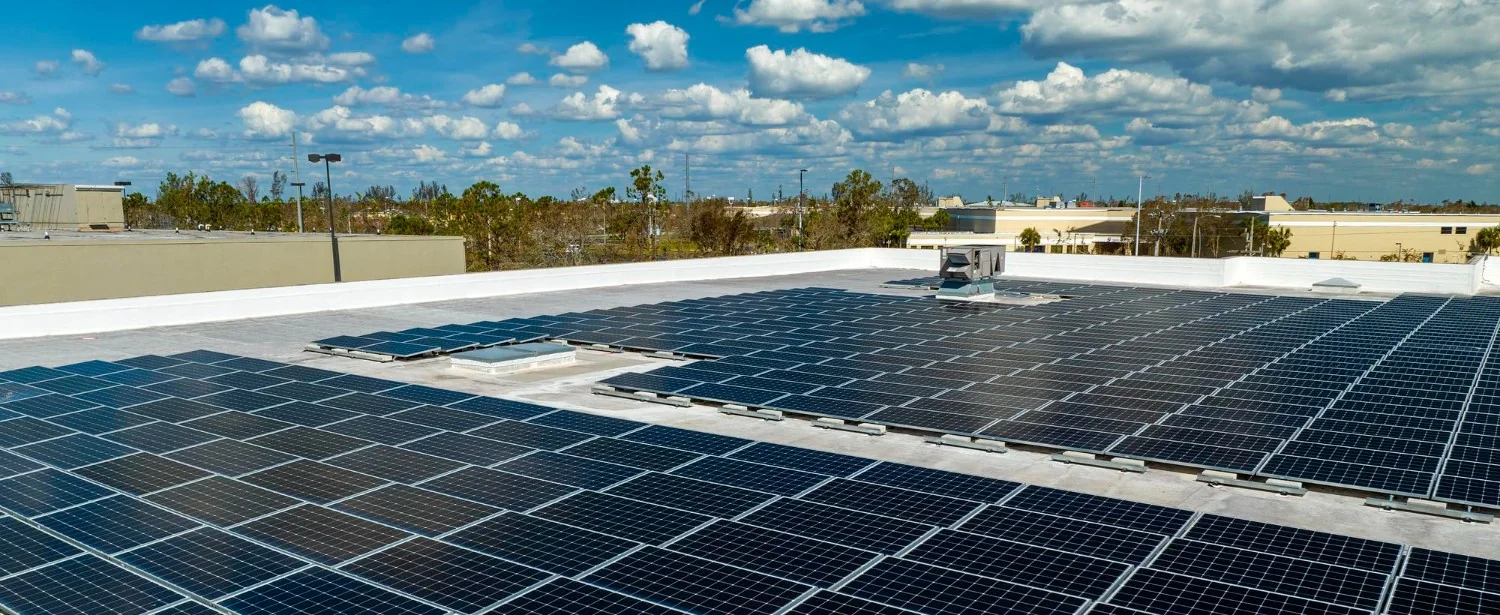
<ul><li><i>India’s rooftop solar capacity reached 30.7 GW in July 2026, increasing the need for better grid management and flexibility.</i></li><li><i>Kerala and Maharashtra are exploring battery ener…

• 𝘛𝘩𝘦 𝘌𝘐𝘉 𝘎𝘳𝘰𝘶𝘱 𝘱𝘭𝘢𝘯𝘴 𝘵𝘰 𝘱𝘳𝘰𝘷𝘪𝘥𝘦 𝘢𝘵 𝘭𝘦𝘢𝘴𝘵 €30 𝘣𝘪𝘭𝘭𝘪𝘰𝘯 𝘧𝘰𝘳 𝘤𝘭𝘪𝘮𝘢𝘵𝘦 𝘢𝘥𝘢𝘱𝘵𝘢𝘵𝘪𝘰𝘯 𝘣𝘦𝘵𝘸𝘦𝘦𝘯 2026 𝘢𝘯𝘥 2030. • 𝘛𝘩𝘦 𝘯𝘦𝘸 𝘵𝘢𝘳𝘨𝘦𝘵 𝘥𝘰𝘶𝘣𝘭𝘦𝘴 𝘢𝘥𝘢𝘱𝘵𝘢𝘵𝘪𝘰𝘯 𝘧𝘪𝘯𝘢𝘯𝘤𝘪𝘯𝘨 𝘤𝘰𝘮𝘱𝘢𝘳𝘦𝘥 𝘸𝘪𝘵𝘩 𝘵𝘩𝘦 𝘱𝘳𝘦𝘷𝘪𝘰𝘶𝘴 𝘧𝘪𝘷𝘦-𝘺𝘦𝘢𝘳 𝘱𝘦𝘳𝘪𝘰𝘥. • 𝘍𝘶𝘯𝘥𝘪𝘯𝘨…