


18 September 2025
Australia has committed A$1.1 billion (about US$735 million) over the next decade to develop a low-carbon fuels industry, with funds earmarked beginning in 2028. The initiative aims to nurture private investment in biofuels such as biodiesel and sustainable aviation fuel.
The deal has been welcomed by farm groups in Australia, which anticipate increased demand for feedstocks like canola, sugarcane, sorghum, and tallow-many of which are currently exported rather than used domestically. The government wants eligible projects to be producing fuel by 2029.
Australia positions this strategy as a “win-win-win,” saying it will generate regional jobs, raise farm incomes, and lower emissions. It also aligns with its broader net-zero by 2050 target, helping reduce reliance on imported fuels and boosting domestic low-carbon fuel production.
The A$1.1 billion commitment positions Australia to become a regional supplier of biodiesel and sustainable aviation fuel at a moment when demand from the Asia-Pacific - particularly airlines in Singapore, Japan and South Korea - is expected to outstrip regional supply. Redirecting feedstocks such as canola, sugarcane, sorghum and tallow into domestic biofuel production also reduces exposure to volatile commodity export markets.
The "win-win-win" framing captures the political appeal, but the delivery challenge is significant. Standing up multiple biofuel plants by 2029 requires feedstock aggregation, offtake certainty, technology partnerships, and land-use governance that avoids inadvertently pushing crops into new geographies. Getting the ESG framing right at the outset will determine whether the industry attracts international capital and long-term offtake commitments.
For agribusinesses, fuel producers and financiers evaluating the opportunity, Cognitud's impact assessment, circular economy and sustainability due diligence teams support end-to-end lifecycle assessments, land-use and water footprint analysis, and disclosure frameworks aligned with EU RED III, CORSIA and other international sustainability standards that increasingly govern the market for low-carbon fuels.

• 𝘛𝘩𝘦 𝘜𝘈𝘌 𝘍𝘰𝘰𝘥 𝘉𝘢𝘯𝘬 𝘢𝘯𝘥 𝘋𝘶𝘣𝘢𝘪’𝘴 𝘊𝘰𝘮𝘮𝘶𝘯𝘪𝘵𝘺 𝘋𝘦𝘷𝘦𝘭𝘰𝘱𝘮𝘦𝘯𝘵 𝘈𝘶𝘵𝘩𝘰𝘳𝘪𝘵𝘺 (𝘊𝘋𝘈) 𝘩𝘢𝘷𝘦 𝘴𝘪𝘨𝘯𝘦𝘥 𝘢𝘯 𝘢𝘨𝘳𝘦𝘦𝘮𝘦𝘯𝘵 𝘵𝘰 𝘤𝘰𝘭𝘭𝘦𝘤𝘵 𝘢𝘯𝘥 𝘳𝘦𝘥𝘪𝘴𝘵𝘳𝘪𝘣𝘶𝘵𝘦 𝘴𝘶𝘳𝘱𝘭𝘶𝘴 𝘧𝘰𝘰𝘥 𝘧𝘳𝘰𝘮 𝘸𝘦𝘥𝘥𝘪𝘯𝘨𝘴 𝘢𝘯𝘥 𝘦𝘷𝘦𝘯𝘵𝘴. • 𝘛𝘩𝘦 𝘪𝘯𝘪𝘵𝘪𝘢𝘵𝘪𝘷𝘦 𝘸𝘪𝘭𝘭 𝘧𝘰𝘭𝘭𝘰𝘸 𝘢𝘱𝘱𝘳𝘰𝘷𝘦𝘥…
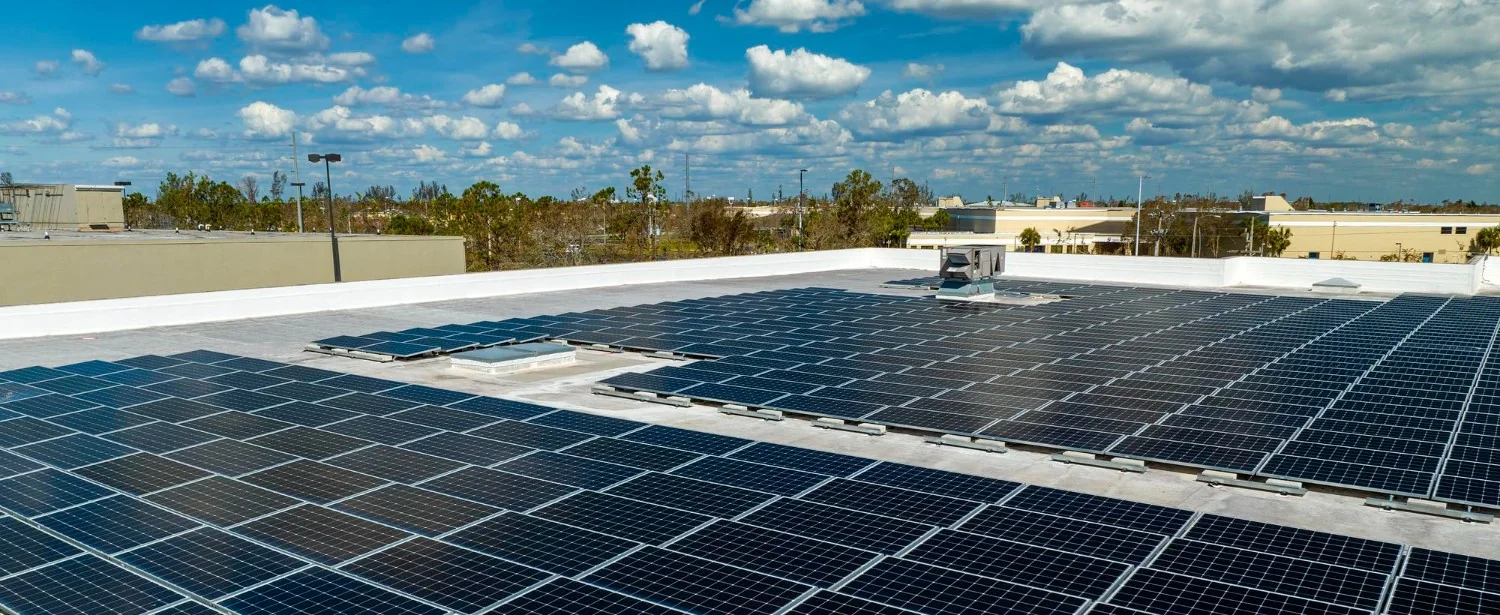
<ul><li><i>India’s rooftop solar capacity reached 30.7 GW in July 2026, increasing the need for better grid management and flexibility.</i></li><li><i>Kerala and Maharashtra are exploring battery ener…

• 𝘛𝘩𝘦 𝘌𝘐𝘉 𝘎𝘳𝘰𝘶𝘱 𝘱𝘭𝘢𝘯𝘴 𝘵𝘰 𝘱𝘳𝘰𝘷𝘪𝘥𝘦 𝘢𝘵 𝘭𝘦𝘢𝘴𝘵 €30 𝘣𝘪𝘭𝘭𝘪𝘰𝘯 𝘧𝘰𝘳 𝘤𝘭𝘪𝘮𝘢𝘵𝘦 𝘢𝘥𝘢𝘱𝘵𝘢𝘵𝘪𝘰𝘯 𝘣𝘦𝘵𝘸𝘦𝘦𝘯 2026 𝘢𝘯𝘥 2030. • 𝘛𝘩𝘦 𝘯𝘦𝘸 𝘵𝘢𝘳𝘨𝘦𝘵 𝘥𝘰𝘶𝘣𝘭𝘦𝘴 𝘢𝘥𝘢𝘱𝘵𝘢𝘵𝘪𝘰𝘯 𝘧𝘪𝘯𝘢𝘯𝘤𝘪𝘯𝘨 𝘤𝘰𝘮𝘱𝘢𝘳𝘦𝘥 𝘸𝘪𝘵𝘩 𝘵𝘩𝘦 𝘱𝘳𝘦𝘷𝘪𝘰𝘶𝘴 𝘧𝘪𝘷𝘦-𝘺𝘦𝘢𝘳 𝘱𝘦𝘳𝘪𝘰𝘥. • 𝘍𝘶𝘯𝘥𝘪𝘯𝘨…