

08 June 2026
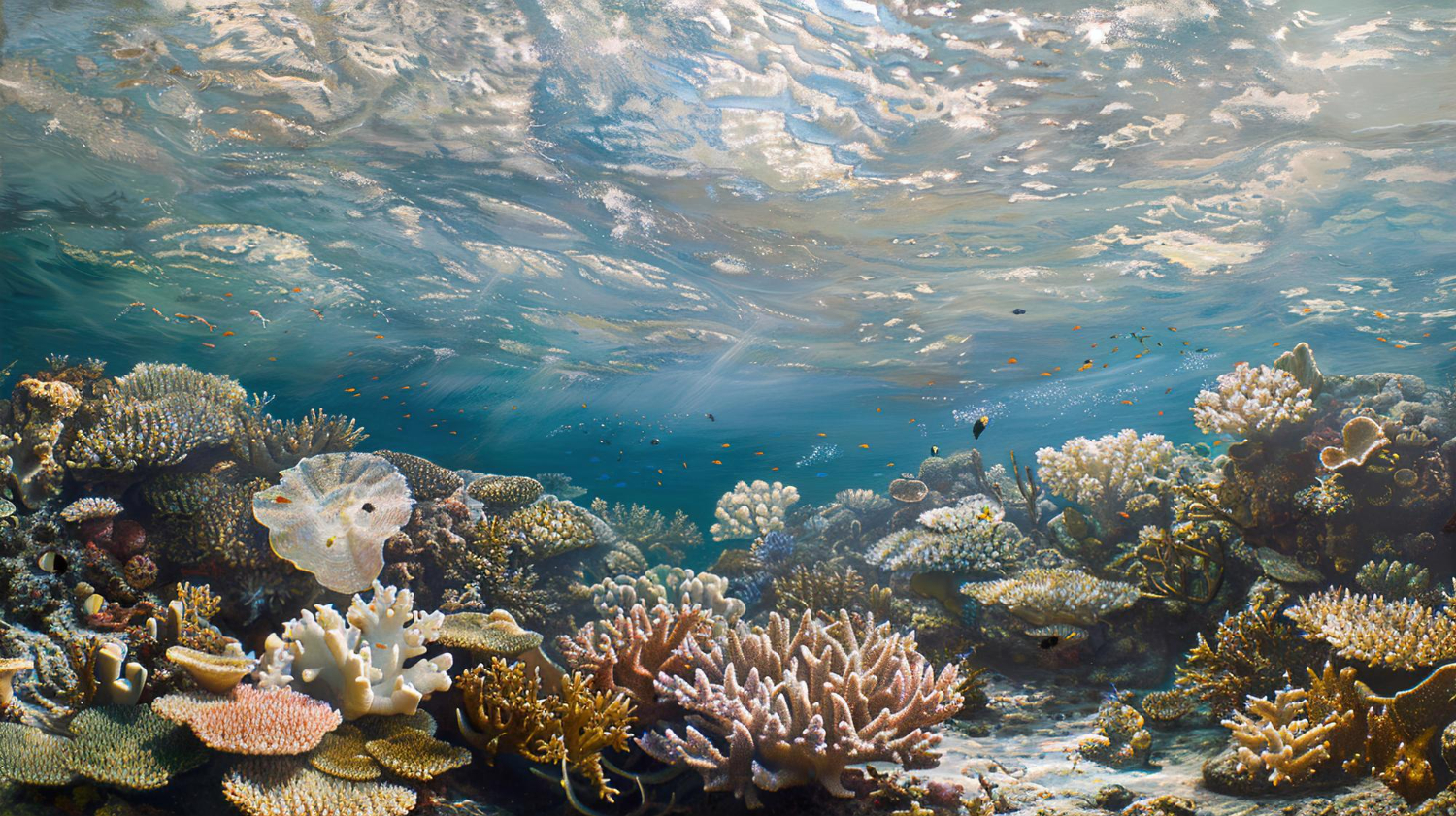
The Australian government has highlighted A$85 million in ocean conservation funding on World Oceans Day, outlining investments aimed at strengthening marine protection and supporting biodiversity conservation across the country's ocean ecosystems.
The funding supports a range of initiatives, including marine habitat restoration, scientific research, species protection and improved management of marine environments. The government said these measures are intended to help protect ocean ecosystems while supporting long-term conservation objectives.
Australia has also reaffirmed its commitment to protecting 30% of its marine estate by 2030 as part of global biodiversity efforts. The target forms part of broader initiatives to expand marine conservation and improve the management of protected ocean areas.
The announcement drew responses from conservation organisations, which welcomed continued investment in ocean protection but called for faster progress and stronger measures to address ongoing threats to marine ecosystems and meet national conservation commitments.
The A$85 million commitment sits within a broader global push toward the "30 by 30" target - protecting 30 percent of land and ocean by 2030 - agreed under the Kunming–Montreal Global Biodiversity Framework. Marine protected areas need funding not just for designation but for effective management, monitoring and enforcement, and Australia's investment appears designed to strengthen the delivery infrastructure rather than simply expand notional coverage.
Ocean conservation is also increasingly tied to blue-economy financing, with insurers, sovereign wealth funds and impact investors developing products that reward measurable improvements in marine health. Verified reductions in fisheries-related bycatch, restored coastal habitats and improved coral resilience are becoming credible investable outcomes rather than purely philanthropic ones.
For corporates in marine-adjacent sectors - shipping, seafood, coastal tourism, offshore energy - Cognitud's nature-based solutions, impact assessment and sustainability due diligence teams help clients evaluate ocean-linked investments, structure supplier engagement programmes, and disclose progress against TNFD, SBTN and ISSB frameworks that increasingly require quantified nature-related risk and dependency assessments.

• 𝘛𝘩𝘦 𝘜𝘈𝘌 𝘍𝘰𝘰𝘥 𝘉𝘢𝘯𝘬 𝘢𝘯𝘥 𝘋𝘶𝘣𝘢𝘪’𝘴 𝘊𝘰𝘮𝘮𝘶𝘯𝘪𝘵𝘺 𝘋𝘦𝘷𝘦𝘭𝘰𝘱𝘮𝘦𝘯𝘵 𝘈𝘶𝘵𝘩𝘰𝘳𝘪𝘵𝘺 (𝘊𝘋𝘈) 𝘩𝘢𝘷𝘦 𝘴𝘪𝘨𝘯𝘦𝘥 𝘢𝘯 𝘢𝘨𝘳𝘦𝘦𝘮𝘦𝘯𝘵 𝘵𝘰 𝘤𝘰𝘭𝘭𝘦𝘤𝘵 𝘢𝘯𝘥 𝘳𝘦𝘥𝘪𝘴𝘵𝘳𝘪𝘣𝘶𝘵𝘦 𝘴𝘶𝘳𝘱𝘭𝘶𝘴 𝘧𝘰𝘰𝘥 𝘧𝘳𝘰𝘮 𝘸𝘦𝘥𝘥𝘪𝘯𝘨𝘴 𝘢𝘯𝘥 𝘦𝘷𝘦𝘯𝘵𝘴. • 𝘛𝘩𝘦 𝘪𝘯𝘪𝘵𝘪𝘢𝘵𝘪𝘷𝘦 𝘸𝘪𝘭𝘭 𝘧𝘰𝘭𝘭𝘰𝘸 𝘢𝘱𝘱𝘳𝘰𝘷𝘦𝘥…

<ul><li><i>India’s rooftop solar capacity reached 30.7 GW in July 2026, increasing the need for better grid management and flexibility.</i></li><li><i>Kerala and Maharashtra are exploring battery ener…

• 𝘛𝘩𝘦 𝘌𝘐𝘉 𝘎𝘳𝘰𝘶𝘱 𝘱𝘭𝘢𝘯𝘴 𝘵𝘰 𝘱𝘳𝘰𝘷𝘪𝘥𝘦 𝘢𝘵 𝘭𝘦𝘢𝘴𝘵 €30 𝘣𝘪𝘭𝘭𝘪𝘰𝘯 𝘧𝘰𝘳 𝘤𝘭𝘪𝘮𝘢𝘵𝘦 𝘢𝘥𝘢𝘱𝘵𝘢𝘵𝘪𝘰𝘯 𝘣𝘦𝘵𝘸𝘦𝘦𝘯 2026 𝘢𝘯𝘥 2030. • 𝘛𝘩𝘦 𝘯𝘦𝘸 𝘵𝘢𝘳𝘨𝘦𝘵 𝘥𝘰𝘶𝘣𝘭𝘦𝘴 𝘢𝘥𝘢𝘱𝘵𝘢𝘵𝘪𝘰𝘯 𝘧𝘪𝘯𝘢𝘯𝘤𝘪𝘯𝘨 𝘤𝘰𝘮𝘱𝘢𝘳𝘦𝘥 𝘸𝘪𝘵𝘩 𝘵𝘩𝘦 𝘱𝘳𝘦𝘷𝘪𝘰𝘶𝘴 𝘧𝘪𝘷𝘦-𝘺𝘦𝘢𝘳 𝘱𝘦𝘳𝘪𝘰𝘥. • 𝘍𝘶𝘯𝘥𝘪𝘯𝘨…