


14 July 2025
The Australian Competition and Consumer Commission (ACCC) has granted conditional authorisation for the Australian Sustainable Finance Institute (ASFI) and its partners to collaborate on sustainable finance initiatives over the next five years. This approval enables ASFI, its members, and other financial market participants to jointly develop investment structures, integrate natural capital data into financial decision-making, and propose regulatory reforms that support sustainability goals.
The collaboration is designed to yield a range of public benefits, including more efficient financial processes, lower transaction costs, and greater investment in projects with positive environmental and social outcomes. Key focus areas include supporting sustainable agricultural practices, helping producers meet sustainability-linked export requirements, and contributing to Australia’s national emissions reduction targets.
To mitigate risks associated with coordinated industry activity, the ACCC has imposed five conditions on the authorisation. These conditions are aimed at preventing anti-competitive behaviour and ensuring that competition in the sustainable finance sector is not diminished by increased information sharing. The regulator stated that these safeguards strike a balance between promoting sustainability and preserving market integrity.
In parallel, the ACCC released a new guide to help businesses navigate sustainability collaborations within the bounds of competition law. Emphasizing that competition law should not hinder environmental progress, the ACCC highlighted that many cooperative sustainability efforts are both legal and beneficial. This decision reflects a growing recognition of the private sector’s role in driving climate action while operating within fair market frameworks.
Five years of authorised collaboration space is what actually lets Australian issuers and banks co-design green-bond, transition-finance and sustainability-linked instruments without competition-law friction pulling them apart. Our responsible-investment and ESG-strategy teams help clients evaluate what that expanded runway means for product design and disclosure positioning.

• 𝘛𝘩𝘦 𝘜𝘈𝘌 𝘍𝘰𝘰𝘥 𝘉𝘢𝘯𝘬 𝘢𝘯𝘥 𝘋𝘶𝘣𝘢𝘪’𝘴 𝘊𝘰𝘮𝘮𝘶𝘯𝘪𝘵𝘺 𝘋𝘦𝘷𝘦𝘭𝘰𝘱𝘮𝘦𝘯𝘵 𝘈𝘶𝘵𝘩𝘰𝘳𝘪𝘵𝘺 (𝘊𝘋𝘈) 𝘩𝘢𝘷𝘦 𝘴𝘪𝘨𝘯𝘦𝘥 𝘢𝘯 𝘢𝘨𝘳𝘦𝘦𝘮𝘦𝘯𝘵 𝘵𝘰 𝘤𝘰𝘭𝘭𝘦𝘤𝘵 𝘢𝘯𝘥 𝘳𝘦𝘥𝘪𝘴𝘵𝘳𝘪𝘣𝘶𝘵𝘦 𝘴𝘶𝘳𝘱𝘭𝘶𝘴 𝘧𝘰𝘰𝘥 𝘧𝘳𝘰𝘮 𝘸𝘦𝘥𝘥𝘪𝘯𝘨𝘴 𝘢𝘯𝘥 𝘦𝘷𝘦𝘯𝘵𝘴. • 𝘛𝘩𝘦 𝘪𝘯𝘪𝘵𝘪𝘢𝘵𝘪𝘷𝘦 𝘸𝘪𝘭𝘭 𝘧𝘰𝘭𝘭𝘰𝘸 𝘢𝘱𝘱𝘳𝘰𝘷𝘦𝘥…
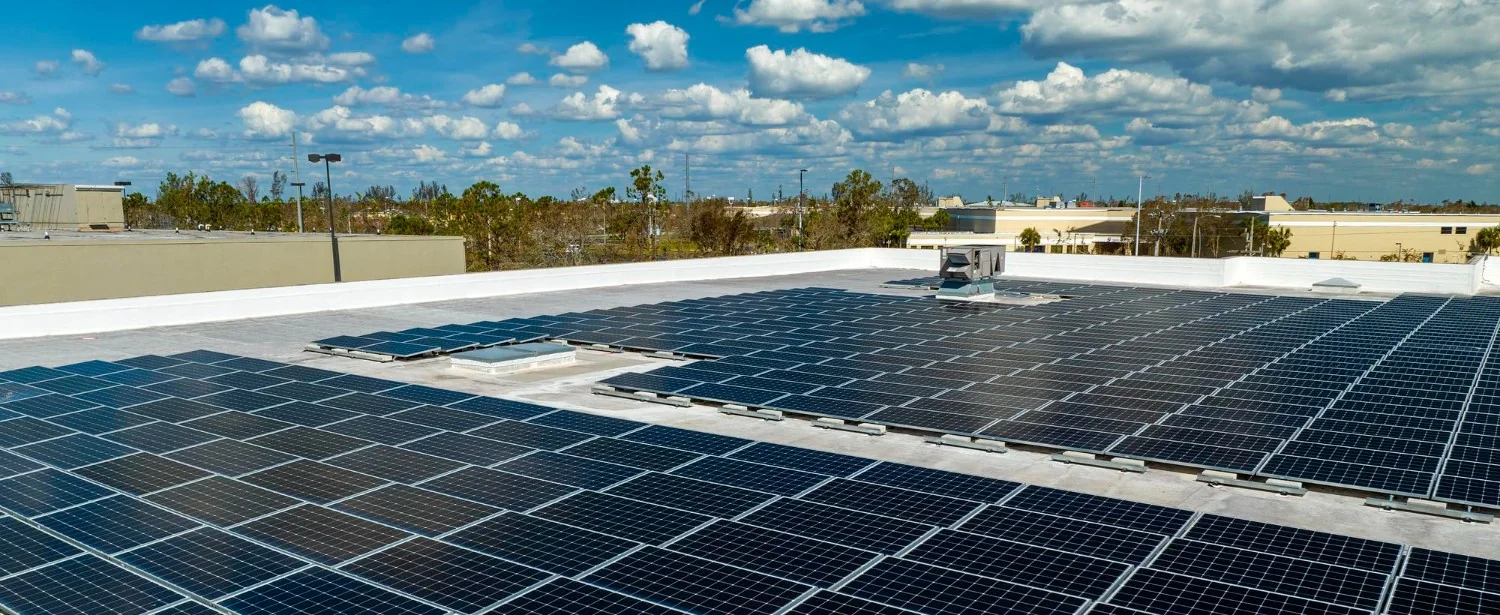
<ul><li><i>India’s rooftop solar capacity reached 30.7 GW in July 2026, increasing the need for better grid management and flexibility.</i></li><li><i>Kerala and Maharashtra are exploring battery ener…

• 𝘛𝘩𝘦 𝘌𝘐𝘉 𝘎𝘳𝘰𝘶𝘱 𝘱𝘭𝘢𝘯𝘴 𝘵𝘰 𝘱𝘳𝘰𝘷𝘪𝘥𝘦 𝘢𝘵 𝘭𝘦𝘢𝘴𝘵 €30 𝘣𝘪𝘭𝘭𝘪𝘰𝘯 𝘧𝘰𝘳 𝘤𝘭𝘪𝘮𝘢𝘵𝘦 𝘢𝘥𝘢𝘱𝘵𝘢𝘵𝘪𝘰𝘯 𝘣𝘦𝘵𝘸𝘦𝘦𝘯 2026 𝘢𝘯𝘥 2030. • 𝘛𝘩𝘦 𝘯𝘦𝘸 𝘵𝘢𝘳𝘨𝘦𝘵 𝘥𝘰𝘶𝘣𝘭𝘦𝘴 𝘢𝘥𝘢𝘱𝘵𝘢𝘵𝘪𝘰𝘯 𝘧𝘪𝘯𝘢𝘯𝘤𝘪𝘯𝘨 𝘤𝘰𝘮𝘱𝘢𝘳𝘦𝘥 𝘸𝘪𝘵𝘩 𝘵𝘩𝘦 𝘱𝘳𝘦𝘷𝘪𝘰𝘶𝘴 𝘧𝘪𝘷𝘦-𝘺𝘦𝘢𝘳 𝘱𝘦𝘳𝘪𝘰𝘥. • 𝘍𝘶𝘯𝘥𝘪𝘯𝘨…