


Australia’s 2035 Climate Target Sparks Backlash
19 September 2025
Australia has unveiled its 2035 emissions reduction target-aiming for a 62% to 70% cut from 2005 levels-but the announcement has sparked widespread criticism for falling short of scientific and regional expectations.
The target is notably lower than the 65%-75% range previously modelled by the Treasury and recommended by the independent Climate Change Authority.
Climate Change Minister Chris Bowen defended the decision, saying it balances ambition with realism, but critics argue it reflects a cautious approach that prioritises political and industrial considerations over environmental urgency.
Environmental groups, including Greenpeace and WWF-Australia, have condemned the target as lacking ambition and failing vulnerable communities already impacted by climate change, particularly across the Pacific. Australia remains one of the world’s highest per-capita polluters, driven largely by its coal and gas sectors.
The government's support for extending major gas projects, coupled with its reluctance to commit to phasing out ageing coal power plants, has deepened concern among both environmentalists and industry leaders. They warn that without clear timelines for coal closures, investment in renewables will continue to be hampered.
Despite committing over A$7 billion in funding for clean energy and industrial decarbonisation, experts argue that these financial pledges must be backed by stronger policy action.
The mixed messaging-clean energy investments on one hand and fossil fuel extensions on the other-is seen as sending the wrong signals to both the market and the international community. As Canberra positions itself to co-host the COP31 summit with Pacific nations, its credibility as a climate leader is being called into question.
Prime Minister Anthony Albanese insists that Australia’s efforts align with global partners and are meaningful in shaping the country's environmental and economic future. However, with the COP30 summit approaching, pressure is mounting for Australia to revise its climate stance and demonstrate that it can meet the moment with policies that reflect the scale of the crisis.
Sovereign-level pledge critique reliably reshapes how institutional investors and rating agencies evaluate Australian corporate climate exposure - and it pressures corporates to compensate for what national ambition doesn't cover. Our climate-action and ESG-strategy teams help clients build transition-plan narratives that stay defensible even when national pledges come under scrutiny.

• 𝘛𝘩𝘦 𝘜𝘈𝘌 𝘍𝘰𝘰𝘥 𝘉𝘢𝘯𝘬 𝘢𝘯𝘥 𝘋𝘶𝘣𝘢𝘪’𝘴 𝘊𝘰𝘮𝘮𝘶𝘯𝘪𝘵𝘺 𝘋𝘦𝘷𝘦𝘭𝘰𝘱𝘮𝘦𝘯𝘵 𝘈𝘶𝘵𝘩𝘰𝘳𝘪𝘵𝘺 (𝘊𝘋𝘈) 𝘩𝘢𝘷𝘦 𝘴𝘪𝘨𝘯𝘦𝘥 𝘢𝘯 𝘢𝘨𝘳𝘦𝘦𝘮𝘦𝘯𝘵 𝘵𝘰 𝘤𝘰𝘭𝘭𝘦𝘤𝘵 𝘢𝘯𝘥 𝘳𝘦𝘥𝘪𝘴𝘵𝘳𝘪𝘣𝘶𝘵𝘦 𝘴𝘶𝘳𝘱𝘭𝘶𝘴 𝘧𝘰𝘰𝘥 𝘧𝘳𝘰𝘮 𝘸𝘦𝘥𝘥𝘪𝘯𝘨𝘴 𝘢𝘯𝘥 𝘦𝘷𝘦𝘯𝘵𝘴. • 𝘛𝘩𝘦 𝘪𝘯𝘪𝘵𝘪𝘢𝘵𝘪𝘷𝘦 𝘸𝘪𝘭𝘭 𝘧𝘰𝘭𝘭𝘰𝘸 𝘢𝘱𝘱𝘳𝘰𝘷𝘦𝘥…
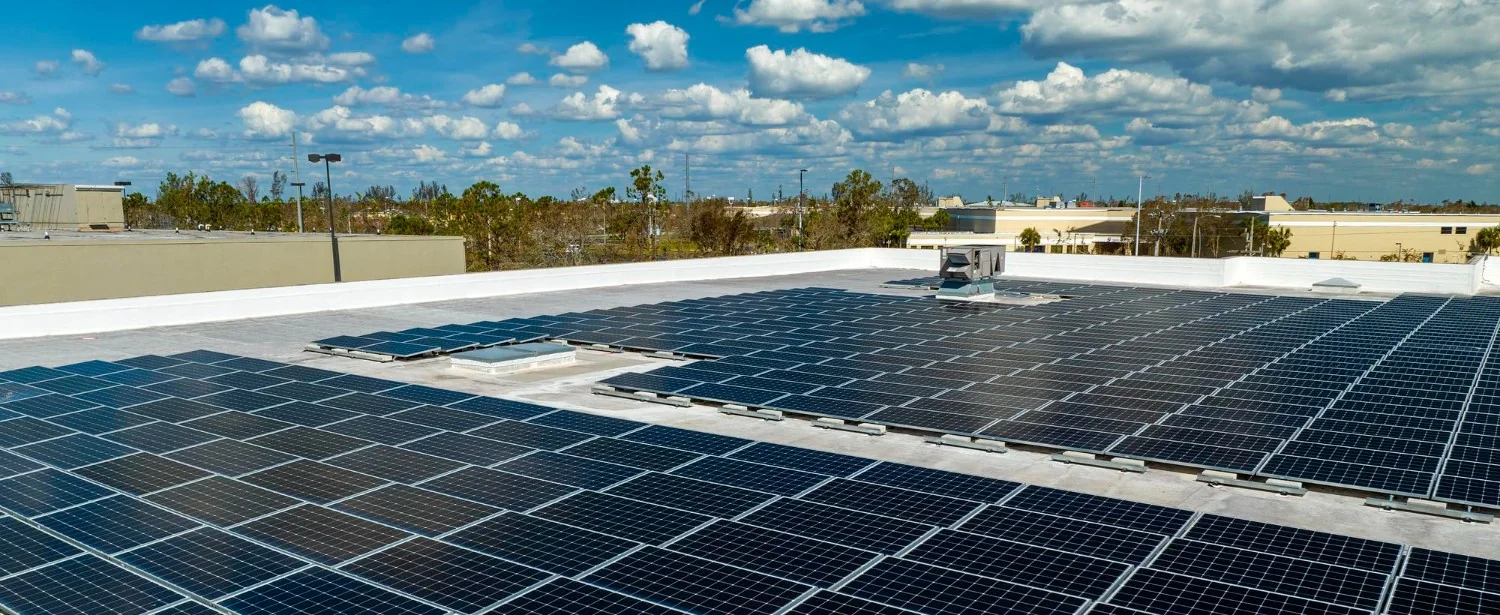
<ul><li><i>India’s rooftop solar capacity reached 30.7 GW in July 2026, increasing the need for better grid management and flexibility.</i></li><li><i>Kerala and Maharashtra are exploring battery ener…

• 𝘛𝘩𝘦 𝘌𝘐𝘉 𝘎𝘳𝘰𝘶𝘱 𝘱𝘭𝘢𝘯𝘴 𝘵𝘰 𝘱𝘳𝘰𝘷𝘪𝘥𝘦 𝘢𝘵 𝘭𝘦𝘢𝘴𝘵 €30 𝘣𝘪𝘭𝘭𝘪𝘰𝘯 𝘧𝘰𝘳 𝘤𝘭𝘪𝘮𝘢𝘵𝘦 𝘢𝘥𝘢𝘱𝘵𝘢𝘵𝘪𝘰𝘯 𝘣𝘦𝘵𝘸𝘦𝘦𝘯 2026 𝘢𝘯𝘥 2030. • 𝘛𝘩𝘦 𝘯𝘦𝘸 𝘵𝘢𝘳𝘨𝘦𝘵 𝘥𝘰𝘶𝘣𝘭𝘦𝘴 𝘢𝘥𝘢𝘱𝘵𝘢𝘵𝘪𝘰𝘯 𝘧𝘪𝘯𝘢𝘯𝘤𝘪𝘯𝘨 𝘤𝘰𝘮𝘱𝘢𝘳𝘦𝘥 𝘸𝘪𝘵𝘩 𝘵𝘩𝘦 𝘱𝘳𝘦𝘷𝘪𝘰𝘶𝘴 𝘧𝘪𝘷𝘦-𝘺𝘦𝘢𝘳 𝘱𝘦𝘳𝘪𝘰𝘥. • 𝘍𝘶𝘯𝘥𝘪𝘯𝘨…