


06 August 2025
Australia’s Great Barrier Reef has experienced its most severe coral decline on record, according to a new report by the Australian Institute of Marine Sciences. The latest findings revealed that two of the reef’s three regions - the northern and southern sections - saw coral cover plummet by 25% to 33% over the past year, marking the largest annual drop since monitoring began in 1986.
This sharp decline followed a mass coral bleaching event during the summer of 2024, which had the largest footprint ever recorded. The bleaching impacted all three reef regions with high to extreme severity, putting significant stress on the reef’s delicate ecosystem. Scientists pointed to a worrying increase in the volatility of coral cover - a trend emerging over the last 15 years due to escalating climate stress.
“The reef is showing signs of greater instability,” said Mike Emslie, head of the long-term monitoring program. “These patterns point to an ecosystem struggling to recover in the face of repeated environmental shocks.” Since 2016, the reef has endured five major bleaching events, with each one amplifying the damage left by the last.
Although UNESCO has not yet listed the reef as “in danger,” it continues to recommend that status. The Australian government has pushed back, mindful of the reef’s A$6.4 billion ($4.2 billion) economic contribution, particularly through tourism. However, as warming seas continue to threaten coral resilience, the future of Australia’s most iconic natural wonder remains uncertain.
Coral loss at this scale is a warning shot for every business with reef-catchment exposure - agriculture, mining, tourism, ports - because TNFD and CSRD are steadily turning nature risk into a disclosable financial issue. Our nature-based-solutions and sustainability-due-diligence teams help clients quantify their reef and marine exposure and build disclosure infrastructure that stands up to the intensifying scrutiny.

• 𝘛𝘩𝘦 𝘜𝘈𝘌 𝘍𝘰𝘰𝘥 𝘉𝘢𝘯𝘬 𝘢𝘯𝘥 𝘋𝘶𝘣𝘢𝘪’𝘴 𝘊𝘰𝘮𝘮𝘶𝘯𝘪𝘵𝘺 𝘋𝘦𝘷𝘦𝘭𝘰𝘱𝘮𝘦𝘯𝘵 𝘈𝘶𝘵𝘩𝘰𝘳𝘪𝘵𝘺 (𝘊𝘋𝘈) 𝘩𝘢𝘷𝘦 𝘴𝘪𝘨𝘯𝘦𝘥 𝘢𝘯 𝘢𝘨𝘳𝘦𝘦𝘮𝘦𝘯𝘵 𝘵𝘰 𝘤𝘰𝘭𝘭𝘦𝘤𝘵 𝘢𝘯𝘥 𝘳𝘦𝘥𝘪𝘴𝘵𝘳𝘪𝘣𝘶𝘵𝘦 𝘴𝘶𝘳𝘱𝘭𝘶𝘴 𝘧𝘰𝘰𝘥 𝘧𝘳𝘰𝘮 𝘸𝘦𝘥𝘥𝘪𝘯𝘨𝘴 𝘢𝘯𝘥 𝘦𝘷𝘦𝘯𝘵𝘴. • 𝘛𝘩𝘦 𝘪𝘯𝘪𝘵𝘪𝘢𝘵𝘪𝘷𝘦 𝘸𝘪𝘭𝘭 𝘧𝘰𝘭𝘭𝘰𝘸 𝘢𝘱𝘱𝘳𝘰𝘷𝘦𝘥…
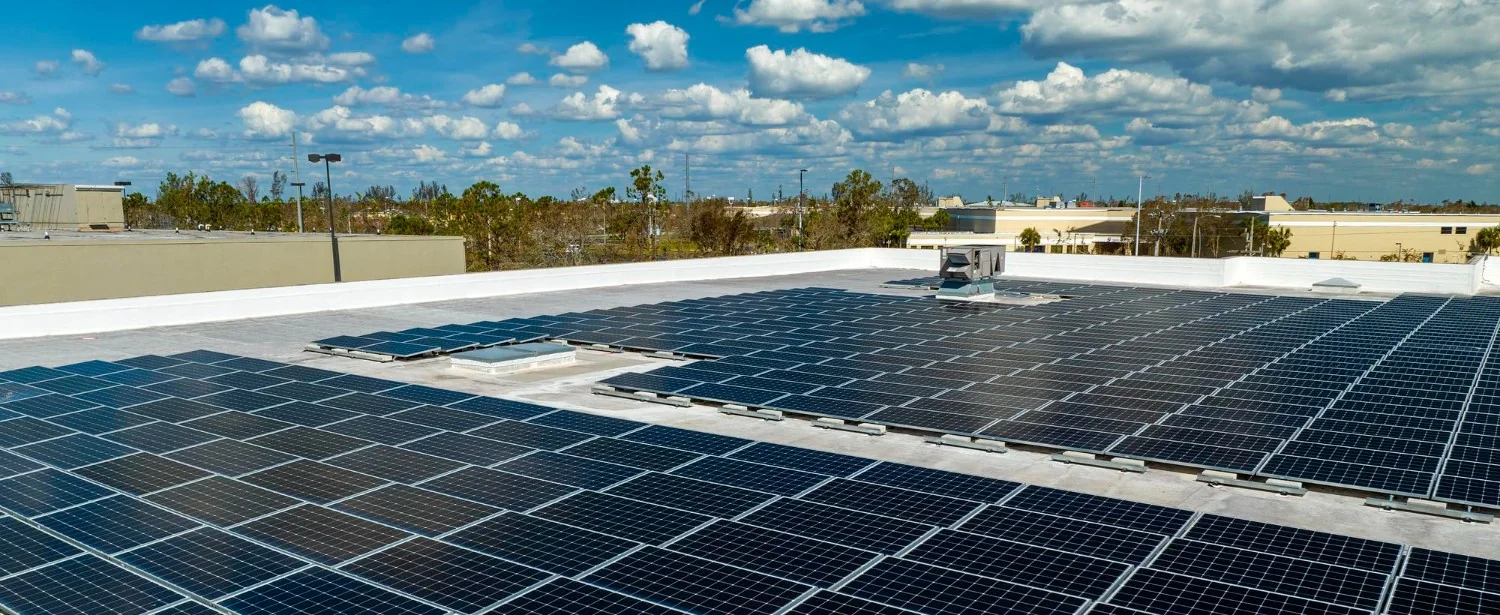
<ul><li><i>India’s rooftop solar capacity reached 30.7 GW in July 2026, increasing the need for better grid management and flexibility.</i></li><li><i>Kerala and Maharashtra are exploring battery ener…

• 𝘛𝘩𝘦 𝘌𝘐𝘉 𝘎𝘳𝘰𝘶𝘱 𝘱𝘭𝘢𝘯𝘴 𝘵𝘰 𝘱𝘳𝘰𝘷𝘪𝘥𝘦 𝘢𝘵 𝘭𝘦𝘢𝘴𝘵 €30 𝘣𝘪𝘭𝘭𝘪𝘰𝘯 𝘧𝘰𝘳 𝘤𝘭𝘪𝘮𝘢𝘵𝘦 𝘢𝘥𝘢𝘱𝘵𝘢𝘵𝘪𝘰𝘯 𝘣𝘦𝘵𝘸𝘦𝘦𝘯 2026 𝘢𝘯𝘥 2030. • 𝘛𝘩𝘦 𝘯𝘦𝘸 𝘵𝘢𝘳𝘨𝘦𝘵 𝘥𝘰𝘶𝘣𝘭𝘦𝘴 𝘢𝘥𝘢𝘱𝘵𝘢𝘵𝘪𝘰𝘯 𝘧𝘪𝘯𝘢𝘯𝘤𝘪𝘯𝘨 𝘤𝘰𝘮𝘱𝘢𝘳𝘦𝘥 𝘸𝘪𝘵𝘩 𝘵𝘩𝘦 𝘱𝘳𝘦𝘷𝘪𝘰𝘶𝘴 𝘧𝘪𝘷𝘦-𝘺𝘦𝘢𝘳 𝘱𝘦𝘳𝘪𝘰𝘥. • 𝘍𝘶𝘯𝘥𝘪𝘯𝘨…