


30 July 2025
Australia has announced an 8 GW expansion to its Capacity Investment Scheme (CIS), increasing the program’s total commitment to 40 GW of clean energy projects.
This move aims to fast-track the deployment of renewable energy and storage infrastructure, including wind, solar, and batteries, as part of the country’s plan to achieve 82% renewable electricity by 2030.
The CIS offers long-term revenue certainty to private investors through a contract-for-difference model, helping unlock large-scale private capital.
The additional 8 GW includes 5 GW of dispatchable capacity and 3 GW of variable renewables. This is expected to support the electricity needs of around one million households and stimulate up to A$21 billion in private investment. The scheme’s oversubscribed tenders indicate growing investor confidence in Australia's energy transition pathway. State and federal governments are jointly running these auctions to enhance reliability while coal plants continue to exit the system.
Despite this policy boost, analysts warn that challenges remain. Transmission delays, planning hurdles, and escalating costs have slowed the rollout of large-scale renewable projects, especially in wind energy. While the CIS expansion is a positive step, industry experts caution that Australia may still fall short of its 2030 clean energy target unless structural bottlenecks are resolved.
8 GW addition to the Capacity Investment Scheme - bringing total to 40 GW combined with 5 GW dispatchable and 3 GW variable renewables - provides substantial revenue certainty for developer investment decisions. Contract-for-difference structures shift merchant-price risk from developers to government, meaningfully improving project financing terms.
The transmission-and-planning bottleneck warning is analytically important. Even with generation-side investment support, delivery to 82 percent renewable electricity by 2030 requires parallel transmission expansion, permitting reforms and cost management. Australia's coal-plant exit timing adds urgency - replacement capacity needs to be in place before retirements occur.
For renewable developers, storage operators, transmission investors and financial institutions supporting Australian energy transition, Cognitud's energy transition, responsible investment and market intelligence teams help clients evaluate CIS-eligible investment opportunities, structure long-term commercial arrangements aligned with expanded scheme scope, and prepare disclosures aligned with CSRD-equivalent, ISSB and Australian sustainable-finance frameworks that increasingly determine access to sustainable-finance.

The fifth day of the 31st UN Climate Change Conference (COP31), held on 13 November 2026 in Antalya, Türkiye, marked a shift from high-level political discussions to negotiations on the decisions need…
The World Leaders' Summit at COP31 wrapped up on 12 November 2026 in Antalya, Türkiye, with a strong focus on financing and accelerating reductions in methane and other non-CO₂ greenhouse gases. More…
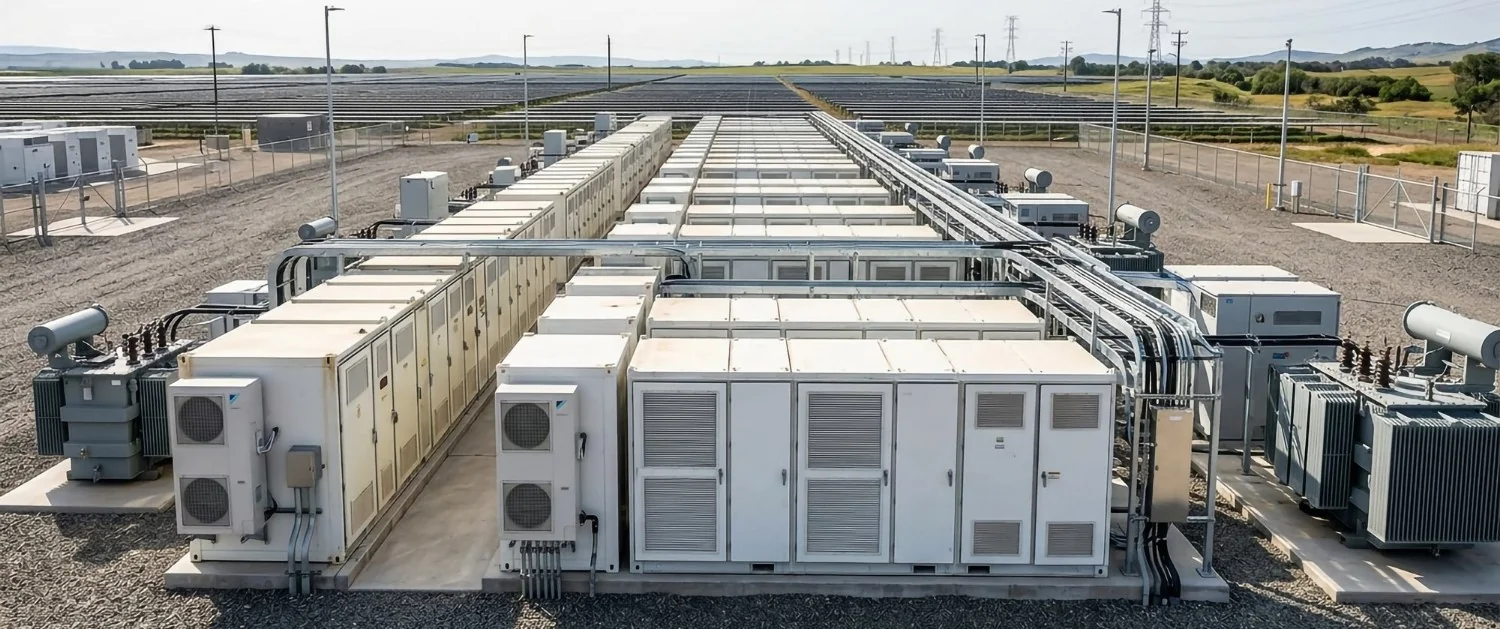
<ul><li><i>The New York State Energy Research and Development Authority (NYSERDA) launched its second competitive bulk energy storage solicitation on November 12, 2026.</i></li><li><i>The procurement…