

.jpg)
23 January 2026
U.S. Energy Secretary Chris Wright called for the world to more than double oil production, arguing that fossil fuels will remain central to the global energy system for decades, even as governments invest heavily in low-carbon alternatives. Speaking at the World Economic Forum in Davos alongside Occidental Petroleum CEO Vicki Hollub, Wright sharply criticized the European Union and California for what he described as costly and inefficient green energy policies.
Wright said rising global energy demand cannot be met without a major expansion of oil and natural gas, positioning hydrocarbons as essential to economic growth and energy security. He highlighted the United States’ growing role as a supplier of natural gas to Europe, replacing Russian gas imports curtailed after the Ukraine conflict in 2022.
However, he warned that EU environmental regulations-particularly methane monitoring and reporting requirements for imported oil and gas-could create legal and financial risks for U.S. producers exporting to Europe.
While the EU recently narrowed its sustainability disclosure rules following industry pressure, investors have cautioned that reduced transparency may undermine efforts to identify genuine progress toward lower-carbon operations.
Wright also took aim at California’s energy policies, comparing them to Europe’s regulatory approach and blaming them for higher consumer energy prices. Hollub said regulatory constraints were a key factor behind Occidental’s exit from California in 2014. The state now faces refinery closures that could remove roughly 17% of its gasoline production capacity, intensifying concerns over fuel prices.
Despite legislative efforts to expand drilling, California’s oil output has fallen sharply over decades, underscoring the tension between climate policy ambitions and energy affordability.
Wright’s remarks highlight a widening divide at Davos between advocates of rapid decarbonization and policymakers who argue that fossil fuels will remain indispensable to global energy systems well into the future.
Davos-level oil-expansion advocacy from US officials illustrates how geopolitical energy alignment increasingly collides with European climate commitments, and that friction shapes what multinationals can credibly promise. Our energy-transition and market-intelligence teams help clients build energy strategies that stay defensible across geopolitical pressures.

• 𝘛𝘩𝘦 𝘜𝘈𝘌 𝘍𝘰𝘰𝘥 𝘉𝘢𝘯𝘬 𝘢𝘯𝘥 𝘋𝘶𝘣𝘢𝘪’𝘴 𝘊𝘰𝘮𝘮𝘶𝘯𝘪𝘵𝘺 𝘋𝘦𝘷𝘦𝘭𝘰𝘱𝘮𝘦𝘯𝘵 𝘈𝘶𝘵𝘩𝘰𝘳𝘪𝘵𝘺 (𝘊𝘋𝘈) 𝘩𝘢𝘷𝘦 𝘴𝘪𝘨𝘯𝘦𝘥 𝘢𝘯 𝘢𝘨𝘳𝘦𝘦𝘮𝘦𝘯𝘵 𝘵𝘰 𝘤𝘰𝘭𝘭𝘦𝘤𝘵 𝘢𝘯𝘥 𝘳𝘦𝘥𝘪𝘴𝘵𝘳𝘪𝘣𝘶𝘵𝘦 𝘴𝘶𝘳𝘱𝘭𝘶𝘴 𝘧𝘰𝘰𝘥 𝘧𝘳𝘰𝘮 𝘸𝘦𝘥𝘥𝘪𝘯𝘨𝘴 𝘢𝘯𝘥 𝘦𝘷𝘦𝘯𝘵𝘴. • 𝘛𝘩𝘦 𝘪𝘯𝘪𝘵𝘪𝘢𝘵𝘪𝘷𝘦 𝘸𝘪𝘭𝘭 𝘧𝘰𝘭𝘭𝘰𝘸 𝘢𝘱𝘱𝘳𝘰𝘷𝘦𝘥…
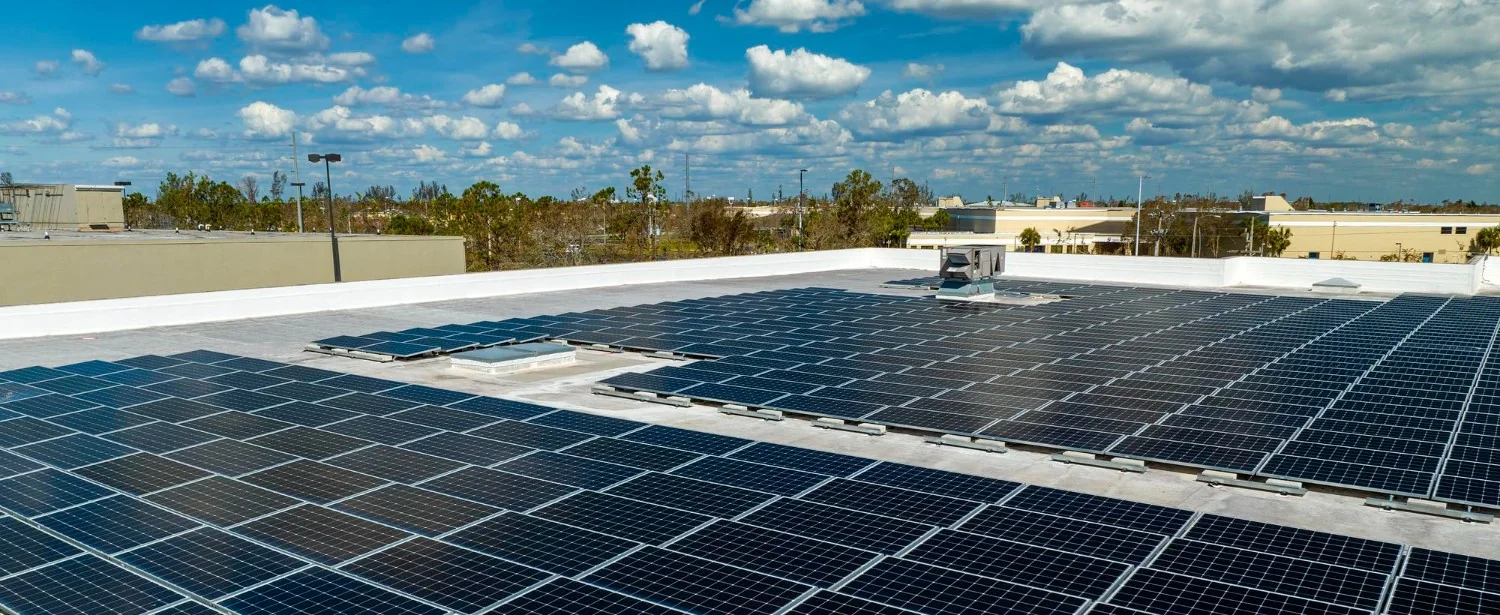
<ul><li><i>India’s rooftop solar capacity reached 30.7 GW in July 2026, increasing the need for better grid management and flexibility.</i></li><li><i>Kerala and Maharashtra are exploring battery ener…
• 𝘛𝘩𝘦 𝘌𝘐𝘉 𝘎𝘳𝘰𝘶𝘱 𝘱𝘭𝘢𝘯𝘴 𝘵𝘰 𝘱𝘳𝘰𝘷𝘪𝘥𝘦 𝘢𝘵 𝘭𝘦𝘢𝘴𝘵 €30 𝘣𝘪𝘭𝘭𝘪𝘰𝘯 𝘧𝘰𝘳 𝘤𝘭𝘪𝘮𝘢𝘵𝘦 𝘢𝘥𝘢𝘱𝘵𝘢𝘵𝘪𝘰𝘯 𝘣𝘦𝘵𝘸𝘦𝘦𝘯 2026 𝘢𝘯𝘥 2030. • 𝘛𝘩𝘦 𝘯𝘦𝘸 𝘵𝘢𝘳𝘨𝘦𝘵 𝘥𝘰𝘶𝘣𝘭𝘦𝘴 𝘢𝘥𝘢𝘱𝘵𝘢𝘵𝘪𝘰𝘯 𝘧𝘪𝘯𝘢𝘯𝘤𝘪𝘯𝘨 𝘤𝘰𝘮𝘱𝘢𝘳𝘦𝘥 𝘸𝘪𝘵𝘩 𝘵𝘩𝘦 𝘱𝘳𝘦𝘷𝘪𝘰𝘶𝘴 𝘧𝘪𝘷𝘦-𝘺𝘦𝘢𝘳 𝘱𝘦𝘳𝘪𝘰𝘥. • 𝘍𝘶𝘯𝘥𝘪𝘯𝘨…