


21 July 2025
Saudi Arabia’s ambitious AlUla Light Rail project, a 22.4 km catenary-free, electric tramway, is moving forward after issuing its final tender.
Designed to seamlessly connect twenty stations, this innovative tram will provide visitors and commuters with easy, sustainable access to AlUla’s cultural and heritage destinations-most notably the UNESCO-listed Hegra, Old Town, and surrounding archaeological sites.
It marks a significant stride toward eco-friendly, car-free mobility in the historic desert landscape.
The tram is set to transform tourism logistics by linking key attractions like Hegra, Nabataean Horizon, Dadan, and Jabal Ikmah, making it easier for travelers to explore more of the region quickly and comfortably. By reducing traffic congestion and the environmental impact of private vehicles, it aligns well with the broader sustainability ambitions of Saudi Arabia’s Vision 2030 strategy.
Beyond enriching the tourist experience, the project promises community benefits: local residents will gain improved transport options to connect with jobs, schools, medical services, and markets. As part of a larger, visionary infrastructure plan, this light rail aims to position AlUla as both a vibrant living heritage site and a regional transit hub-potentially extending connections to nearby cities and the airport in future phases.
A 22.4 km catenary-free electric tramway connecting 20 stations across AlUla creates the sustainable mobility infrastructure that heritage-tourism destinations increasingly require. Reducing private-vehicle dependency in fragile heritage landscapes protects both archaeological sites and visitor experience - pedestrian-friendly and low-emission mobility becomes a competitive advantage rather than a constraint.
The community-benefit dimension (residents gaining transport access to jobs, schools, medical services, markets) is strategically important. Tourism-focused infrastructure that serves only visitors often faces local resistance; integrating community and visitor mobility creates the shared value that supports long-term investment continuity.
For heritage-tourism operators, real-estate developers, mobility technology providers and financial institutions supporting Gulf sustainable-tourism investment, Cognitud's climate action, impact assessment and nature-based solutions teams help clients evaluate sustainable-mobility-anchored tourism-development opportunities, structure long-term operational arrangements, and prepare disclosures aligned with GSTC, SDG 11 and jurisdictional sustainable-tourism frameworks that increasingly determine competitive positioning in premium cultural-heritage markets.

• 𝘛𝘩𝘦 𝘜𝘈𝘌 𝘍𝘰𝘰𝘥 𝘉𝘢𝘯𝘬 𝘢𝘯𝘥 𝘋𝘶𝘣𝘢𝘪’𝘴 𝘊𝘰𝘮𝘮𝘶𝘯𝘪𝘵𝘺 𝘋𝘦𝘷𝘦𝘭𝘰𝘱𝘮𝘦𝘯𝘵 𝘈𝘶𝘵𝘩𝘰𝘳𝘪𝘵𝘺 (𝘊𝘋𝘈) 𝘩𝘢𝘷𝘦 𝘴𝘪𝘨𝘯𝘦𝘥 𝘢𝘯 𝘢𝘨𝘳𝘦𝘦𝘮𝘦𝘯𝘵 𝘵𝘰 𝘤𝘰𝘭𝘭𝘦𝘤𝘵 𝘢𝘯𝘥 𝘳𝘦𝘥𝘪𝘴𝘵𝘳𝘪𝘣𝘶𝘵𝘦 𝘴𝘶𝘳𝘱𝘭𝘶𝘴 𝘧𝘰𝘰𝘥 𝘧𝘳𝘰𝘮 𝘸𝘦𝘥𝘥𝘪𝘯𝘨𝘴 𝘢𝘯𝘥 𝘦𝘷𝘦𝘯𝘵𝘴. • 𝘛𝘩𝘦 𝘪𝘯𝘪𝘵𝘪𝘢𝘵𝘪𝘷𝘦 𝘸𝘪𝘭𝘭 𝘧𝘰𝘭𝘭𝘰𝘸 𝘢𝘱𝘱𝘳𝘰𝘷𝘦𝘥…
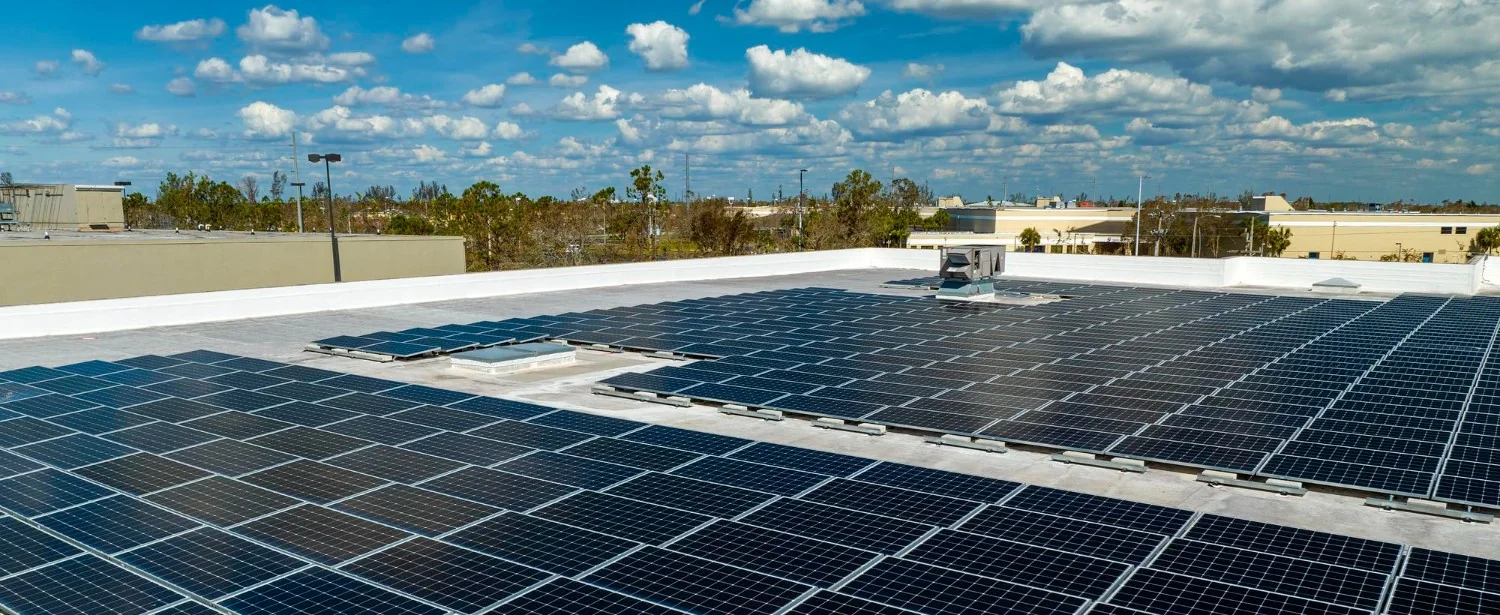
<ul><li><i>India’s rooftop solar capacity reached 30.7 GW in July 2026, increasing the need for better grid management and flexibility.</i></li><li><i>Kerala and Maharashtra are exploring battery ener…

• 𝘛𝘩𝘦 𝘌𝘐𝘉 𝘎𝘳𝘰𝘶𝘱 𝘱𝘭𝘢𝘯𝘴 𝘵𝘰 𝘱𝘳𝘰𝘷𝘪𝘥𝘦 𝘢𝘵 𝘭𝘦𝘢𝘴𝘵 €30 𝘣𝘪𝘭𝘭𝘪𝘰𝘯 𝘧𝘰𝘳 𝘤𝘭𝘪𝘮𝘢𝘵𝘦 𝘢𝘥𝘢𝘱𝘵𝘢𝘵𝘪𝘰𝘯 𝘣𝘦𝘵𝘸𝘦𝘦𝘯 2026 𝘢𝘯𝘥 2030. • 𝘛𝘩𝘦 𝘯𝘦𝘸 𝘵𝘢𝘳𝘨𝘦𝘵 𝘥𝘰𝘶𝘣𝘭𝘦𝘴 𝘢𝘥𝘢𝘱𝘵𝘢𝘵𝘪𝘰𝘯 𝘧𝘪𝘯𝘢𝘯𝘤𝘪𝘯𝘨 𝘤𝘰𝘮𝘱𝘢𝘳𝘦𝘥 𝘸𝘪𝘵𝘩 𝘵𝘩𝘦 𝘱𝘳𝘦𝘷𝘪𝘰𝘶𝘴 𝘧𝘪𝘷𝘦-𝘺𝘦𝘢𝘳 𝘱𝘦𝘳𝘪𝘰𝘥. • 𝘍𝘶𝘯𝘥𝘪𝘯𝘨…