

29 January 2026
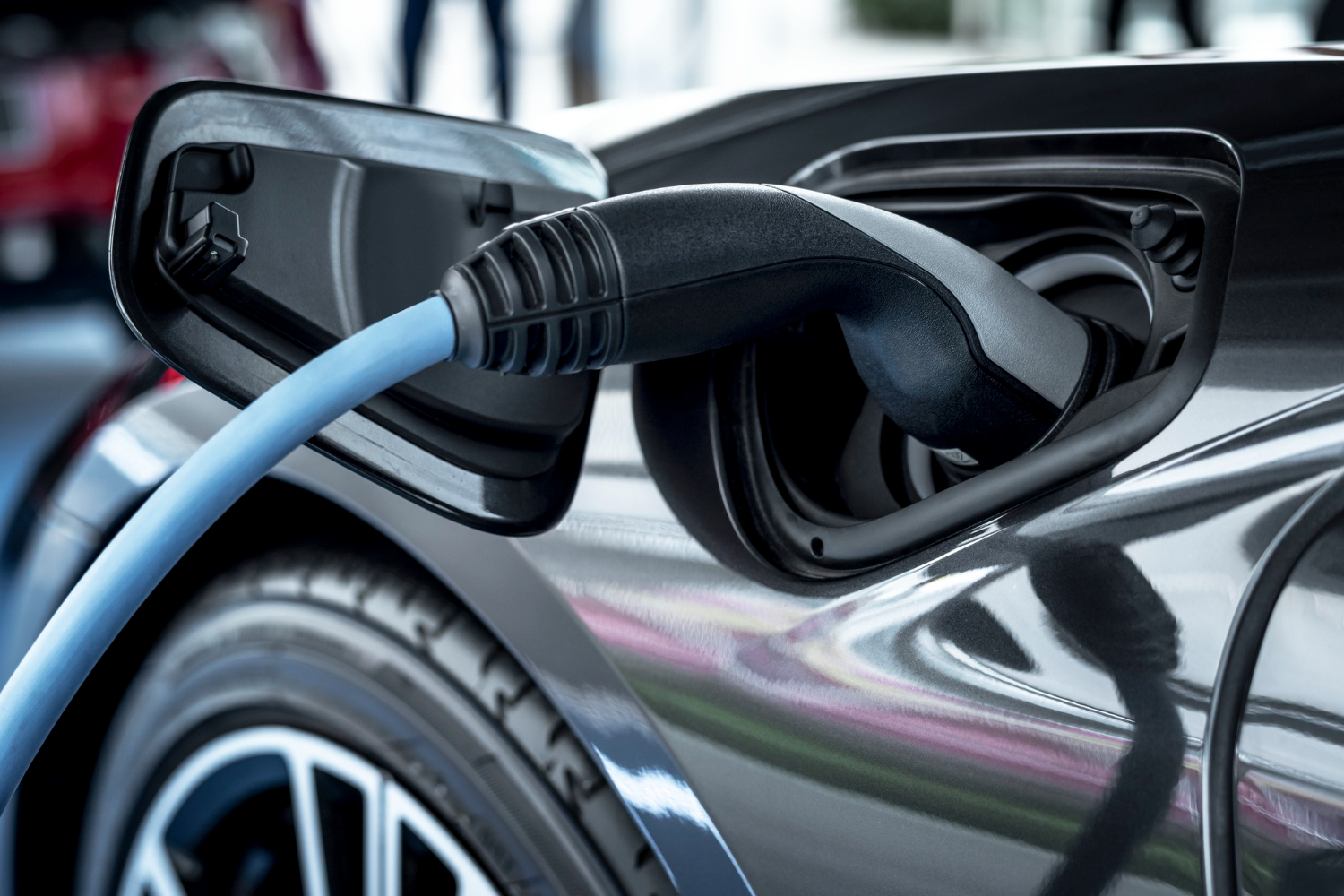
Nearly two million battery-electric cars were registered across the European Union in 2025, marking a significant milestone in the region’s transition toward zero-emission transport. According to industry data, electric vehicles accounted for a 17.4 per cent share of all new car registrations last year, up strongly from the previous year’s share, indicating growing consumer and regulatory momentum behind electrification.
The surge in electric vehicle adoption reflects a combination of stricter emissions standards, supportive national incentives and expanding charging infrastructure across EU member states. Countries such as Germany, the Netherlands, Belgium and France drove much of the growth, together accounting for the majority of new battery-electric registrations. This collective shift signals that cleaner transport options are playing an increasingly mainstream role in Europe’s mobility landscape.
While traditional internal combustion engine vehicles continue to form a sizeable portion of the market, the rise in electric vehicle registrations underscores a broader structural shift. Policymakers see this trend as essential to meeting long-term climate targets, which rely heavily on reductions in transport emissions - one of the most challenging sectors to decarbonise.
Industry observers note that although the pace of electric car uptake is encouraging, further policy support, infrastructure build-out and cost reductions will be needed to maintain growth through the rest of this decade. Nonetheless, the 2025 figures represent a clear signal: electrification of personal transport in Europe is progressing, reshaping both consumer preferences and automotive markets.
2 million European BEV registrations is a real inflection point - it moves fleet electrification, charging infrastructure and grid-integration planning from projection into operational reality. Our climate-action and market-intelligence teams help clients evaluate what these adoption curves mean for fleet strategy, real-estate positioning and Scope 3 emissions.

• 𝘛𝘩𝘦 𝘜𝘈𝘌 𝘍𝘰𝘰𝘥 𝘉𝘢𝘯𝘬 𝘢𝘯𝘥 𝘋𝘶𝘣𝘢𝘪’𝘴 𝘊𝘰𝘮𝘮𝘶𝘯𝘪𝘵𝘺 𝘋𝘦𝘷𝘦𝘭𝘰𝘱𝘮𝘦𝘯𝘵 𝘈𝘶𝘵𝘩𝘰𝘳𝘪𝘵𝘺 (𝘊𝘋𝘈) 𝘩𝘢𝘷𝘦 𝘴𝘪𝘨𝘯𝘦𝘥 𝘢𝘯 𝘢𝘨𝘳𝘦𝘦𝘮𝘦𝘯𝘵 𝘵𝘰 𝘤𝘰𝘭𝘭𝘦𝘤𝘵 𝘢𝘯𝘥 𝘳𝘦𝘥𝘪𝘴𝘵𝘳𝘪𝘣𝘶𝘵𝘦 𝘴𝘶𝘳𝘱𝘭𝘶𝘴 𝘧𝘰𝘰𝘥 𝘧𝘳𝘰𝘮 𝘸𝘦𝘥𝘥𝘪𝘯𝘨𝘴 𝘢𝘯𝘥 𝘦𝘷𝘦𝘯𝘵𝘴. • 𝘛𝘩𝘦 𝘪𝘯𝘪𝘵𝘪𝘢𝘵𝘪𝘷𝘦 𝘸𝘪𝘭𝘭 𝘧𝘰𝘭𝘭𝘰𝘸 𝘢𝘱𝘱𝘳𝘰𝘷𝘦𝘥…

<ul><li><i>India’s rooftop solar capacity reached 30.7 GW in July 2026, increasing the need for better grid management and flexibility.</i></li><li><i>Kerala and Maharashtra are exploring battery ener…

• 𝘛𝘩𝘦 𝘌𝘐𝘉 𝘎𝘳𝘰𝘶𝘱 𝘱𝘭𝘢𝘯𝘴 𝘵𝘰 𝘱𝘳𝘰𝘷𝘪𝘥𝘦 𝘢𝘵 𝘭𝘦𝘢𝘴𝘵 €30 𝘣𝘪𝘭𝘭𝘪𝘰𝘯 𝘧𝘰𝘳 𝘤𝘭𝘪𝘮𝘢𝘵𝘦 𝘢𝘥𝘢𝘱𝘵𝘢𝘵𝘪𝘰𝘯 𝘣𝘦𝘵𝘸𝘦𝘦𝘯 2026 𝘢𝘯𝘥 2030. • 𝘛𝘩𝘦 𝘯𝘦𝘸 𝘵𝘢𝘳𝘨𝘦𝘵 𝘥𝘰𝘶𝘣𝘭𝘦𝘴 𝘢𝘥𝘢𝘱𝘵𝘢𝘵𝘪𝘰𝘯 𝘧𝘪𝘯𝘢𝘯𝘤𝘪𝘯𝘨 𝘤𝘰𝘮𝘱𝘢𝘳𝘦𝘥 𝘸𝘪𝘵𝘩 𝘵𝘩𝘦 𝘱𝘳𝘦𝘷𝘪𝘰𝘶𝘴 𝘧𝘪𝘷𝘦-𝘺𝘦𝘢𝘳 𝘱𝘦𝘳𝘪𝘰𝘥. • 𝘍𝘶𝘯𝘥𝘪𝘯𝘨…