

.jpg)
29 October 2025
Every fully operational liquefied natural gas (LNG) export terminal in the United States has violated federal air or water pollution laws in recent years, according to a new report from the Environmental Integrity Project (EIP). The findings come as the Trump administration accelerates approvals for new LNG export facilities to expand US fossil fuel exports.
The analysis of Environmental Protection Agency (EPA) and state data found that all seven operating LNG terminals - located across Louisiana, Texas, Maryland, and Georgia - breached the Clean Air Act at least once between October 2022 and July 2025. Five of those terminals also violated the Clean Water Act during the same period, with some repeatedly discharging illegal levels of bacteria, zinc, and oil into waterways or failing to submit required monitoring reports.
“The LNG industry portrays itself as environmentally friendly, but companies do not consistently comply with air and water pollution control laws,” said Jen Duggan, EIP’s executive director, calling for stricter oversight rather than accelerated permitting.
Louisiana’s Sabine Pass and Calcasieu Pass terminals emerged as the worst offenders, remaining out of air-quality compliance for nearly three years. Texas’s Freeport LNG terminal faced the highest penalties - nearly $670,000 - following a 2022 explosion and subsequent pollution violations.
Despite this widespread noncompliance, companies behind several of the most polluting sites are seeking to expand operations. Venture Global, which runs the frequently noncompliant Calcasieu Pass terminal, plans two new terminals nearby. Likewise, Sabine Pass, Cameron LNG, and Corpus Christi LNG are pursuing major expansions, even as they remain under active environmental scrutiny.
The EIP report warns that this unchecked growth - with four new terminals already under construction and nearly 30 additional projects proposed - could raise US LNG exports by 60% annually and drive up domestic energy prices. A Department of Energy study cited in the report projects natural gas prices for Americans could rise by more than 30% due to increased exports.
Environmental groups argue that LNG’s climate impact is far worse than claimed. Recent research from Cornell University found that, when accounting for transportation emissions, LNG can be even more damaging to the climate than coal.
“In a sane world, we would stop permitting any more gas export facilities right now,” said Anne Rolfes of the Louisiana Bucket Brigade. “These violations show just how sloppy - and dangerous - this industry has become.”
Systematic compliance breaches across US LNG terminals raise significant liability risk for operators and their offtakers - and they change how EU-CSDDD and the Methane Regulation interact with US LNG imports. Our sustainability-due-diligence teams help clients evaluate what these compliance findings mean for LNG-sector positioning and disclosure narrative.

• 𝘛𝘩𝘦 𝘜𝘈𝘌 𝘍𝘰𝘰𝘥 𝘉𝘢𝘯𝘬 𝘢𝘯𝘥 𝘋𝘶𝘣𝘢𝘪’𝘴 𝘊𝘰𝘮𝘮𝘶𝘯𝘪𝘵𝘺 𝘋𝘦𝘷𝘦𝘭𝘰𝘱𝘮𝘦𝘯𝘵 𝘈𝘶𝘵𝘩𝘰𝘳𝘪𝘵𝘺 (𝘊𝘋𝘈) 𝘩𝘢𝘷𝘦 𝘴𝘪𝘨𝘯𝘦𝘥 𝘢𝘯 𝘢𝘨𝘳𝘦𝘦𝘮𝘦𝘯𝘵 𝘵𝘰 𝘤𝘰𝘭𝘭𝘦𝘤𝘵 𝘢𝘯𝘥 𝘳𝘦𝘥𝘪𝘴𝘵𝘳𝘪𝘣𝘶𝘵𝘦 𝘴𝘶𝘳𝘱𝘭𝘶𝘴 𝘧𝘰𝘰𝘥 𝘧𝘳𝘰𝘮 𝘸𝘦𝘥𝘥𝘪𝘯𝘨𝘴 𝘢𝘯𝘥 𝘦𝘷𝘦𝘯𝘵𝘴. • 𝘛𝘩𝘦 𝘪𝘯𝘪𝘵𝘪𝘢𝘵𝘪𝘷𝘦 𝘸𝘪𝘭𝘭 𝘧𝘰𝘭𝘭𝘰𝘸 𝘢𝘱𝘱𝘳𝘰𝘷𝘦𝘥…
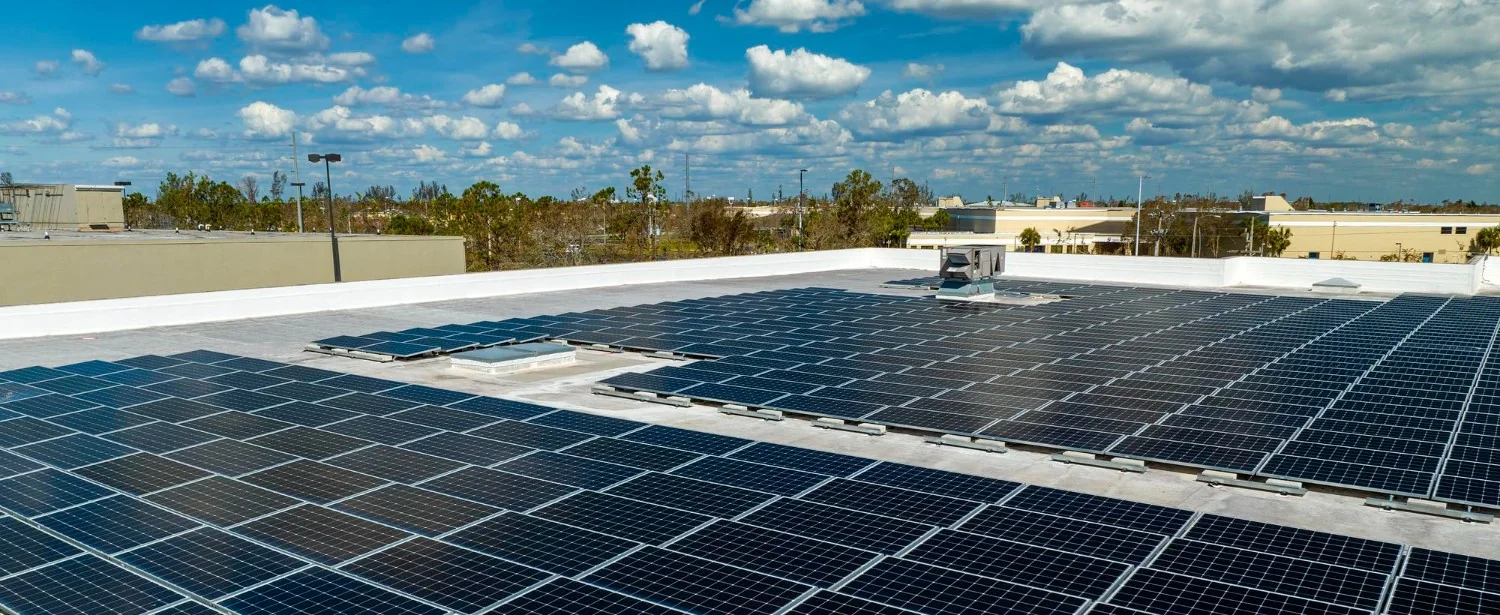
<ul><li><i>India’s rooftop solar capacity reached 30.7 GW in July 2026, increasing the need for better grid management and flexibility.</i></li><li><i>Kerala and Maharashtra are exploring battery ener…

• 𝘛𝘩𝘦 𝘌𝘐𝘉 𝘎𝘳𝘰𝘶𝘱 𝘱𝘭𝘢𝘯𝘴 𝘵𝘰 𝘱𝘳𝘰𝘷𝘪𝘥𝘦 𝘢𝘵 𝘭𝘦𝘢𝘴𝘵 €30 𝘣𝘪𝘭𝘭𝘪𝘰𝘯 𝘧𝘰𝘳 𝘤𝘭𝘪𝘮𝘢𝘵𝘦 𝘢𝘥𝘢𝘱𝘵𝘢𝘵𝘪𝘰𝘯 𝘣𝘦𝘵𝘸𝘦𝘦𝘯 2026 𝘢𝘯𝘥 2030. • 𝘛𝘩𝘦 𝘯𝘦𝘸 𝘵𝘢𝘳𝘨𝘦𝘵 𝘥𝘰𝘶𝘣𝘭𝘦𝘴 𝘢𝘥𝘢𝘱𝘵𝘢𝘵𝘪𝘰𝘯 𝘧𝘪𝘯𝘢𝘯𝘤𝘪𝘯𝘨 𝘤𝘰𝘮𝘱𝘢𝘳𝘦𝘥 𝘸𝘪𝘵𝘩 𝘵𝘩𝘦 𝘱𝘳𝘦𝘷𝘪𝘰𝘶𝘴 𝘧𝘪𝘷𝘦-𝘺𝘦𝘢𝘳 𝘱𝘦𝘳𝘪𝘰𝘥. • 𝘍𝘶𝘯𝘥𝘪𝘯𝘨…