


23 April 2026
Abu Dhabi’s Environment Agency (EAD) has reported major progress under its single-use plastics policy, revealing that more than 470 million single-use plastic bags have been prevented from entering circulation since the initiative began in 2020. The policy has significantly reduced plastic use across the emirate, with usage at major retail outlets dropping by up to 95%, demonstrating strong results from government-led sustainability measures.
Alongside the reduction in plastic bags, around 267 million plastic bottles have been collected through household recycling initiatives, supported by the deployment of more than 170 smart recycling machines across Abu Dhabi. These combined efforts have prevented approximately 7,386 tonnes of plastic waste from reaching landfills and delivered emissions reductions equivalent to removing 185,000 fuel-powered vehicles from the road for one year.
The policy is aligned with the UAE’s wider federal ban on single-use plastics, which came into full force in 2026 and expanded restrictions to include cups, lids, cutlery, plates, straws, and food containers. The survey conducted by EAD included over 5,000 participants from 126 nationalities and showed strong public backing, with 96% acknowledging the environmental risks of plastic pollution and 95% considering current regulations effective.
Officials said the survey results will help shape future policy development, including stricter regulation of single-use products and stronger support for environmentally friendly alternatives. Abu Dhabi’s progress is being positioned as a model for national sustainability governance, reinforcing the UAE’s broader goals around circular economy practices, responsible consumption, and long-term environmental resilience.
470 million bags eliminated is a meaningful data point on how quickly single-use plastic reduction can scale, and it's a leading indicator for what EPR-linked packaging changes across the Gulf will demand. Our circular-economy and sustainability-due-diligence teams help consumer-goods, packaging and retail brands evaluate exposure to plastic-reduction rules and EPR obligations.

• 𝘛𝘩𝘦 𝘜𝘈𝘌 𝘍𝘰𝘰𝘥 𝘉𝘢𝘯𝘬 𝘢𝘯𝘥 𝘋𝘶𝘣𝘢𝘪’𝘴 𝘊𝘰𝘮𝘮𝘶𝘯𝘪𝘵𝘺 𝘋𝘦𝘷𝘦𝘭𝘰𝘱𝘮𝘦𝘯𝘵 𝘈𝘶𝘵𝘩𝘰𝘳𝘪𝘵𝘺 (𝘊𝘋𝘈) 𝘩𝘢𝘷𝘦 𝘴𝘪𝘨𝘯𝘦𝘥 𝘢𝘯 𝘢𝘨𝘳𝘦𝘦𝘮𝘦𝘯𝘵 𝘵𝘰 𝘤𝘰𝘭𝘭𝘦𝘤𝘵 𝘢𝘯𝘥 𝘳𝘦𝘥𝘪𝘴𝘵𝘳𝘪𝘣𝘶𝘵𝘦 𝘴𝘶𝘳𝘱𝘭𝘶𝘴 𝘧𝘰𝘰𝘥 𝘧𝘳𝘰𝘮 𝘸𝘦𝘥𝘥𝘪𝘯𝘨𝘴 𝘢𝘯𝘥 𝘦𝘷𝘦𝘯𝘵𝘴. • 𝘛𝘩𝘦 𝘪𝘯𝘪𝘵𝘪𝘢𝘵𝘪𝘷𝘦 𝘸𝘪𝘭𝘭 𝘧𝘰𝘭𝘭𝘰𝘸 𝘢𝘱𝘱𝘳𝘰𝘷𝘦𝘥…
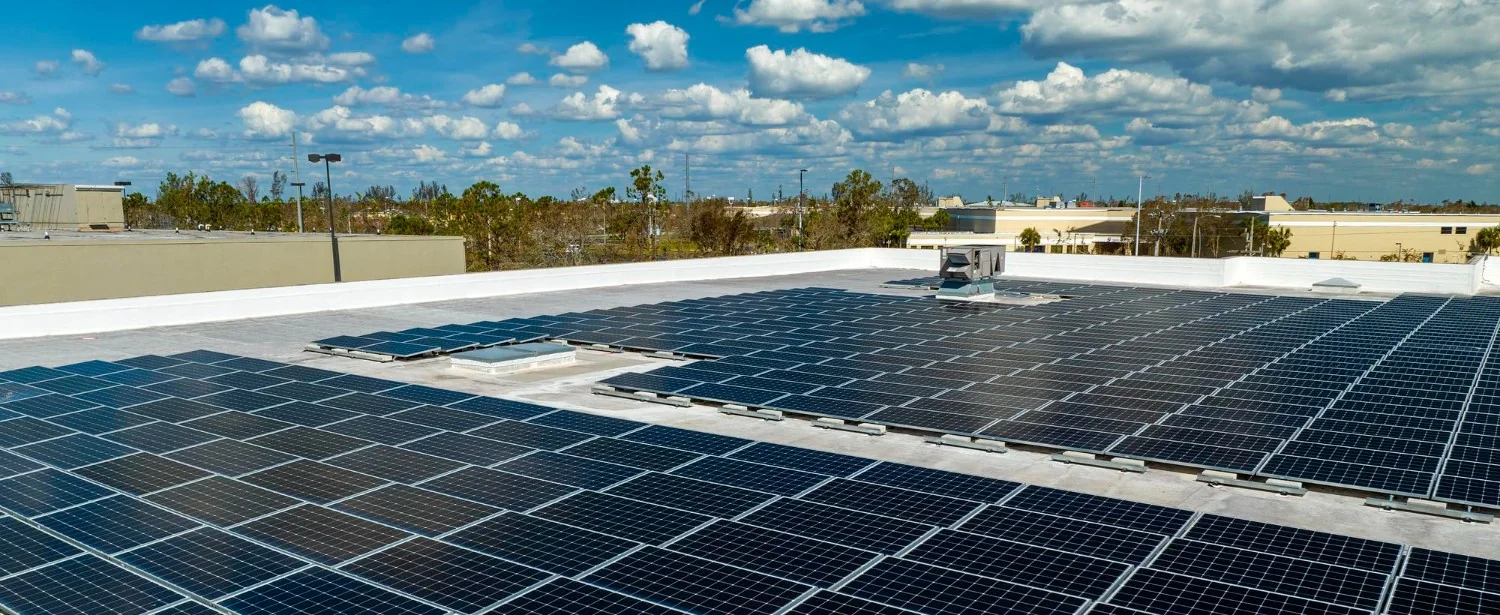
<ul><li><i>India’s rooftop solar capacity reached 30.7 GW in July 2026, increasing the need for better grid management and flexibility.</i></li><li><i>Kerala and Maharashtra are exploring battery ener…

• 𝘛𝘩𝘦 𝘌𝘐𝘉 𝘎𝘳𝘰𝘶𝘱 𝘱𝘭𝘢𝘯𝘴 𝘵𝘰 𝘱𝘳𝘰𝘷𝘪𝘥𝘦 𝘢𝘵 𝘭𝘦𝘢𝘴𝘵 €30 𝘣𝘪𝘭𝘭𝘪𝘰𝘯 𝘧𝘰𝘳 𝘤𝘭𝘪𝘮𝘢𝘵𝘦 𝘢𝘥𝘢𝘱𝘵𝘢𝘵𝘪𝘰𝘯 𝘣𝘦𝘵𝘸𝘦𝘦𝘯 2026 𝘢𝘯𝘥 2030. • 𝘛𝘩𝘦 𝘯𝘦𝘸 𝘵𝘢𝘳𝘨𝘦𝘵 𝘥𝘰𝘶𝘣𝘭𝘦𝘴 𝘢𝘥𝘢𝘱𝘵𝘢𝘵𝘪𝘰𝘯 𝘧𝘪𝘯𝘢𝘯𝘤𝘪𝘯𝘨 𝘤𝘰𝘮𝘱𝘢𝘳𝘦𝘥 𝘸𝘪𝘵𝘩 𝘵𝘩𝘦 𝘱𝘳𝘦𝘷𝘪𝘰𝘶𝘴 𝘧𝘪𝘷𝘦-𝘺𝘦𝘢𝘳 𝘱𝘦𝘳𝘪𝘰𝘥. • 𝘍𝘶𝘯𝘥𝘪𝘯𝘨…