

01 October 2025
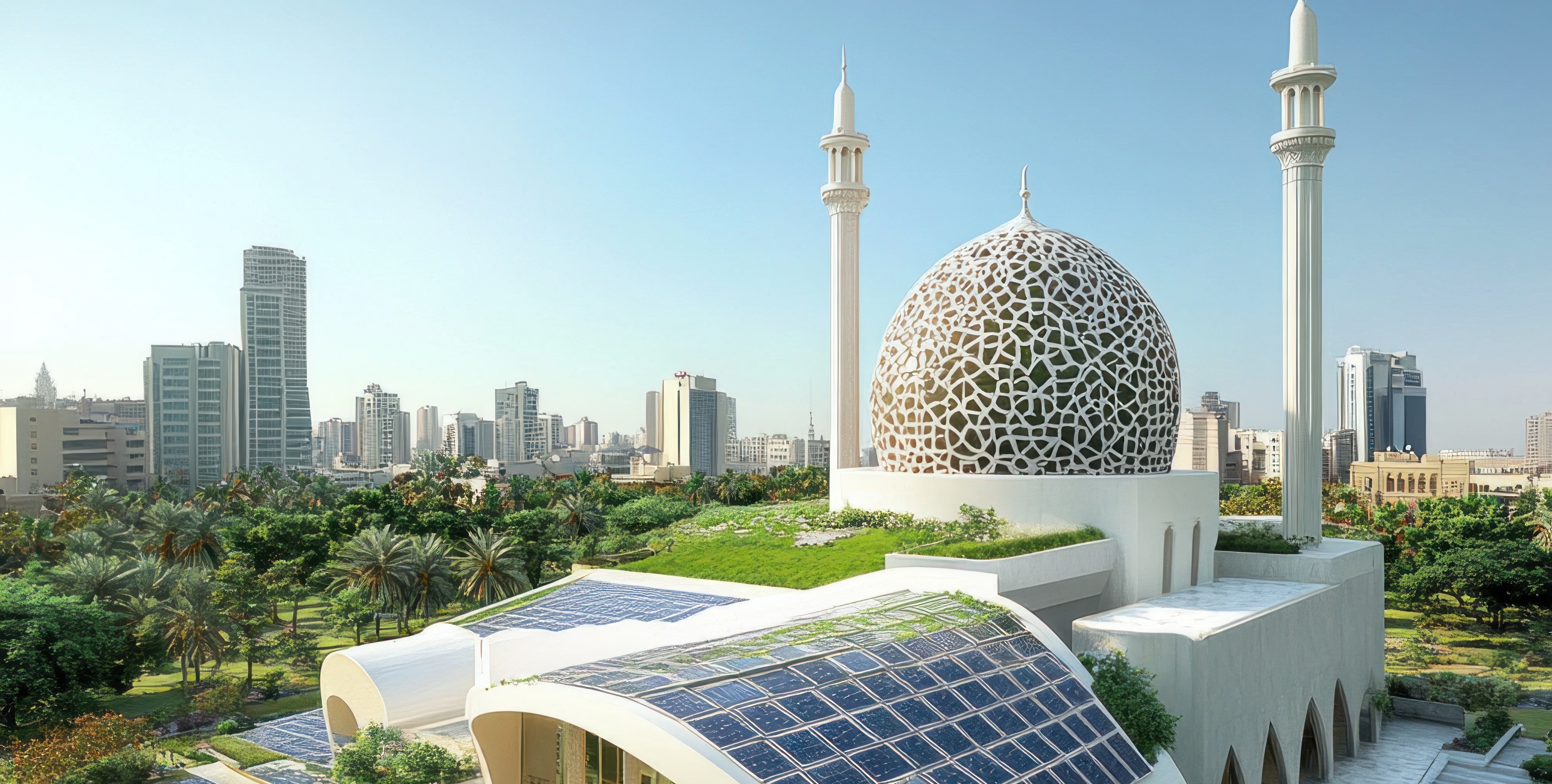
In a groundbreaking move, Abu Dhabi began constructing the world’s first net-zero energy mosque in Masdar City, combining sustainability with cultural heritage. The mosque was designed to produce as much energy as it consumes, using rooftop solar panels and energy-efficient systems. Slated for completion in October, the project reflected the UAE's broader commitment to climate action and green building innovation.
The mosque integrated traditional building methods with modern eco-technologies. Thick mud-brick walls provided natural insulation, helping maintain cool indoor temperatures in the desert heat. Passive design strategies such as natural ventilation and thermal mass reduced the need for mechanical cooling, while solar panels powered lighting, cooling systems, and other energy demands.
To further minimize its environmental footprint, the mosque used low-carbon construction materials like hydrogen-reinforced steel and sourced materials locally to reduce transport emissions. Smart sensors were also installed to monitor and optimize energy and water usage. The design was projected to cut energy consumption by 35% and reduce water use by more than 50% compared to conventional mosques.
Beyond its environmental benefits, the mosque served as a model for future religious and public buildings in the region. By aligning Islamic architectural aesthetics with sustainability principles, the project highlighted how tradition and innovation could coexist. The initiative positioned the UAE as a leader in merging faith, culture, and climate responsibility.
Flagship net-zero buildings become benchmarks that quietly reshape public-sector procurement specifications across a region - which is exactly where construction, materials, HVAC and building-technology suppliers pick up their next few years of demand. Our climate-action and impact-assessment teams help clients evaluate net-zero-building opportunities including LEED, embodied-carbon and operational-performance credibility.

• 𝘛𝘩𝘦 𝘜𝘈𝘌 𝘍𝘰𝘰𝘥 𝘉𝘢𝘯𝘬 𝘢𝘯𝘥 𝘋𝘶𝘣𝘢𝘪’𝘴 𝘊𝘰𝘮𝘮𝘶𝘯𝘪𝘵𝘺 𝘋𝘦𝘷𝘦𝘭𝘰𝘱𝘮𝘦𝘯𝘵 𝘈𝘶𝘵𝘩𝘰𝘳𝘪𝘵𝘺 (𝘊𝘋𝘈) 𝘩𝘢𝘷𝘦 𝘴𝘪𝘨𝘯𝘦𝘥 𝘢𝘯 𝘢𝘨𝘳𝘦𝘦𝘮𝘦𝘯𝘵 𝘵𝘰 𝘤𝘰𝘭𝘭𝘦𝘤𝘵 𝘢𝘯𝘥 𝘳𝘦𝘥𝘪𝘴𝘵𝘳𝘪𝘣𝘶𝘵𝘦 𝘴𝘶𝘳𝘱𝘭𝘶𝘴 𝘧𝘰𝘰𝘥 𝘧𝘳𝘰𝘮 𝘸𝘦𝘥𝘥𝘪𝘯𝘨𝘴 𝘢𝘯𝘥 𝘦𝘷𝘦𝘯𝘵𝘴. • 𝘛𝘩𝘦 𝘪𝘯𝘪𝘵𝘪𝘢𝘵𝘪𝘷𝘦 𝘸𝘪𝘭𝘭 𝘧𝘰𝘭𝘭𝘰𝘸 𝘢𝘱𝘱𝘳𝘰𝘷𝘦𝘥…

<ul><li><i>India’s rooftop solar capacity reached 30.7 GW in July 2026, increasing the need for better grid management and flexibility.</i></li><li><i>Kerala and Maharashtra are exploring battery ener…

• 𝘛𝘩𝘦 𝘌𝘐𝘉 𝘎𝘳𝘰𝘶𝘱 𝘱𝘭𝘢𝘯𝘴 𝘵𝘰 𝘱𝘳𝘰𝘷𝘪𝘥𝘦 𝘢𝘵 𝘭𝘦𝘢𝘴𝘵 €30 𝘣𝘪𝘭𝘭𝘪𝘰𝘯 𝘧𝘰𝘳 𝘤𝘭𝘪𝘮𝘢𝘵𝘦 𝘢𝘥𝘢𝘱𝘵𝘢𝘵𝘪𝘰𝘯 𝘣𝘦𝘵𝘸𝘦𝘦𝘯 2026 𝘢𝘯𝘥 2030. • 𝘛𝘩𝘦 𝘯𝘦𝘸 𝘵𝘢𝘳𝘨𝘦𝘵 𝘥𝘰𝘶𝘣𝘭𝘦𝘴 𝘢𝘥𝘢𝘱𝘵𝘢𝘵𝘪𝘰𝘯 𝘧𝘪𝘯𝘢𝘯𝘤𝘪𝘯𝘨 𝘤𝘰𝘮𝘱𝘢𝘳𝘦𝘥 𝘸𝘪𝘵𝘩 𝘵𝘩𝘦 𝘱𝘳𝘦𝘷𝘪𝘰𝘶𝘴 𝘧𝘪𝘷𝘦-𝘺𝘦𝘢𝘳 𝘱𝘦𝘳𝘪𝘰𝘥. • 𝘍𝘶𝘯𝘥𝘪𝘯𝘨…