

INDUSTRIESCASE STUDIES
Manufacturing & Industrials
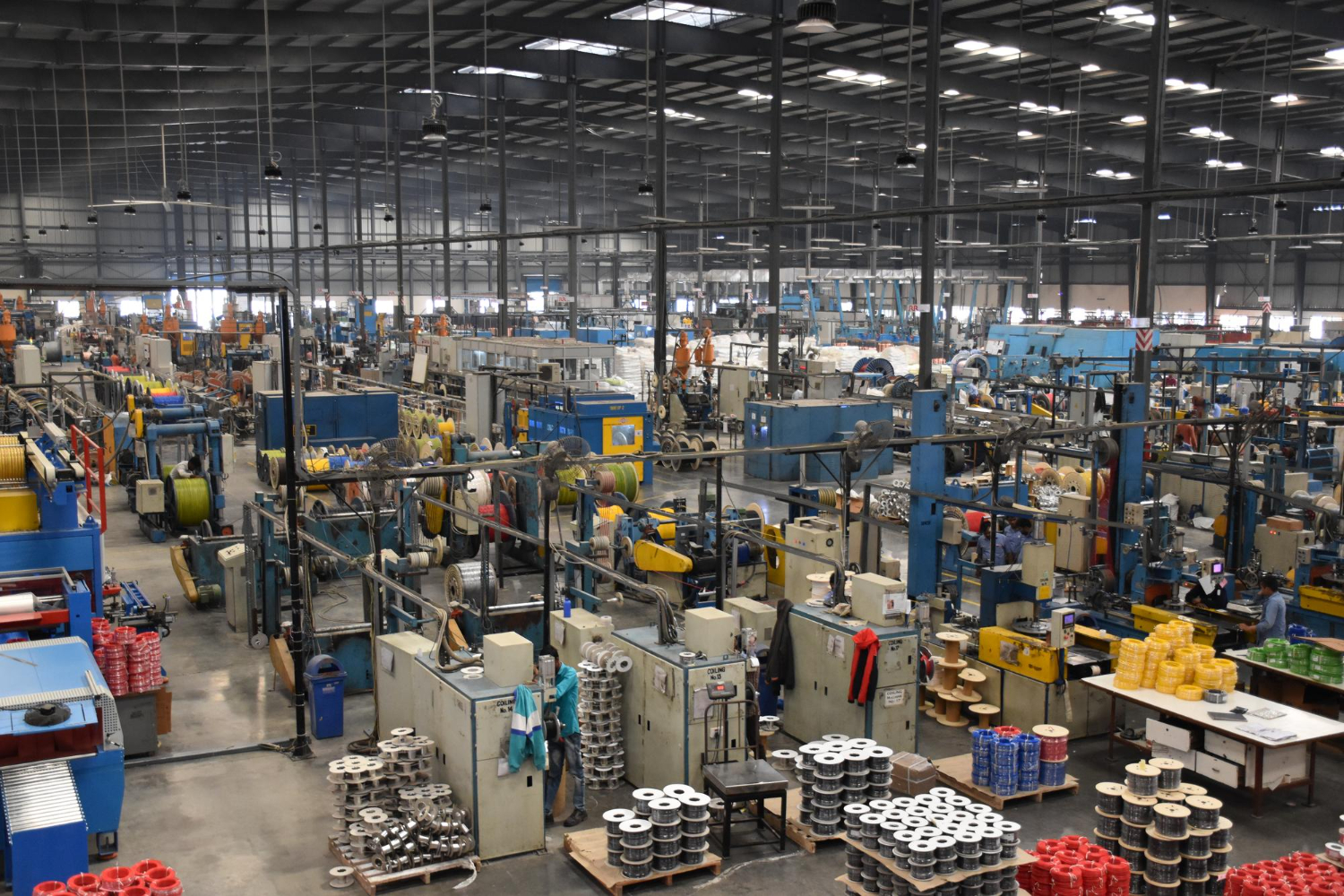
Reliable manufacturing depends on thousands of maintenance and engineering items being available at the right time, in the right specification, and at the right cost.
As procurement complexity increased across multiple manufacturing locations, a manufacturing company selected Cognitud to simplify MRO sourcing through supplier consolidation, category standardization, and stronger commercial governance.
Procurement was spread across a large network of local suppliers, with limited visibility into category-wise spend and consumption trends. Duplicate SKUs, inconsistent technical specifications, and plant-specific purchasing practices reduced buying power while increasing inventory complexity.
The absence of rate contracts and catalog-based procurement also resulted in frequent low-value transactions, high tail spend, excess inventory, and significant procurement effort for repetitive purchases.
The engagement began with a detailed spend assessment across major MRO categories, followed by SKU rationalization and supplier mapping. Working closely with maintenance and engineering teams, technical specifications were standardized and interchangeable items were identified to reduce unnecessary complexity.
Category-specific sourcing strategies were then developed for bearings, mechanical spares, electrical consumables, lubricants, industrial tools, PPE, and safety products. Competitive sourcing events, e-auctions, and volume-based rate contracts helped consolidate demand across plants, while catalog-based procurement simplified repeat purchases. The sourcing programme was supported by approved supplier panels, inventory optimization recommendations, supplier performance scorecards, and a structured governance framework.
The programme delivered 15–18% cost savings across key MRO categories while reducing the supplier base by approximately 35%, creating greater consistency and procurement control across manufacturing locations.
Standardized specifications, improved inventory visibility, and optimized stocking practices reduced duplicate SKUs and slow-moving inventory. Rate contracts, preferred supplier frameworks, and catalog-based procurement also shortened sourcing cycles, lowered procurement effort for routine purchases, and established a more scalable operating model for indirect procurement.
More case studies

Manufacturing & Industrials
Packaging procurement often appears straightforward until fragmented purchasing begins to erode commercial value.
Read more
Manufacturing & Industrials
End-of-life assets represent more than surplus inventory; they carry financial value, compliance obligations, and data security risks that require disciplined management.
Read more
Manufacturing & Industrials
Supplier sustainability assessments have become an increasingly important factor in industrial procurement, influencing both customer confidence and access to new business opportunities.
Read moreThe next chapter of success starts with one conversation.
Talk to our Experts