


INDUSTRIESCASE STUDIES
Manufacturing & Industrials
End-of-life assets represent more than surplus inventory; they carry financial value, compliance obligations, and data security risks that require disciplined management.
A diversified enterprise engaged Cognitud to transform the disposal of more than 2,000 IT and non-IT assets across five business units into a structured, compliant, and value-driven process that improved recovery while safeguarding regulatory and governance requirements.
Years of decentralized asset management had resulted in an incomplete asset inventory spanning obsolete laptops, servers, networking equipment, laboratory assets, office furniture, and UPS systems. Previous disposals through local scrap dealers delivered limited commercial returns, inconsistent documentation, and little assurance around regulatory compliance. The disposal programme also involved higher-risk considerations. Sensitive data stored on decommissioned IT assets required secure destruction, while hazardous UPS batteries had to be handled in accordance with India's E-Waste (Management) Rules, 2016 through authorized recycling channels. Without standardized governance, the organization faced avoidable operational, compliance, and reputational risks.

Years of decentralized asset management had resulted in an incomplete asset inventory spanning obsolete laptops, servers, networking equipment, laboratory assets, office furniture, and UPS systems. Previous disposals through local scrap dealers delivered limited commercial returns, inconsistent documentation, and little assurance around regulatory compliance. The disposal programme also involved higher-risk considerations. Sensitive data stored on decommissioned IT assets required secure destruction, while hazardous UPS batteries had to be handled in accordance with India's E-Waste (Management) Rules, 2016 through authorized recycling channels. Without standardized governance, the organization faced avoidable operational, compliance, and reputational risks.
A comprehensive physical verification exercise established a digital asset register containing photographs, serial numbers, asset age, condition scores, and recovery potential. Assets were then classified into four recovery categories—refurbishable, saleable, component recovery, and scrap—allowing each category to follow the most appropriate disposal pathway. Market engagement was tailored to maximize recovery across different asset types. E-auctions connected refurbishers, IT asset disposition specialists, industrial buyers, NGOs, and authorized recyclers with suitable asset categories, while certified data destruction, CPCB-authorized e-waste recycling, and complete compliance documentation ensured every transaction satisfied regulatory and information security requirements. The programme concluded with standardized governance workflows, logistics management, and board-ready reporting covering commercial realization, buyer records, compliance certificates, and asset traceability.
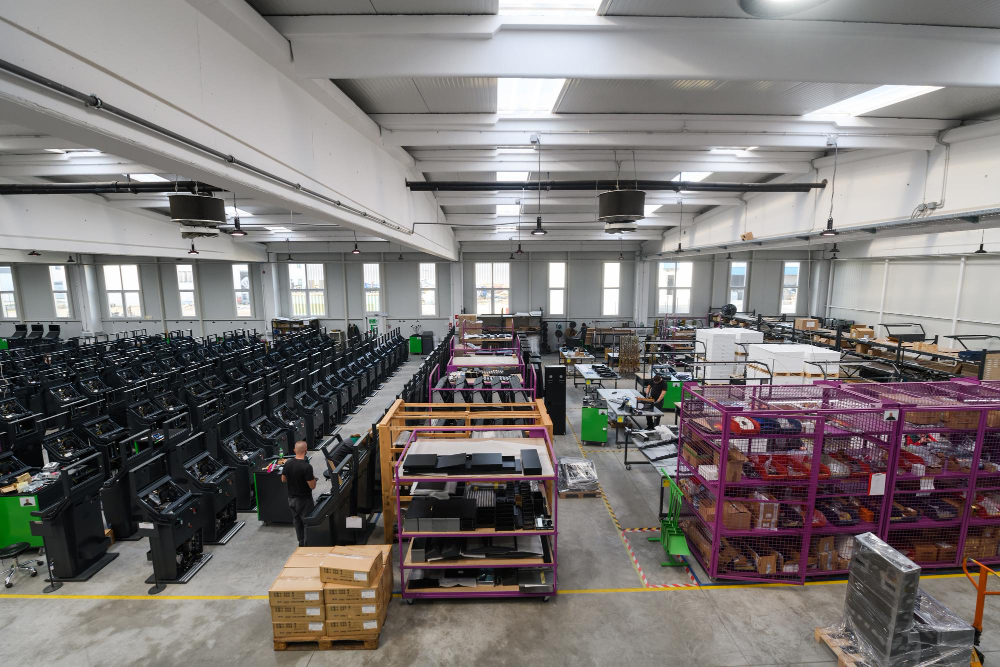
A comprehensive physical verification exercise established a digital asset register containing photographs, serial numbers, asset age, condition scores, and recovery potential. Assets were then classified into four recovery categories—refurbishable, saleable, component recovery, and scrap—allowing each category to follow the most appropriate disposal pathway. Market engagement was tailored to maximize recovery across different asset types. E-auctions connected refurbishers, IT asset disposition specialists, industrial buyers, NGOs, and authorized recyclers with suitable asset categories, while certified data destruction, CPCB-authorized e-waste recycling, and complete compliance documentation ensured every transaction satisfied regulatory and information security requirements. The programme concluded with standardized governance workflows, logistics management, and board-ready reporting covering commercial realization, buyer records, compliance certificates, and asset traceability.
The disposal programme improved overall asset recovery values by 20–30% while clearing significant volumes of obsolete inventory across multiple locations, reducing storage costs and releasing valuable operational space. Certified data destruction eliminated data breach risks associated with retired IT assets, and complete e-waste documentation strengthened regulatory compliance and audit readiness. The initiative also established a vendor-managed asset disposal framework that has since become the organization's standard approach for future disposal cycles. Internal audit approval was secured during the first review without documentation queries, demonstrating a governance process that combined commercial recovery, regulatory compliance, and enterprise-wide control within a single disposal model.
More case studies
Manufacturing & Industrials
Reliable manufacturing depends on thousands of maintenance and engineering items being available at the right time, in the right specification, and at the right cost.
Read more
Manufacturing & Industrials
Packaging procurement often appears straightforward until fragmented purchasing begins to erode commercial value.
Read more
Manufacturing & Industrials
Supplier sustainability assessments have become an increasingly important factor in industrial procurement, influencing both customer confidence and access to new business opportunities.
Read moreThe next chapter of success starts with one conversation.
Talk to our Experts