


INDUSTRIESCASE STUDIES
Manufacturing & Industrials
Infrastructure businesses are expected to demonstrate how long-term growth, environmental responsibility, and public value reinforce one another.
Operating at the heart of India's road construction and bitumen sector, a PSU-backed infrastructure enterprise began working with Cognitud to define a clearer ESG direction through a materiality assessment, enterprise-wide strategy, and structured sustainability reporting that reflected both stakeholder priorities and business objectives.
The organization had undertaken several sustainability initiatives over the years, but these remained dispersed across functions without a common strategic framework. As expectations from investors, regulators, customers, and public stakeholders evolved, leadership needed greater clarity on which ESG issues were most material to the business and how those priorities should shape governance, reporting, and long-term decision-making.
The absence of a structured materiality process also made it difficult to communicate a consistent sustainability narrative across external disclosures.
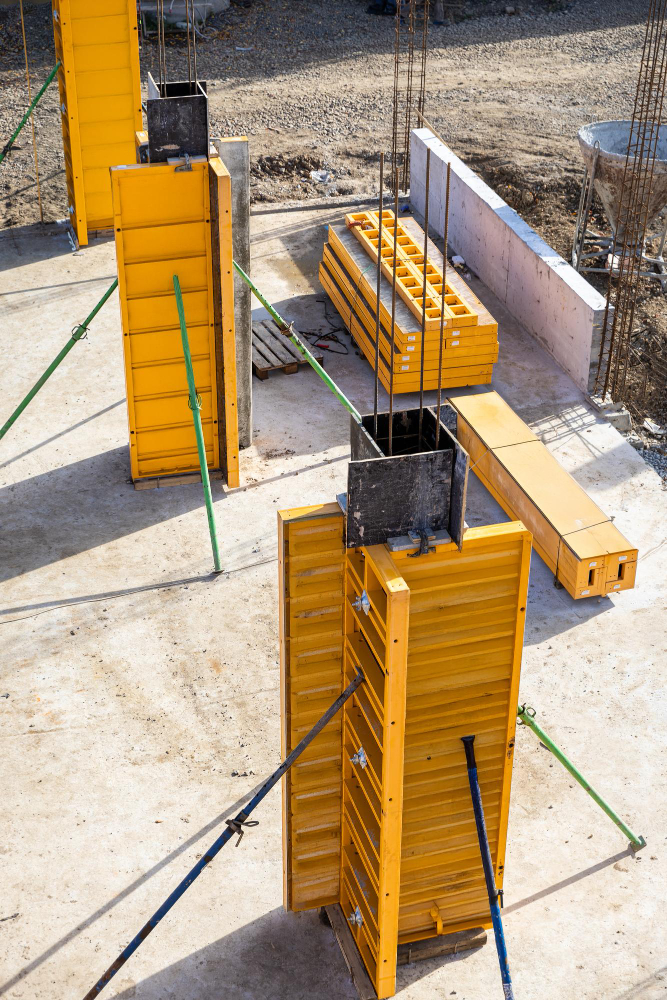
Work commenced with a comprehensive materiality assessment that combined stakeholder perspectives, sector-specific risks, business priorities, and emerging ESG trends to identify the issues with the greatest strategic relevance. Those insights became the foundation for an enterprise ESG strategy that aligned sustainability priorities with business objectives and established a structured roadmap for implementation.
Reporting practices and governance processes were subsequently aligned to the strategy, enabling sustainability information to be managed through a consistent framework while strengthening accountability across the organization.

The organization gained a clearer understanding of its most significant ESG priorities and a stronger governance foundation for integrating sustainability into business planning. Reporting became more structured, stakeholder communication more consistent, and decision-making better informed by material sustainability considerations.
With an ESG strategy anchored in business priorities rather than isolated initiatives, the organization established a long-term platform for governance, disclosure, and value creation across India's evolving infrastructure landscape.
More case studies
Manufacturing & Industrials
Reliable manufacturing depends on thousands of maintenance and engineering items being available at the right time, in the right specification, and at the right cost.
Read more
Manufacturing & Industrials
Packaging procurement often appears straightforward until fragmented purchasing begins to erode commercial value.
Read more
Manufacturing & Industrials
End-of-life assets represent more than surplus inventory; they carry financial value, compliance obligations, and data security risks that require disciplined management.
Read moreThe next chapter of success starts with one conversation.
Talk to our Experts