

INDUSTRIESCASE STUDIES
Manufacturing & Industrials
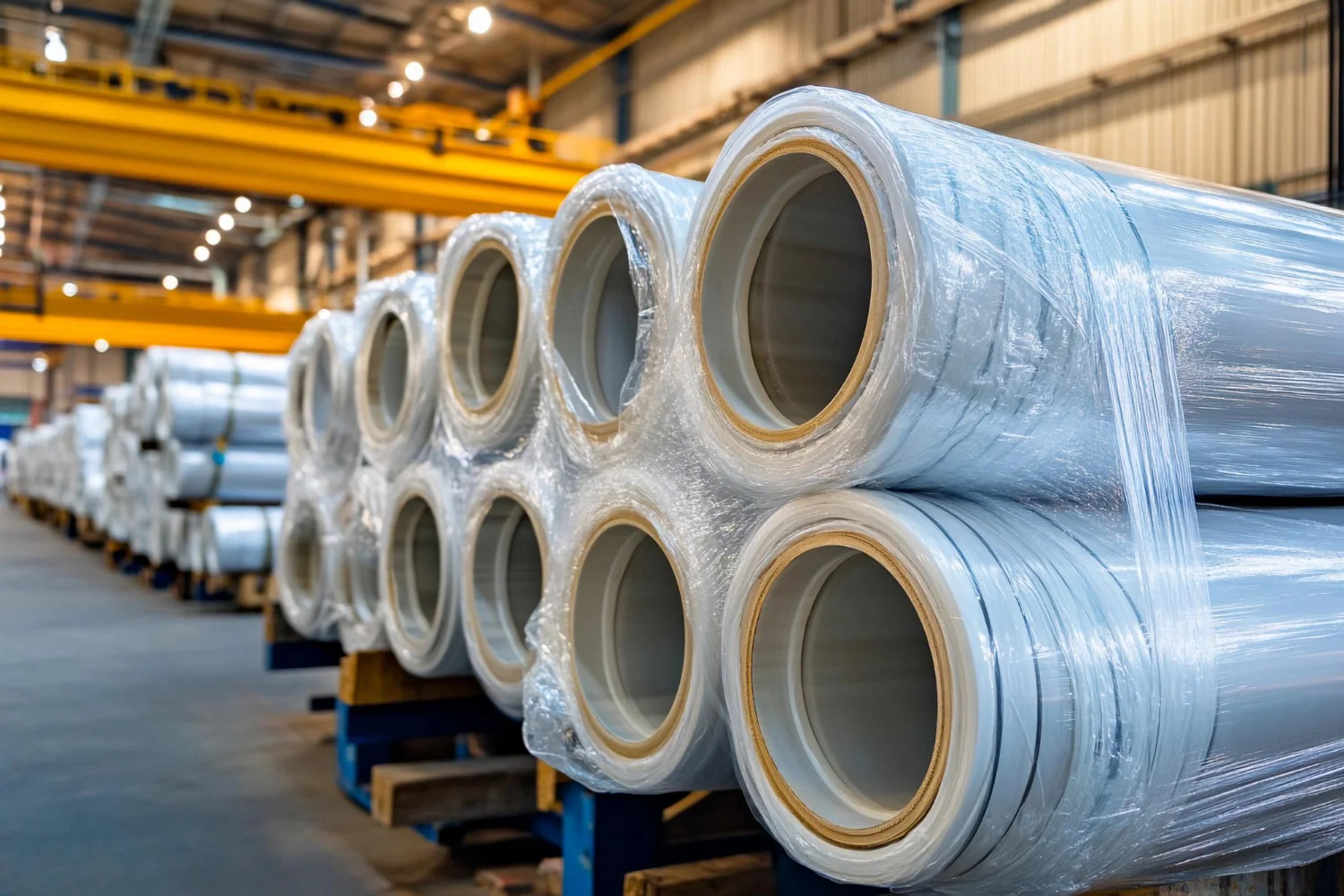
Flexible packaging influences both product economics and sustainability performance.
An FMCG manufacturer partnered with Cognitud to redesign its sourcing strategy for laminates and poly bags, with the objective of lowering procurement costs, improving supplier competitiveness, reducing packaging complexity, and introducing recyclable alternatives without compromising product quality or supply reliability.
Procurement had evolved around multiple laminate structures serving similar products, creating unnecessary complexity and limiting purchasing leverage. Heavy dependence on incumbent suppliers, high minimum order quantities, frequent artwork revisions, and opaque converter pricing further increased inventory levels and procurement costs. At the same time, recyclable mono-material packaging remained unexplored despite commercially viable alternatives being available, making it difficult to respond to growing sustainability expectations.

A detailed review of packaging specifications, resin composition, supplier capabilities, and conversion costs established a clear baseline for sourcing decisions. Clean-sheet cost models and commodity benchmarking improved price transparency, while a structured RFQ followed by an e-auction involving nine qualified laminators strengthened market competition and introduced resin-index-linked pricing mechanisms. Technical validation supported downgauging initiatives, conversion of selected three-layer laminates into optimized two-layer structures, roll-width optimization, and the qualification of mono-material PE-PE packaging for suitable product applications. Artwork governance was also strengthened to reduce obsolescence and improve inventory control.

The sourcing transformation delivered annualized savings of 13–14% across flexible packaging categories while improving supply continuity through a multi-supplier strategy. Laminate consumption declined through material optimization, packaging obsolescence reduced significantly, and procurement cycle times shortened under framework agreements. The successful introduction of recyclable mono-material pouches enabled compliance with retailer ESG requirements, while index-linked commercial governance established a more resilient and transparent procurement model for future packaging categories.
More case studies
Manufacturing & Industrials
Reliable manufacturing depends on thousands of maintenance and engineering items being available at the right time, in the right specification, and at the right cost.
Read more
Manufacturing & Industrials
Packaging procurement often appears straightforward until fragmented purchasing begins to erode commercial value.
Read more
Manufacturing & Industrials
End-of-life assets represent more than surplus inventory; they carry financial value, compliance obligations, and data security risks that require disciplined management.
Read moreThe next chapter of success starts with one conversation.
Talk to our Experts