


INDUSTRIESCASE STUDIES
Manufacturing & Industrials
Infrastructure assets are designed with investment horizons measured in decades, making climate decisions inseparable from long-term business planning.
One of India's largest integrated ports and logistics operators partnered with Cognitud to build a climate disclosure programme that reflected the realities of operating ports across multiple geographies, where physical hazards, transition risks, and capital investment decisions must be evaluated together rather than in isolation.
The organization had already invested significantly in decarbonization, equipment electrification, renewable energy, mangrove restoration, and long-term net-zero commitments. The limitation was not climate performance, but the absence of a disclosure framework capable of explaining how these initiatives influenced business resilience and financial outcomes.
Climate assessments had been completed for selected assets, yet physical risks had not been evaluated consistently across the entire port network using the latest climate scenarios. Transition risks lacked quantified financial implications, Scope 3 emissions required greater transparency at the category level, and the organization's net-zero pathway needed clearer links to operational investments and future capital planning. At the same time, port infrastructure presented a unique disclosure challenge: few sectors must demonstrate resilience to both physical climate hazards and the rapid decarbonization of global shipping within the same reporting framework.
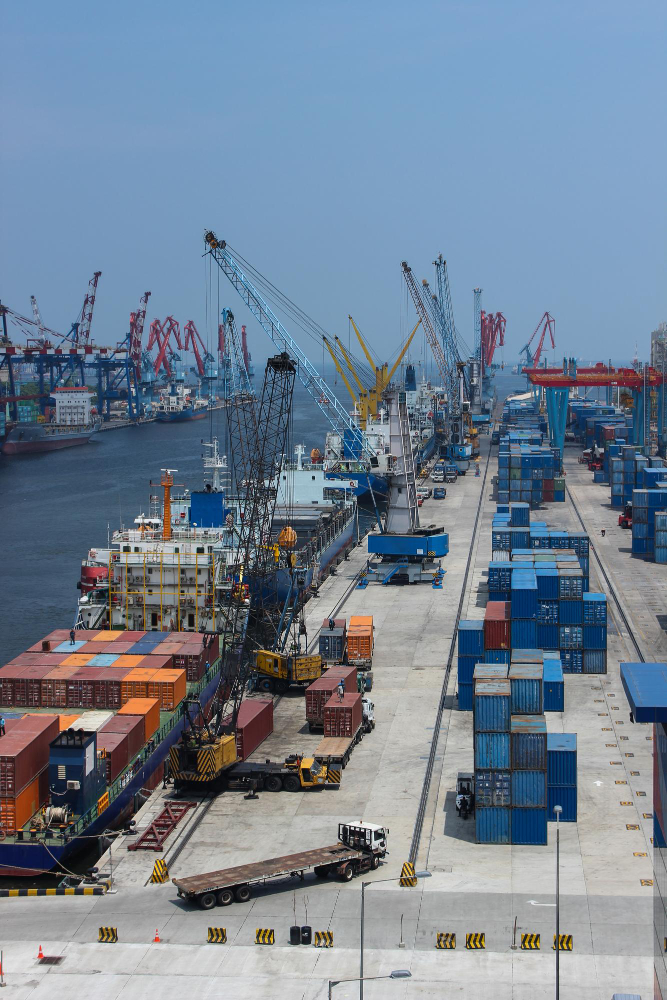
Cognitud developed a multi-year climate disclosure architecture that connected operational performance, climate science, financial analysis, and governance into a single reporting ecosystem. Rather than treating TCFD, IFRS S2, CDP, and S&P CSA as independent reporting exercises, disclosures were designed to create a consistent evidence base across all frameworks.
The programme combined CMIP6-based physical risk modelling for every operational port with scenario analysis across multiple climate futures and time horizons, enabling location-specific adaptation strategies for domestic and international assets. Transition risks were evaluated using IEA scenarios and translated into quantified financial impacts linked to revenue, EBITDA, carbon pricing, and long-term capital allocation. The reporting architecture was further strengthened through a detailed decarbonization pathway covering business-unit emissions, Scope 3 inventories, equipment electrification, renewable energy adoption, internal carbon pricing, and governance mechanisms aligned with IFRS S2 disclosure requirements.
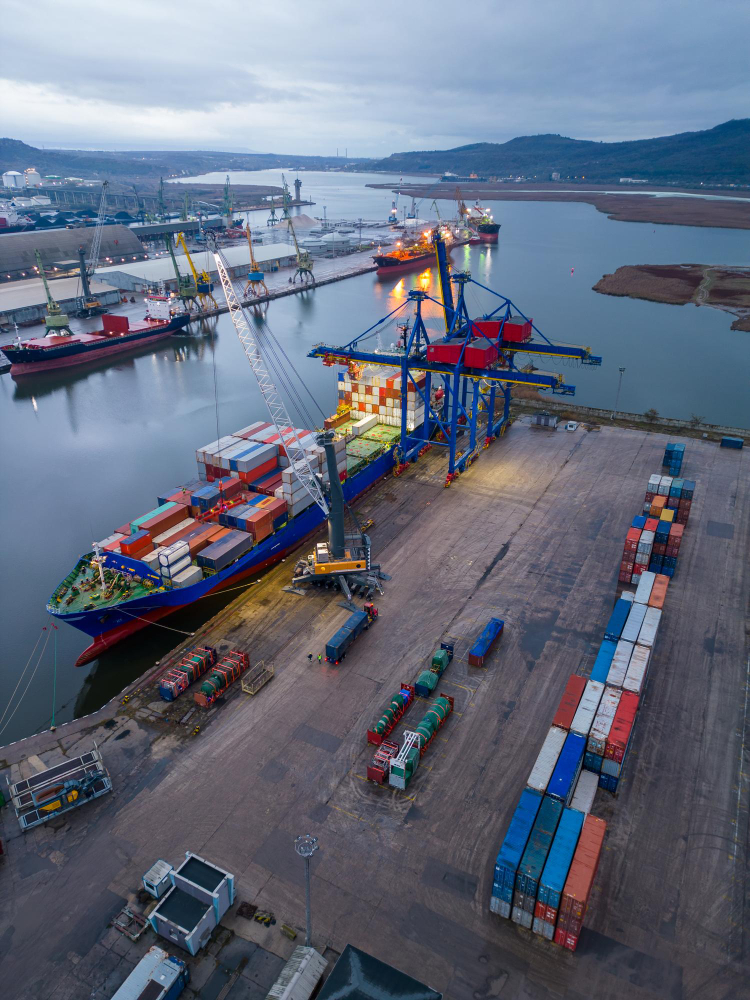
The engagement established one of the industry's most mature climate disclosure programmes, providing investors and ESG assessors with a transparent view of how climate risks are identified, evaluated, and incorporated into business decisions. The organization achieved a CDP Climate Change score of A–, secured a Top 10 global ranking in the S&P Global CSA Transport Infrastructure sector, earned ISS ESG Prime status, and received an Advanced Energy Transition rating from Moody's.
Beyond these recognitions, climate risk assessment became an operational capability rather than a reporting exercise. Physical and transition risk frameworks are now embedded within enterprise risk management and support capital allocation decisions across future decarbonization investments. By combining scientific analysis with financial quantification and governance oversight, the organization created a disclosure platform that communicates not only climate ambition, but also the business resilience underpinning it.
More case studies
Manufacturing & Industrials
Reliable manufacturing depends on thousands of maintenance and engineering items being available at the right time, in the right specification, and at the right cost.
Read more
Manufacturing & Industrials
Packaging procurement often appears straightforward until fragmented purchasing begins to erode commercial value.
Read more
Manufacturing & Industrials
End-of-life assets represent more than surplus inventory; they carry financial value, compliance obligations, and data security risks that require disciplined management.
Read moreThe next chapter of success starts with one conversation.
Talk to our Experts