

INDUSTRIESCASE STUDIES
Manufacturing & Industrials
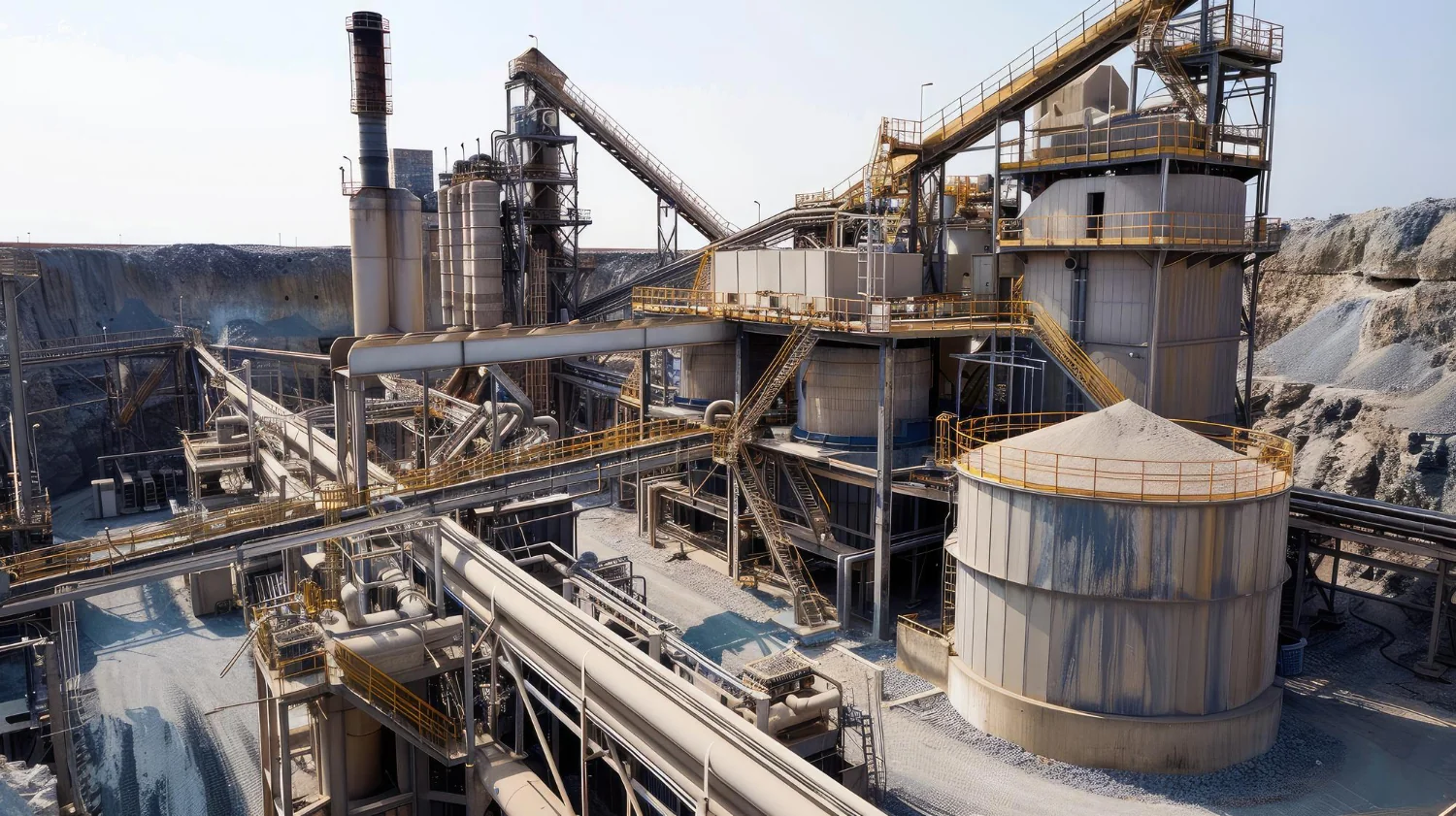
Cement production leaves a lasting footprint well beyond manufacturing facilities. Quarry development, land transformation, and long operating lifecycles mean that interactions with surrounding ecosystems continue long after extraction begins.
For a leading cement manufacturer with operations spread across ecologically sensitive landscapes, understanding where biodiversity risks existed—and how they could influence operational resilience, permitting, and future disclosures—became an increasingly important business priority.
The company's integrated plants, grinding units, and quarry sites were located across regions with distinct ecological characteristics, making biodiversity risks far from uniform. Water stress, habitat fragmentation, dust emissions, and land degradation presented varying levels of exposure across the portfolio, while evolving biodiversity regulations increased the need for a more structured and defensible assessment process. Existing environmental management practices provided valuable site-level insights but lacked a portfolio-wide perspective capable of informing strategic decision-making and disclosure readiness.
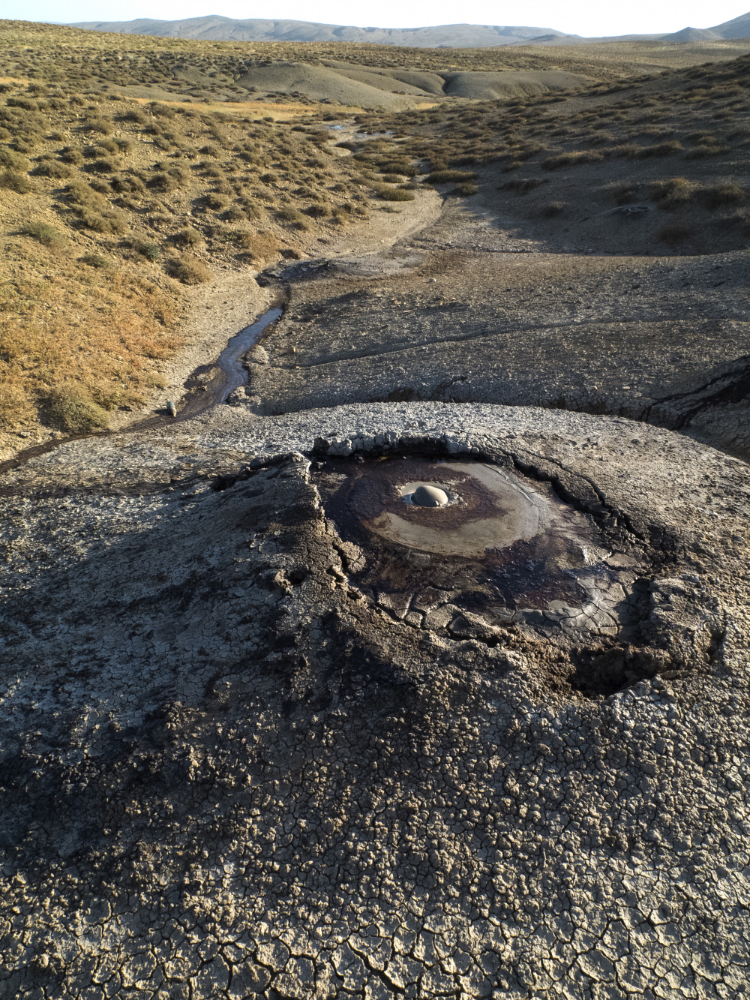
Cognitud designed and executed a biodiversity assessment that combined field-based evaluations with portfolio-level risk analysis. On-ground studies across operational sites were complemented by ENCORE, the WWF Biodiversity Risk Filter, IBAT, and the WRI Ecosystem Service Review to identify ecosystem dependencies, sensitive habitats, and biodiversity pressures throughout the cement value chain.
The findings were subsequently integrated into a TNFD LEAP assessment, enabling physical and transition risks—including water scarcity, habitat loss, erosion, and regulatory developments—to be evaluated through a consistent methodology. This formed the basis of a prioritized mitigation roadmap aligned with the TNFD hierarchy of Avoid, Reduce, Regenerate, Restore, and Transform, guiding quarry rehabilitation, ecological restoration, green belt expansion, and site-specific biodiversity action planning.
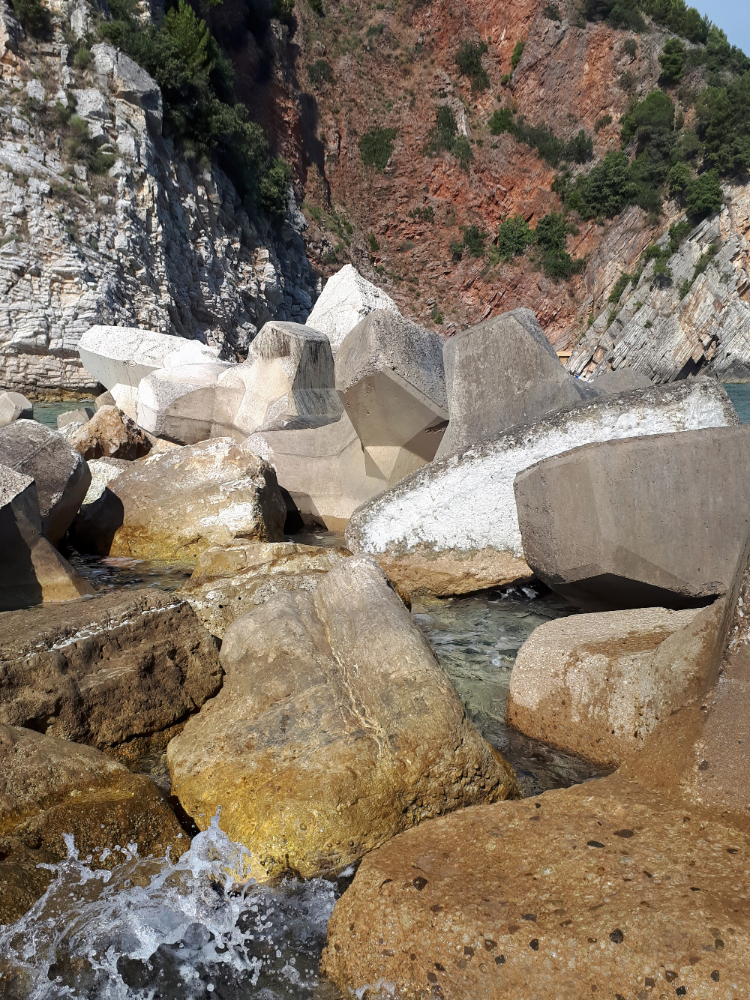
The assessment provided the organization with a portfolio-wide understanding of biodiversity risks while preserving the site-level context required for operational decision-making. High-priority ecological zones could be identified more systematically, enabling targeted restoration initiatives and stronger integration of biodiversity considerations into enterprise risk management. Beyond strengthening environmental governance, the engagement established a practical foundation for TNFD-aligned disclosures and reinforced the organization's long-term approach to nature-positive growth.
More case studies
Manufacturing & Industrials
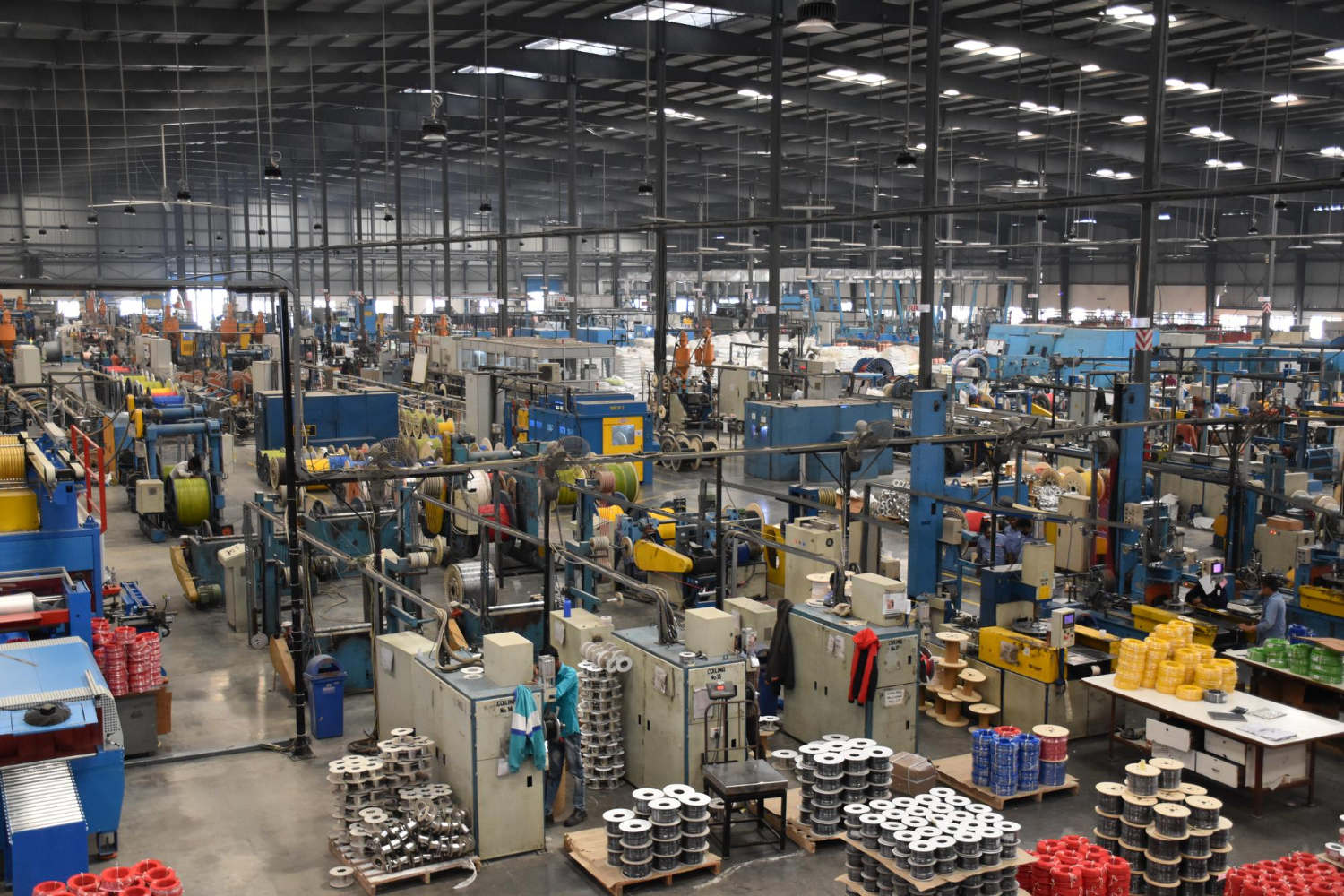
Reliable manufacturing depends on thousands of maintenance and engineering items being available at the right time, in the right specification, and at the right cost.
Read more
Manufacturing & Industrials
Packaging procurement often appears straightforward until fragmented purchasing begins to erode commercial value.
Read more
Manufacturing & Industrials
End-of-life assets represent more than surplus inventory; they carry financial value, compliance obligations, and data security risks that require disciplined management.
Read moreThe next chapter of success starts with one conversation.
Talk to our Experts