

.jpg)
29 January 2026
The U.S. Environmental Protection Agency has launched an expedited review of fluoride levels in drinking water, marking a significant shift in federal health and environmental policy under the Trump administration’s “Make America Healthy Again” (MAHA) agenda. A notice published in the Federal Register confirms that the agency has begun a fast-tracked toxicity assessment that could ultimately lead to revisions of national drinking water standards.
According to the EPA, the final assessment will help determine whether current fluoride limits under the Safe Drinking Water Act remain appropriate and will also inform future guidance from the Centers for Disease Control and Prevention. The review follows a 2024 federal court order directing the agency to strengthen its evaluation of fluoride’s potential risks, particularly regarding children’s cognitive development.
Reducing or eliminating fluoride in public water systems has become a core priority of the MAHA movement, which supports Health Secretary Robert F. Kennedy Jr. Kennedy has long opposed water fluoridation and has pledged to reverse CDC recommendations, despite the absence of scientific consensus supporting his claims. In May, the Food and Drug Administration moved to withdraw fluoride supplements for children, signaling growing momentum behind the agenda.
The EPA said the review will focus exclusively on potential harms, including impacts on brain and tooth development, and will not consider fluoride’s dental health benefits. This approach has drawn concern from public health advocates, as organizations such as the American Dental Association continue to support fluoridation, citing evidence that it reduces tooth decay by more than 25%.
The agency will open a 30-day public comment period, followed by external peer review, as pressure mounts on EPA leadership to further align environmental regulation with MAHA priorities on chemical exposure and public health.
Emerging-contaminant reviews shape utility disclosure obligations, and they cascade into chemicals, water-technology and consumer-goods positioning through supplier-audit and product-content pathways. Our sustainability-due-diligence and impact-assessment teams help clients evaluate what these reviews mean for their water-related exposure and disclosure.

• 𝘛𝘩𝘦 𝘜𝘈𝘌 𝘍𝘰𝘰𝘥 𝘉𝘢𝘯𝘬 𝘢𝘯𝘥 𝘋𝘶𝘣𝘢𝘪’𝘴 𝘊𝘰𝘮𝘮𝘶𝘯𝘪𝘵𝘺 𝘋𝘦𝘷𝘦𝘭𝘰𝘱𝘮𝘦𝘯𝘵 𝘈𝘶𝘵𝘩𝘰𝘳𝘪𝘵𝘺 (𝘊𝘋𝘈) 𝘩𝘢𝘷𝘦 𝘴𝘪𝘨𝘯𝘦𝘥 𝘢𝘯 𝘢𝘨𝘳𝘦𝘦𝘮𝘦𝘯𝘵 𝘵𝘰 𝘤𝘰𝘭𝘭𝘦𝘤𝘵 𝘢𝘯𝘥 𝘳𝘦𝘥𝘪𝘴𝘵𝘳𝘪𝘣𝘶𝘵𝘦 𝘴𝘶𝘳𝘱𝘭𝘶𝘴 𝘧𝘰𝘰𝘥 𝘧𝘳𝘰𝘮 𝘸𝘦𝘥𝘥𝘪𝘯𝘨𝘴 𝘢𝘯𝘥 𝘦𝘷𝘦𝘯𝘵𝘴. • 𝘛𝘩𝘦 𝘪𝘯𝘪𝘵𝘪𝘢𝘵𝘪𝘷𝘦 𝘸𝘪𝘭𝘭 𝘧𝘰𝘭𝘭𝘰𝘸 𝘢𝘱𝘱𝘳𝘰𝘷𝘦𝘥…
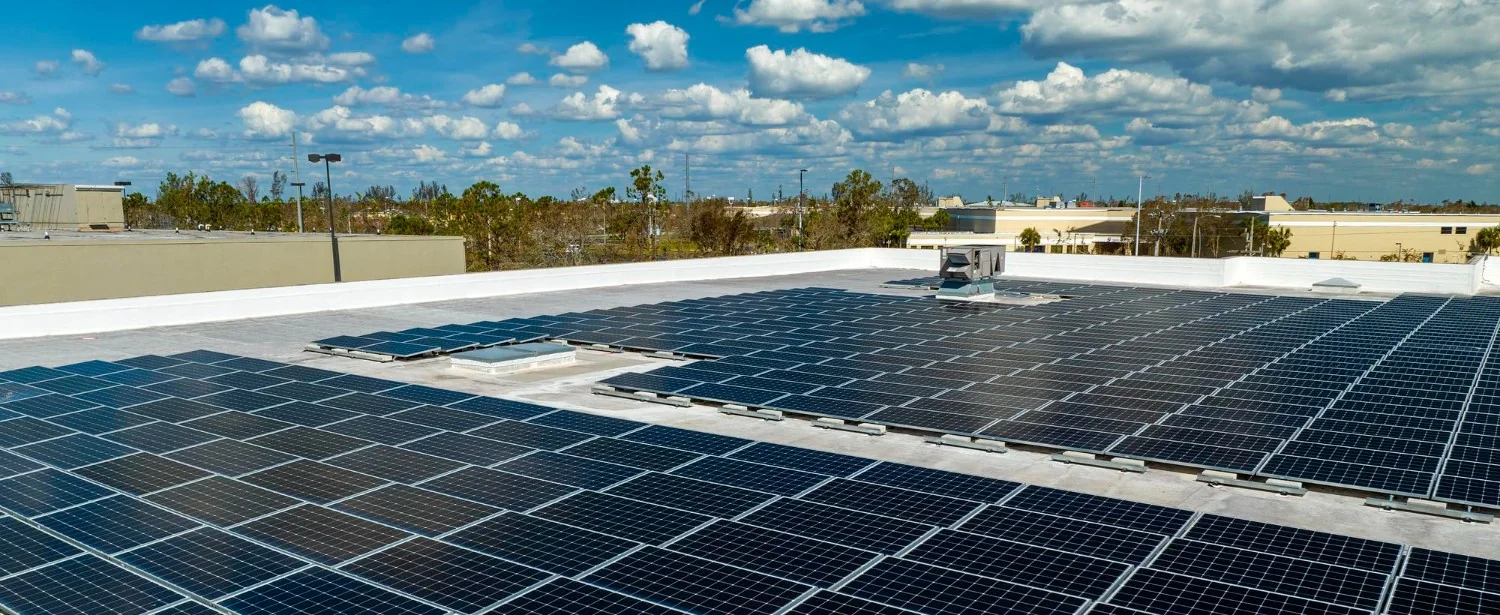
<ul><li><i>India’s rooftop solar capacity reached 30.7 GW in July 2026, increasing the need for better grid management and flexibility.</i></li><li><i>Kerala and Maharashtra are exploring battery ener…

• 𝘛𝘩𝘦 𝘌𝘐𝘉 𝘎𝘳𝘰𝘶𝘱 𝘱𝘭𝘢𝘯𝘴 𝘵𝘰 𝘱𝘳𝘰𝘷𝘪𝘥𝘦 𝘢𝘵 𝘭𝘦𝘢𝘴𝘵 €30 𝘣𝘪𝘭𝘭𝘪𝘰𝘯 𝘧𝘰𝘳 𝘤𝘭𝘪𝘮𝘢𝘵𝘦 𝘢𝘥𝘢𝘱𝘵𝘢𝘵𝘪𝘰𝘯 𝘣𝘦𝘵𝘸𝘦𝘦𝘯 2026 𝘢𝘯𝘥 2030. • 𝘛𝘩𝘦 𝘯𝘦𝘸 𝘵𝘢𝘳𝘨𝘦𝘵 𝘥𝘰𝘶𝘣𝘭𝘦𝘴 𝘢𝘥𝘢𝘱𝘵𝘢𝘵𝘪𝘰𝘯 𝘧𝘪𝘯𝘢𝘯𝘤𝘪𝘯𝘨 𝘤𝘰𝘮𝘱𝘢𝘳𝘦𝘥 𝘸𝘪𝘵𝘩 𝘵𝘩𝘦 𝘱𝘳𝘦𝘷𝘪𝘰𝘶𝘴 𝘧𝘪𝘷𝘦-𝘺𝘦𝘢𝘳 𝘱𝘦𝘳𝘪𝘰𝘥. • 𝘍𝘶𝘯𝘥𝘪𝘯𝘨…