

30 January 2026
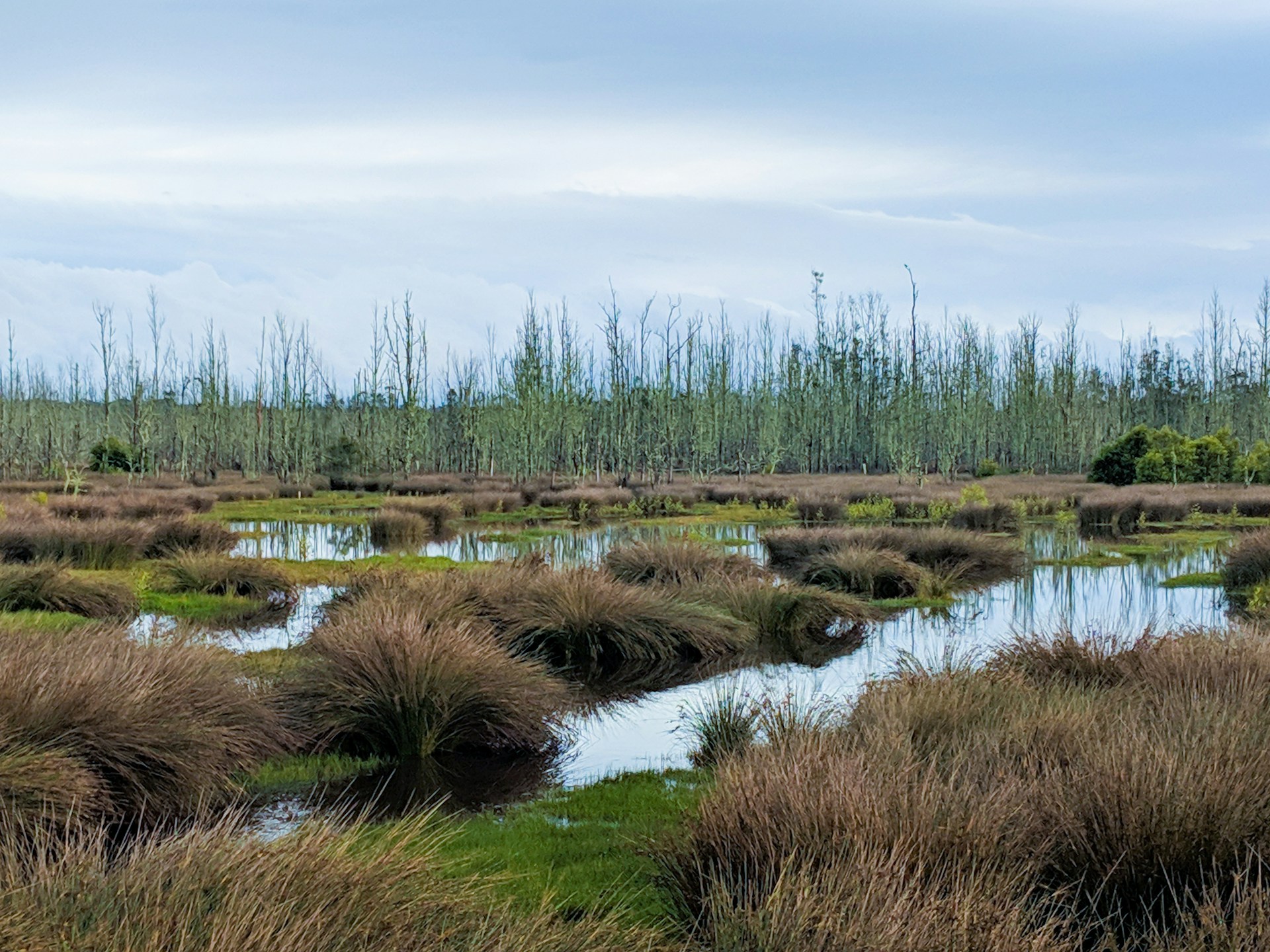
South Australia has launched a large-scale wetlands restoration programme aimed at revitalising critical ecosystems across more than 30 wetland sites, including internationally recognised Ramsar wetlands such as the Coorong, Lower Lakes and Murray Mouth. The Shorebird and Wetland Habitat (SaWH) programme will support 25 separate projects spanning about 120 kilometres of habitat, with funding of $17 million from both state and federal governments.
The initiative focuses on restoring habitat that has been degraded by water mismanagement, invasive species and altered hydrological flows, with a view to strengthening resilience for native plants and animals. Many of the sites targeted are part of the critically endangered Lower Murray River ecosystem, where shorebirds and waterbirds - both resident and migratory - depend on a mosaic of healthy wetland environments for feeding, breeding and resting during long seasonal journeys.
Projects under the programme include a range of biodiversity and hydrology interventions.
Examples include upgrading water management infrastructure at Butchers Lake to improve water availability and foraging habitat, enhancing connectivity in the Grey Creek Channel network to support aquatic species, and expanding wetland areas like the Mount Burr Swamp Habitat Restoration Reserve with structures to prevent pest fish from decimating frog populations.
Collaborations with First Nations groups and local communities ensure that cultural values and traditional ecological knowledge are integrated into restoration planning.
Officials emphasise that the programme will not only expand and improve habitat quality for threatened species, but also help restore ecological function across a broader landscape. By strengthening vegetation, managing invasive species and enhancing water flows, the restoration work is expected to increase the resilience of these wetlands to climate pressures, boost biodiversity and support long-term sustainability of the region’s natural systems.
Wetlands restoration at 35-site scale generates the ecological baseline data that biodiversity credits and TNFD-aligned disclosure will increasingly rely on. Our nature-based-solutions and impact-assessment teams help clients evaluate biodiversity-restoration participation and disclosure alignment.

• 𝘛𝘩𝘦 𝘜𝘈𝘌 𝘍𝘰𝘰𝘥 𝘉𝘢𝘯𝘬 𝘢𝘯𝘥 𝘋𝘶𝘣𝘢𝘪’𝘴 𝘊𝘰𝘮𝘮𝘶𝘯𝘪𝘵𝘺 𝘋𝘦𝘷𝘦𝘭𝘰𝘱𝘮𝘦𝘯𝘵 𝘈𝘶𝘵𝘩𝘰𝘳𝘪𝘵𝘺 (𝘊𝘋𝘈) 𝘩𝘢𝘷𝘦 𝘴𝘪𝘨𝘯𝘦𝘥 𝘢𝘯 𝘢𝘨𝘳𝘦𝘦𝘮𝘦𝘯𝘵 𝘵𝘰 𝘤𝘰𝘭𝘭𝘦𝘤𝘵 𝘢𝘯𝘥 𝘳𝘦𝘥𝘪𝘴𝘵𝘳𝘪𝘣𝘶𝘵𝘦 𝘴𝘶𝘳𝘱𝘭𝘶𝘴 𝘧𝘰𝘰𝘥 𝘧𝘳𝘰𝘮 𝘸𝘦𝘥𝘥𝘪𝘯𝘨𝘴 𝘢𝘯𝘥 𝘦𝘷𝘦𝘯𝘵𝘴. • 𝘛𝘩𝘦 𝘪𝘯𝘪𝘵𝘪𝘢𝘵𝘪𝘷𝘦 𝘸𝘪𝘭𝘭 𝘧𝘰𝘭𝘭𝘰𝘸 𝘢𝘱𝘱𝘳𝘰𝘷𝘦𝘥…

<ul><li><i>India’s rooftop solar capacity reached 30.7 GW in July 2026, increasing the need for better grid management and flexibility.</i></li><li><i>Kerala and Maharashtra are exploring battery ener…

• 𝘛𝘩𝘦 𝘌𝘐𝘉 𝘎𝘳𝘰𝘶𝘱 𝘱𝘭𝘢𝘯𝘴 𝘵𝘰 𝘱𝘳𝘰𝘷𝘪𝘥𝘦 𝘢𝘵 𝘭𝘦𝘢𝘴𝘵 €30 𝘣𝘪𝘭𝘭𝘪𝘰𝘯 𝘧𝘰𝘳 𝘤𝘭𝘪𝘮𝘢𝘵𝘦 𝘢𝘥𝘢𝘱𝘵𝘢𝘵𝘪𝘰𝘯 𝘣𝘦𝘵𝘸𝘦𝘦𝘯 2026 𝘢𝘯𝘥 2030. • 𝘛𝘩𝘦 𝘯𝘦𝘸 𝘵𝘢𝘳𝘨𝘦𝘵 𝘥𝘰𝘶𝘣𝘭𝘦𝘴 𝘢𝘥𝘢𝘱𝘵𝘢𝘵𝘪𝘰𝘯 𝘧𝘪𝘯𝘢𝘯𝘤𝘪𝘯𝘨 𝘤𝘰𝘮𝘱𝘢𝘳𝘦𝘥 𝘸𝘪𝘵𝘩 𝘵𝘩𝘦 𝘱𝘳𝘦𝘷𝘪𝘰𝘶𝘴 𝘧𝘪𝘷𝘦-𝘺𝘦𝘢𝘳 𝘱𝘦𝘳𝘪𝘰𝘥. • 𝘍𝘶𝘯𝘥𝘪𝘯𝘨…