


30 January 2026
Indonesia has unveiled its 2026 tourism strategy, emphasising quality-led, experience-driven growth and sustainable development as the country moves beyond traditional volume-based approaches. The plan identifies key source markets - including Australia, Singapore, Malaysia, Timor-Leste and China - as crucial partners in achieving its ambitious target of welcoming between 16 million and 17 million foreign visitors this year.
Central to this strategy is a shift toward premium travel experiences and environmental stewardship. Rather than solely chasing large visitor numbers, Indonesian authorities are seeking to attract tourists who are interested in deeper cultural immersion, wellness travel, marine and nature-based tourism, and heritage exploration. These offerings are designed to enhance the value of tourism revenue and reduce the environmental pressures associated with mass tourism.
To support these objectives, the government is expanding its portfolio of priority destinations beyond traditional hotspots like Bali to include Lake Toba, Mandalika, Labuan Bajo, Raja Ampat and other emerging sites, which are being promoted for their ecological and cultural richness. This diversified approach not only helps distribute tourism benefits more evenly across the archipelago but also encourages responsible visitation that preserves natural and cultural assets for the long term.
Economic integration and infrastructure upgrades also play a key role in the plan. Investments in transportation connectivity, digital tourism services, and tourism governance reform aim to make Indonesia more accessible and competitive while reinforcing sustainability principles.
The tourism sector’s contribution to the national economy is expected to grow through higher visitor spending, job creation, and enhanced linkages with local communities - all while aligning with broader environmental and social goals.
Indonesia's sustainable-tourism partnership approach reshapes what hospitality operators and destination-marketing organisations across ASEAN need to build, and it raises certification and disclosure bars for the whole regional pipeline. Our impact-assessment and nature-based-solutions teams help clients evaluate sustainable-tourism positioning and impact-linked disclosure.

• 𝘛𝘩𝘦 𝘜𝘈𝘌 𝘍𝘰𝘰𝘥 𝘉𝘢𝘯𝘬 𝘢𝘯𝘥 𝘋𝘶𝘣𝘢𝘪’𝘴 𝘊𝘰𝘮𝘮𝘶𝘯𝘪𝘵𝘺 𝘋𝘦𝘷𝘦𝘭𝘰𝘱𝘮𝘦𝘯𝘵 𝘈𝘶𝘵𝘩𝘰𝘳𝘪𝘵𝘺 (𝘊𝘋𝘈) 𝘩𝘢𝘷𝘦 𝘴𝘪𝘨𝘯𝘦𝘥 𝘢𝘯 𝘢𝘨𝘳𝘦𝘦𝘮𝘦𝘯𝘵 𝘵𝘰 𝘤𝘰𝘭𝘭𝘦𝘤𝘵 𝘢𝘯𝘥 𝘳𝘦𝘥𝘪𝘴𝘵𝘳𝘪𝘣𝘶𝘵𝘦 𝘴𝘶𝘳𝘱𝘭𝘶𝘴 𝘧𝘰𝘰𝘥 𝘧𝘳𝘰𝘮 𝘸𝘦𝘥𝘥𝘪𝘯𝘨𝘴 𝘢𝘯𝘥 𝘦𝘷𝘦𝘯𝘵𝘴. • 𝘛𝘩𝘦 𝘪𝘯𝘪𝘵𝘪𝘢𝘵𝘪𝘷𝘦 𝘸𝘪𝘭𝘭 𝘧𝘰𝘭𝘭𝘰𝘸 𝘢𝘱𝘱𝘳𝘰𝘷𝘦𝘥…
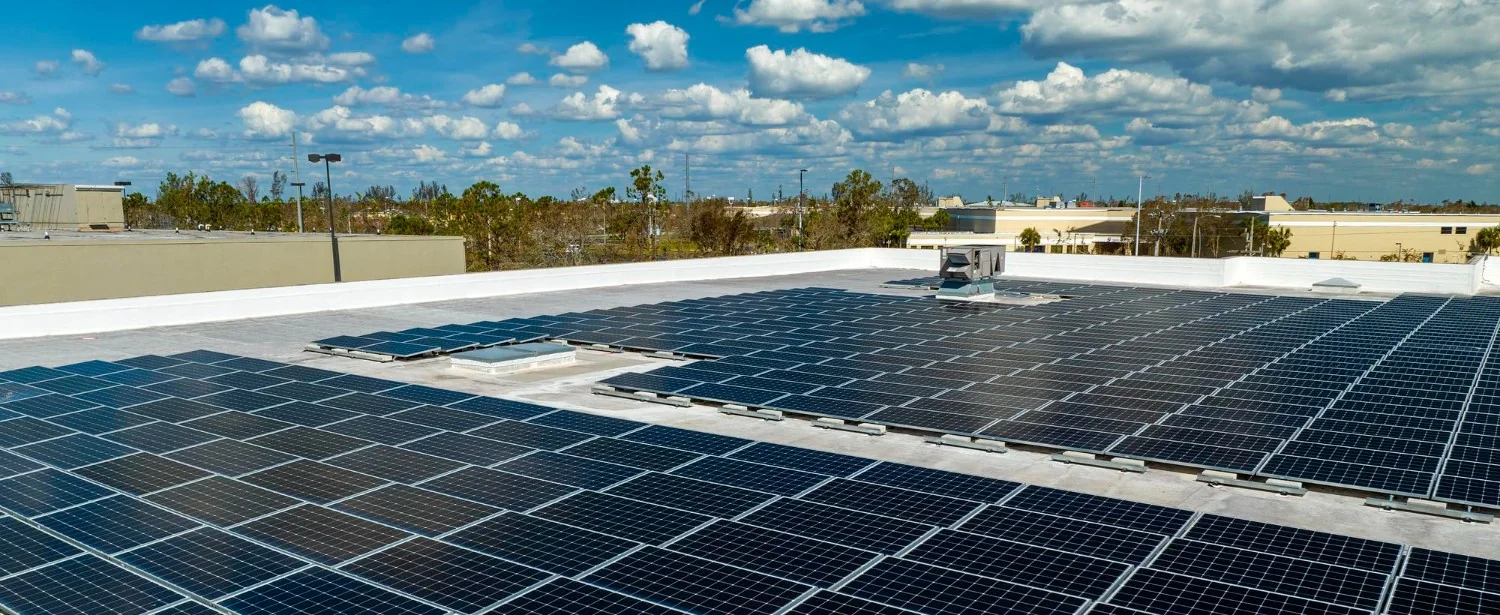
<ul><li><i>India’s rooftop solar capacity reached 30.7 GW in July 2026, increasing the need for better grid management and flexibility.</i></li><li><i>Kerala and Maharashtra are exploring battery ener…

• 𝘛𝘩𝘦 𝘌𝘐𝘉 𝘎𝘳𝘰𝘶𝘱 𝘱𝘭𝘢𝘯𝘴 𝘵𝘰 𝘱𝘳𝘰𝘷𝘪𝘥𝘦 𝘢𝘵 𝘭𝘦𝘢𝘴𝘵 €30 𝘣𝘪𝘭𝘭𝘪𝘰𝘯 𝘧𝘰𝘳 𝘤𝘭𝘪𝘮𝘢𝘵𝘦 𝘢𝘥𝘢𝘱𝘵𝘢𝘵𝘪𝘰𝘯 𝘣𝘦𝘵𝘸𝘦𝘦𝘯 2026 𝘢𝘯𝘥 2030. • 𝘛𝘩𝘦 𝘯𝘦𝘸 𝘵𝘢𝘳𝘨𝘦𝘵 𝘥𝘰𝘶𝘣𝘭𝘦𝘴 𝘢𝘥𝘢𝘱𝘵𝘢𝘵𝘪𝘰𝘯 𝘧𝘪𝘯𝘢𝘯𝘤𝘪𝘯𝘨 𝘤𝘰𝘮𝘱𝘢𝘳𝘦𝘥 𝘸𝘪𝘵𝘩 𝘵𝘩𝘦 𝘱𝘳𝘦𝘷𝘪𝘰𝘶𝘴 𝘧𝘪𝘷𝘦-𝘺𝘦𝘢𝘳 𝘱𝘦𝘳𝘪𝘰𝘥. • 𝘍𝘶𝘯𝘥𝘪𝘯𝘨…