

15 January 2026
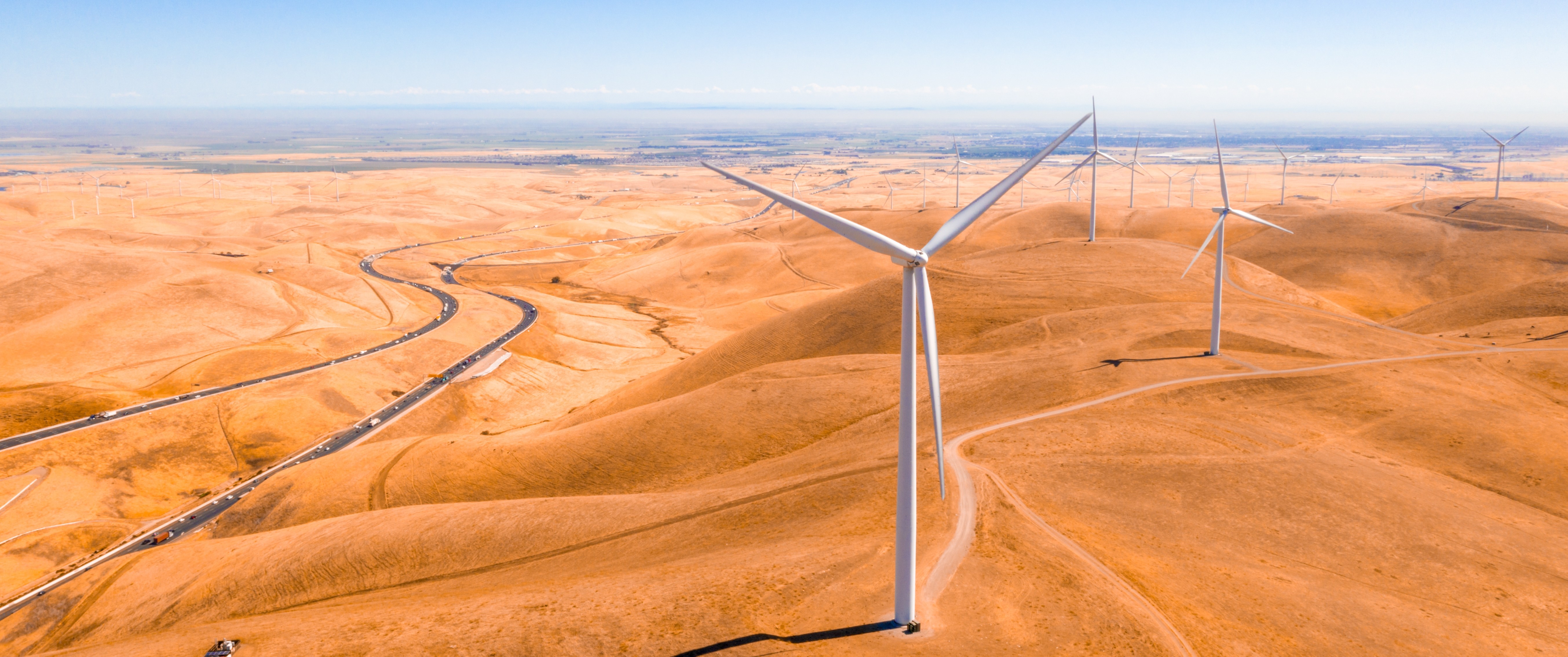
The United Arab Emirates announced that its installed renewable energy capacity has exceeded 7.7 gigawatts (GW), marking a significant milestone in the nation’s energy transition. The announcement was made by Suhail bin Mohammed Al Mazrouei, the UAE’s Minister of Energy and Infrastructure, during Abu Dhabi Sustainability Week 2026, where he highlighted the rapid expansion of clean energy infrastructure as a cornerstone of the country’s climate strategy.
According to the minister, the UAE’s renewable energy capacity has grown by approximately 117 percent between 2022 and 2025, underscoring the effectiveness of targeted policies, strategic investments and sustainable development planning. Current projects under construction and in advanced stages of planning are expected to boost total renewable capacity to more than 23 GW by 2031, further accelerating the nation’s shift away from fossil‑fuel‑dependent power generation.
National investment in the renewable and clean energy sector has reportedly surpassed AED 190 billion (approximately US $51 billion), reflecting strong confidence from both public and private stakeholders in the UAE’s energy transition pathway. This funding supports large‑scale solar projects, integration of renewable technologies and initiatives that aim to expand the share of clean energy in the country’s power mix to 35 percent by 2031.
The expansion of renewable capacity aligns with the UAE’s broader sustainability objectives, including its Net Zero by 2050 strategic framework and ongoing efforts to diversify energy sources, enhance grid resilience and reduce greenhouse gas emissions. Officials also emphasised that integrating the National Hydrogen Strategy 2050 into energy planning will further support the development of low‑carbon energy systems, positioning the UAE as a regional leader in sustainable energy transformation.
Crossing 7.7 GW of UAE renewable capacity is a real inflection point, and it changes what corporates operating in the country can credibly claim in Scope 2 disclosure. Our energy-transition and market-intelligence teams help clients evaluate what accelerated deployment means for PPA optionality and disclosure narrative.

• 𝘛𝘩𝘦 𝘜𝘈𝘌 𝘍𝘰𝘰𝘥 𝘉𝘢𝘯𝘬 𝘢𝘯𝘥 𝘋𝘶𝘣𝘢𝘪’𝘴 𝘊𝘰𝘮𝘮𝘶𝘯𝘪𝘵𝘺 𝘋𝘦𝘷𝘦𝘭𝘰𝘱𝘮𝘦𝘯𝘵 𝘈𝘶𝘵𝘩𝘰𝘳𝘪𝘵𝘺 (𝘊𝘋𝘈) 𝘩𝘢𝘷𝘦 𝘴𝘪𝘨𝘯𝘦𝘥 𝘢𝘯 𝘢𝘨𝘳𝘦𝘦𝘮𝘦𝘯𝘵 𝘵𝘰 𝘤𝘰𝘭𝘭𝘦𝘤𝘵 𝘢𝘯𝘥 𝘳𝘦𝘥𝘪𝘴𝘵𝘳𝘪𝘣𝘶𝘵𝘦 𝘴𝘶𝘳𝘱𝘭𝘶𝘴 𝘧𝘰𝘰𝘥 𝘧𝘳𝘰𝘮 𝘸𝘦𝘥𝘥𝘪𝘯𝘨𝘴 𝘢𝘯𝘥 𝘦𝘷𝘦𝘯𝘵𝘴. • 𝘛𝘩𝘦 𝘪𝘯𝘪𝘵𝘪𝘢𝘵𝘪𝘷𝘦 𝘸𝘪𝘭𝘭 𝘧𝘰𝘭𝘭𝘰𝘸 𝘢𝘱𝘱𝘳𝘰𝘷𝘦𝘥…
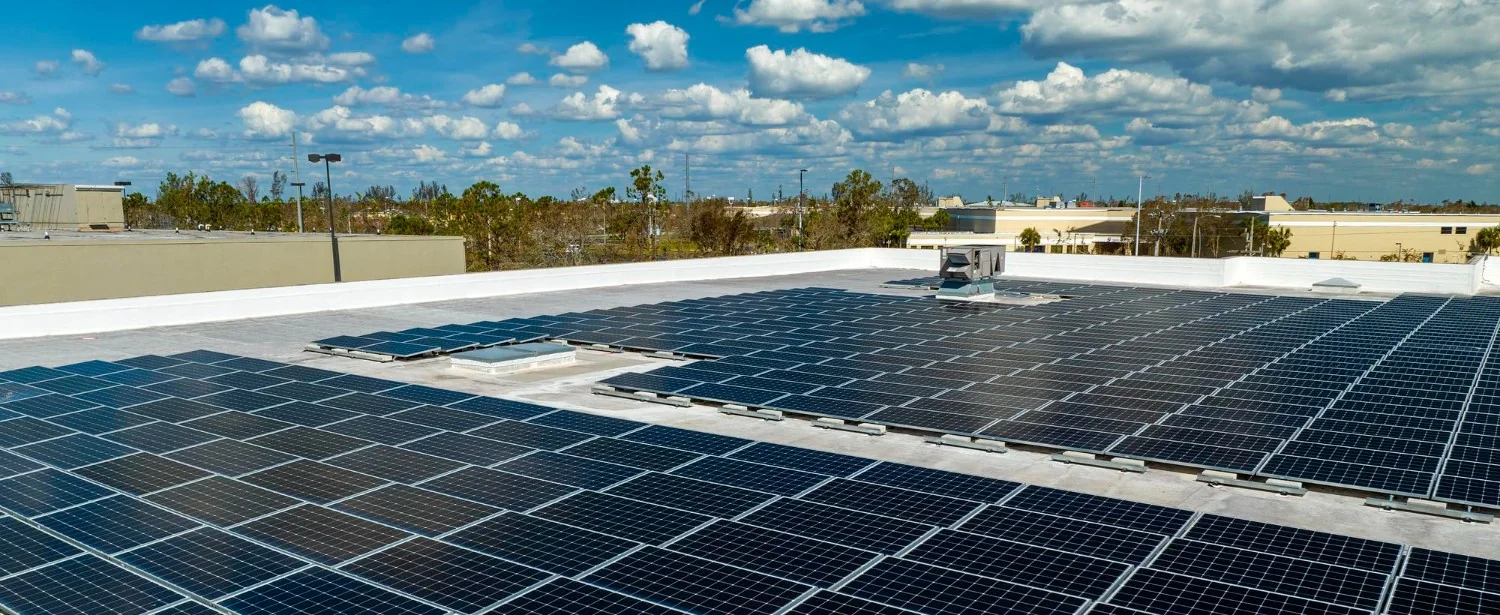
<ul><li><i>India’s rooftop solar capacity reached 30.7 GW in July 2026, increasing the need for better grid management and flexibility.</i></li><li><i>Kerala and Maharashtra are exploring battery ener…

• 𝘛𝘩𝘦 𝘌𝘐𝘉 𝘎𝘳𝘰𝘶𝘱 𝘱𝘭𝘢𝘯𝘴 𝘵𝘰 𝘱𝘳𝘰𝘷𝘪𝘥𝘦 𝘢𝘵 𝘭𝘦𝘢𝘴𝘵 €30 𝘣𝘪𝘭𝘭𝘪𝘰𝘯 𝘧𝘰𝘳 𝘤𝘭𝘪𝘮𝘢𝘵𝘦 𝘢𝘥𝘢𝘱𝘵𝘢𝘵𝘪𝘰𝘯 𝘣𝘦𝘵𝘸𝘦𝘦𝘯 2026 𝘢𝘯𝘥 2030. • 𝘛𝘩𝘦 𝘯𝘦𝘸 𝘵𝘢𝘳𝘨𝘦𝘵 𝘥𝘰𝘶𝘣𝘭𝘦𝘴 𝘢𝘥𝘢𝘱𝘵𝘢𝘵𝘪𝘰𝘯 𝘧𝘪𝘯𝘢𝘯𝘤𝘪𝘯𝘨 𝘤𝘰𝘮𝘱𝘢𝘳𝘦𝘥 𝘸𝘪𝘵𝘩 𝘵𝘩𝘦 𝘱𝘳𝘦𝘷𝘪𝘰𝘶𝘴 𝘧𝘪𝘷𝘦-𝘺𝘦𝘢𝘳 𝘱𝘦𝘳𝘪𝘰𝘥. • 𝘍𝘶𝘯𝘥𝘪𝘯𝘨…