

.jpg)
26 February 2026
On February 26, 2026, representatives of the European steel industry urged the European Union to include steel in the bloc’s upcoming “Made in Europe” industrial policy initiative, arguing that priority rules for locally produced materials should extend to low-carbon steel to support the sector’s decarbonisation efforts. The call comes as the EU prepares the Industrial Accelerator Act, designed to prioritise use of locally manufactured products when public funds are used.
The policy - expected to be formally proposed in early March 2026 - currently targets strategic sectors such as batteries, solar and wind energy, hydrogen production, nuclear power, and electric vehicles. However, steel is not clearly included in the draft proposal, prompting concern from industry advocates and associations.
Axel Eggert, Director General of Eurofer (the European Steel Association), stressed that if the EU truly aims to accelerate investment in decarbonisation technologies, steel - especially low-carbon steel - must be part of the priority list.
He also called for a narrow definition of “local” to include only nearby EU neighbours with compatible industrial standards, such as the United Kingdom and Norway, while excluding regions like the Middle East, North Africa, India, and Vietnam, which are seen as sources of excess capacity and slower decarbonisation progress.
The disagreement over geographic scope has already delayed the proposal’s roll-out. Industry groups argue that harmonising procurement preferences with partners that maintain similar environmental and labour standards would boost competitiveness and prevent overcapacity from undermining EU climate and economic goals. The outcome of these discussions will shape how the EU supports its industrial base while advancing sustainability objectives in strategic supply chains.
EU steel-sector lobbying for Made-in-Europe protection reflects genuine competitive pressure, and how the Act balances competitiveness with green-steel expansion will shape the sector for a decade. Our supply-chain-and-operations and market-intelligence teams help clients evaluate what these policies mean for green-steel sourcing, CBAM alignment and disclosure narrative.
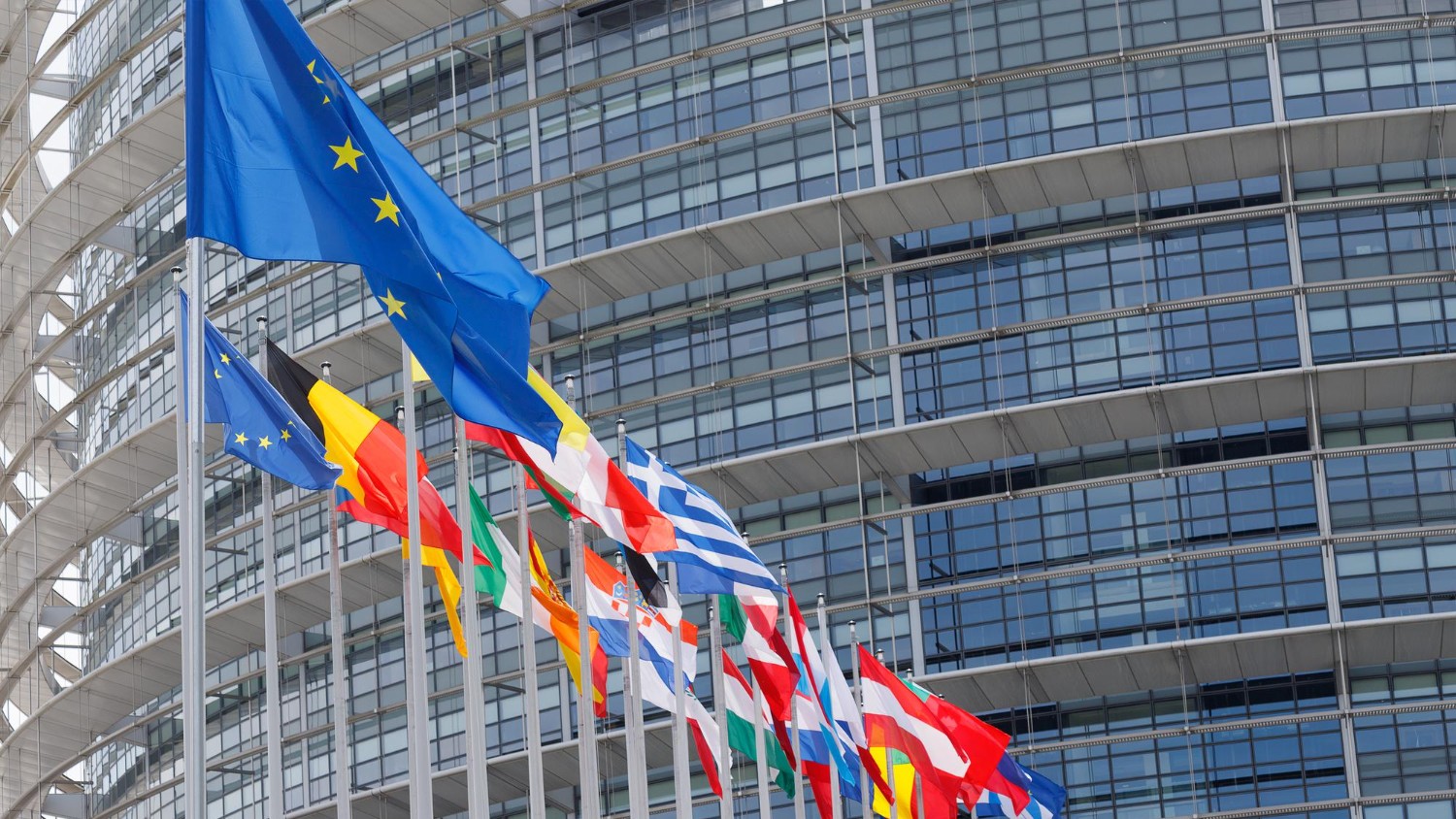
• 𝘛𝘩𝘦 𝘌𝘶𝘳𝘰𝘱𝘦𝘢𝘯 𝘜𝘯𝘪𝘰𝘯 𝘱𝘭𝘢𝘯𝘴 𝘵𝘰 𝘱𝘶𝘳𝘴𝘶𝘦 𝘢𝘯 𝘪𝘮𝘱𝘭𝘦𝘮𝘦𝘯𝘵𝘢𝘵𝘪𝘰𝘯-𝘧𝘰𝘤𝘶𝘴𝘦𝘥 𝘨𝘭𝘰𝘣𝘢𝘭 𝘦𝘮𝘪𝘴𝘴𝘪𝘰𝘯𝘴 𝘳𝘦𝘥𝘶𝘤𝘵𝘪𝘰𝘯 𝘢𝘨𝘳𝘦𝘦𝘮𝘦𝘯𝘵 𝘢𝘵 𝘊𝘖𝘗31 𝘪𝘯 𝘛𝘶𝘳𝘬𝘦𝘺. • 𝘛𝘩𝘦 𝘱𝘳𝘰𝘱𝘰𝘴𝘢𝘭 𝘴𝘦𝘦𝘬𝘴 𝘵𝘰 𝘦𝘹𝘵𝘦𝘯𝘥 𝘵𝘩𝘦 𝘜𝘯𝘪𝘵𝘦𝘥 𝘕𝘢𝘵𝘪𝘰𝘯𝘴’ 𝘮𝘪𝘵𝘪𝘨𝘢𝘵𝘪𝘰𝘯 𝘸𝘰𝘳𝘬 𝘱𝘳𝘰𝘨𝘳𝘢𝘮𝘮𝘦 𝘶𝘯𝘵…
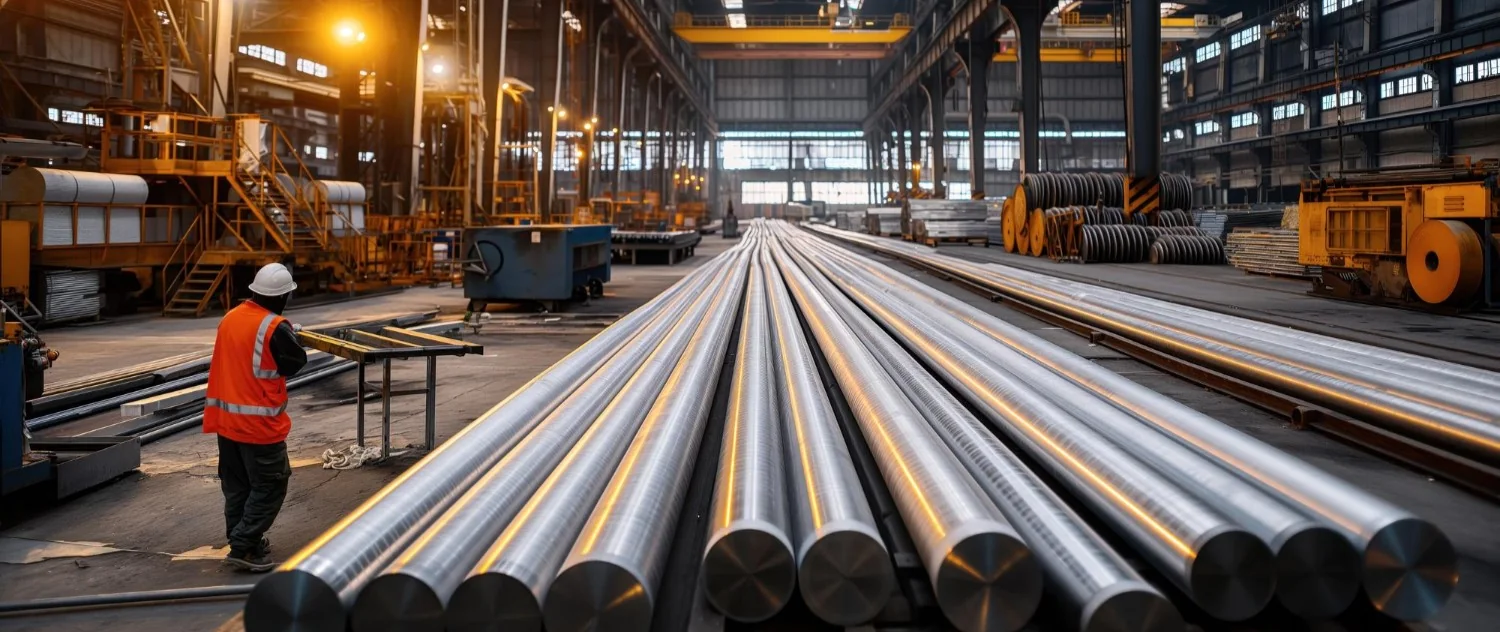
<ul><li><i>India’s draft National Steel Policy – Vision 2047 targets increasing steelmaking capacity from approximately 220 million tonnes to 604 million tonnes by 2047.</i></li><li><i>The proposal ai…
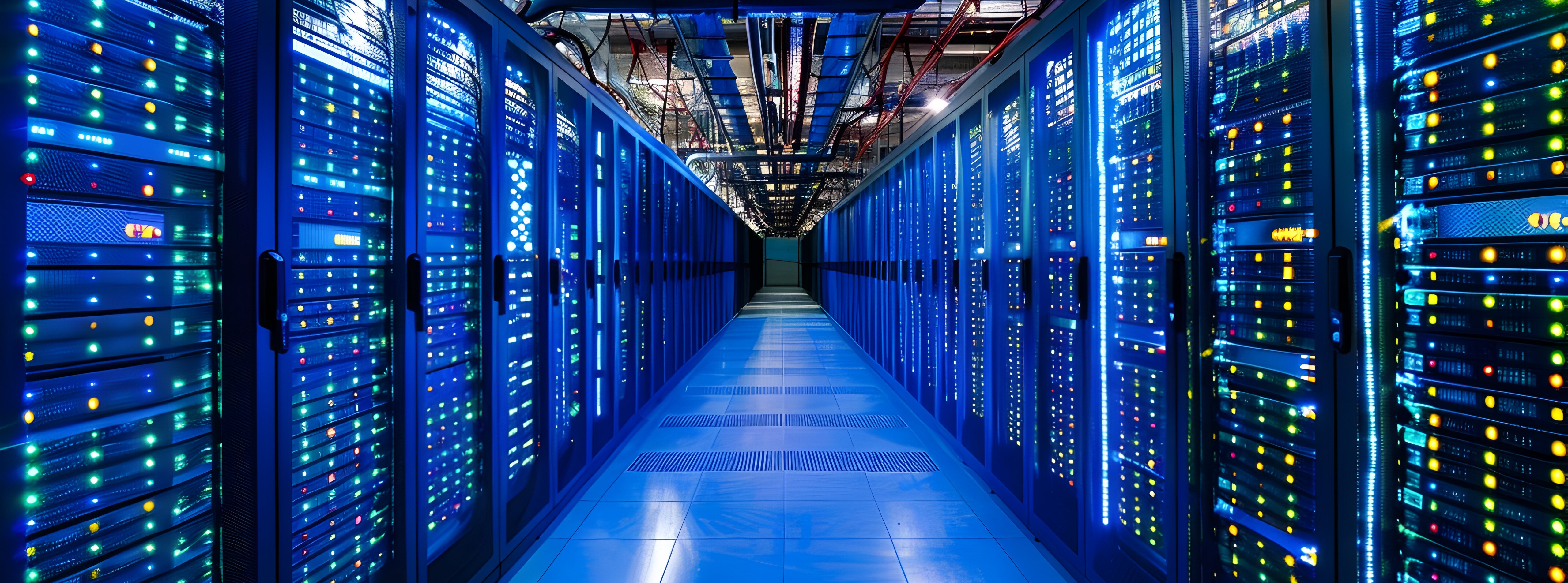
• 𝘚𝘪𝘯𝘨𝘢𝘱𝘰𝘳𝘦’𝘴 𝘯𝘦𝘸 𝘋𝘪𝘨𝘪𝘵𝘢𝘭 𝘐𝘯𝘧𝘳𝘢𝘴𝘵𝘳𝘶𝘤𝘵𝘶𝘳𝘦 𝘉𝘪𝘭𝘭 𝘪𝘯𝘵𝘳𝘰𝘥𝘶𝘤𝘦𝘴 𝘣𝘪𝘯𝘥𝘪𝘯𝘨 𝘦𝘯𝘦𝘳𝘨𝘺-𝘦𝘧𝘧𝘪𝘤𝘪𝘦𝘯𝘤𝘺 𝘳𝘦𝘲𝘶𝘪𝘳𝘦𝘮𝘦𝘯𝘵𝘴 𝘧𝘰𝘳 𝘥𝘢𝘵𝘢 𝘤𝘦𝘯𝘵𝘳𝘦𝘴. • 𝘍𝘢𝘤𝘪𝘭𝘪𝘵𝘪𝘦𝘴 𝘸𝘪𝘵𝘩 𝘢 𝘤𝘳𝘪𝘵𝘪𝘤𝘢𝘭 𝘐𝘛 𝘭𝘰𝘢𝘥 𝘰𝘧 3 𝘔𝘞 𝘰𝘳 𝘮𝘰𝘳𝘦 𝘮𝘶𝘴𝘵 𝘰𝘣𝘵𝘢𝘪𝘯 𝘭𝘪𝘤𝘦𝘯𝘤𝘦𝘴 𝘢𝘯𝘥 𝘮𝘦𝘦𝘵 𝘳𝘦𝘨…