

25 November 2025
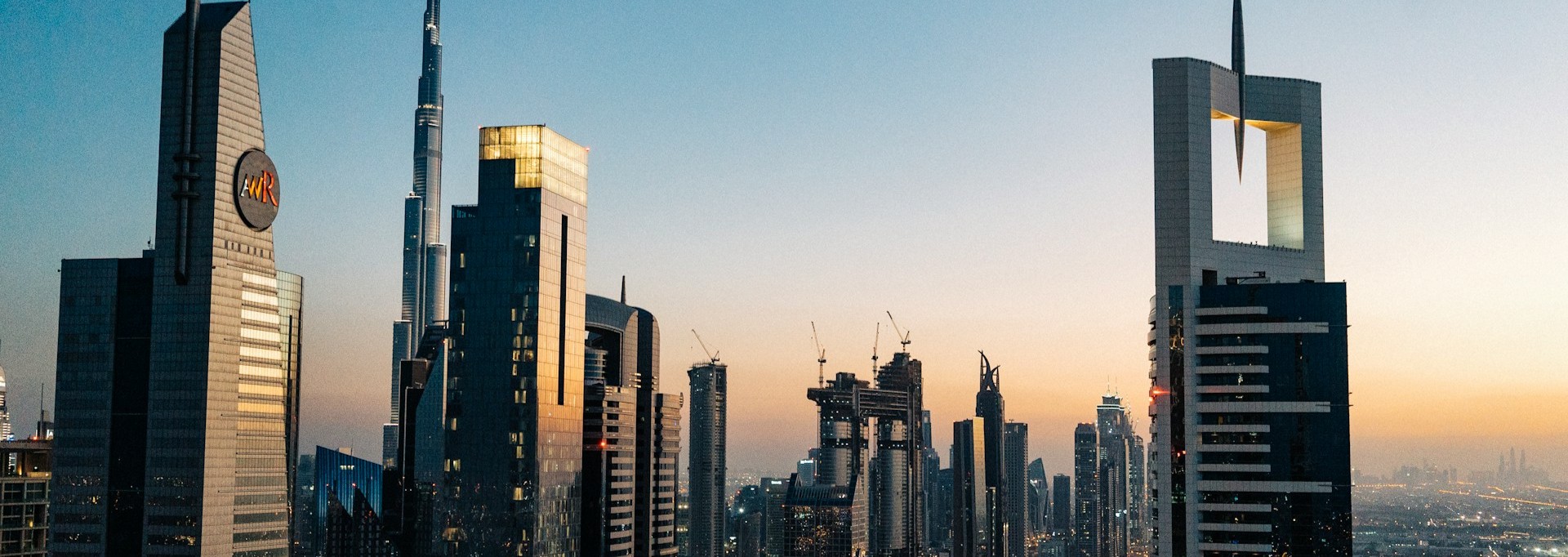
The government of the UAE has launched its first dedicated “Green Innovation District” at Expo City Dubai, marking a major milestone in the country’s push for sustainable urban and industrial transformation. The district is designed to be a hub for clean-energy firms, circular-economy businesses, urban-farming plots, and green-tech enterprises - combining economic growth with environmental sustainability.
Companies operating in the district will benefit from a special “Green Licence,” which aims to incentivise sustainable business practices and support innovation. The plan also includes establishing an Intellectual Property office to encourage green-technology development and research, making the district a magnet for eco-conscious enterprises from around the world.
With state-of-the-art sustainable infrastructure, the district promises a circular-economy ecosystem where waste and by-products from one business can feed into another - boosting resource efficiency and reducing environmental footprint. The move aligns with the UAE’s broader climate goals and positions Expo City Dubai as a model for future-ready, sustainable urban and industrial development.
The new district is expected to not only drive green investment and innovation, but also create jobs and offer a launchpad for start-ups and SMEs focusing on environmental solutions. By embedding sustainability at the core of economic planning, the initiative aims to set a benchmark for green growth in the region.
Expo City Dubai Green Innovation District combining clean-energy firms, circular-economy businesses, urban-farming, green-tech enterprises plus dedicated Green Licence and IP-office architecture reflects the ecosystem-approach that clean-technology commercialisation typically requires. Isolated clean-technology companies frequently face commercialisation friction; co-located ecosystems accelerate customer-supplier-partner formation.
The circular-economy-ecosystem framing where one business's waste feeds another's input is analytically important. Well-designed industrial-symbiosis clusters deliver substantial per-tenant efficiency gains that isolated companies cannot achieve; the district design implicitly requires attention to tenant-mix curation to support such flows.
For clean-technology companies, financial institutions supporting Gulf clean-technology investment, technology-commercialisation partners and their advisors, Cognitud's circular economy, energy transition and impact assessment teams help clients evaluate Green-Innovation-District-linked opportunities, structure long-term commercial arrangements aligned with UAE clean-technology-hub priorities, and prepare disclosures aligned with UAE Vision 2031, ISSB and jurisdictional green-innovation frameworks.
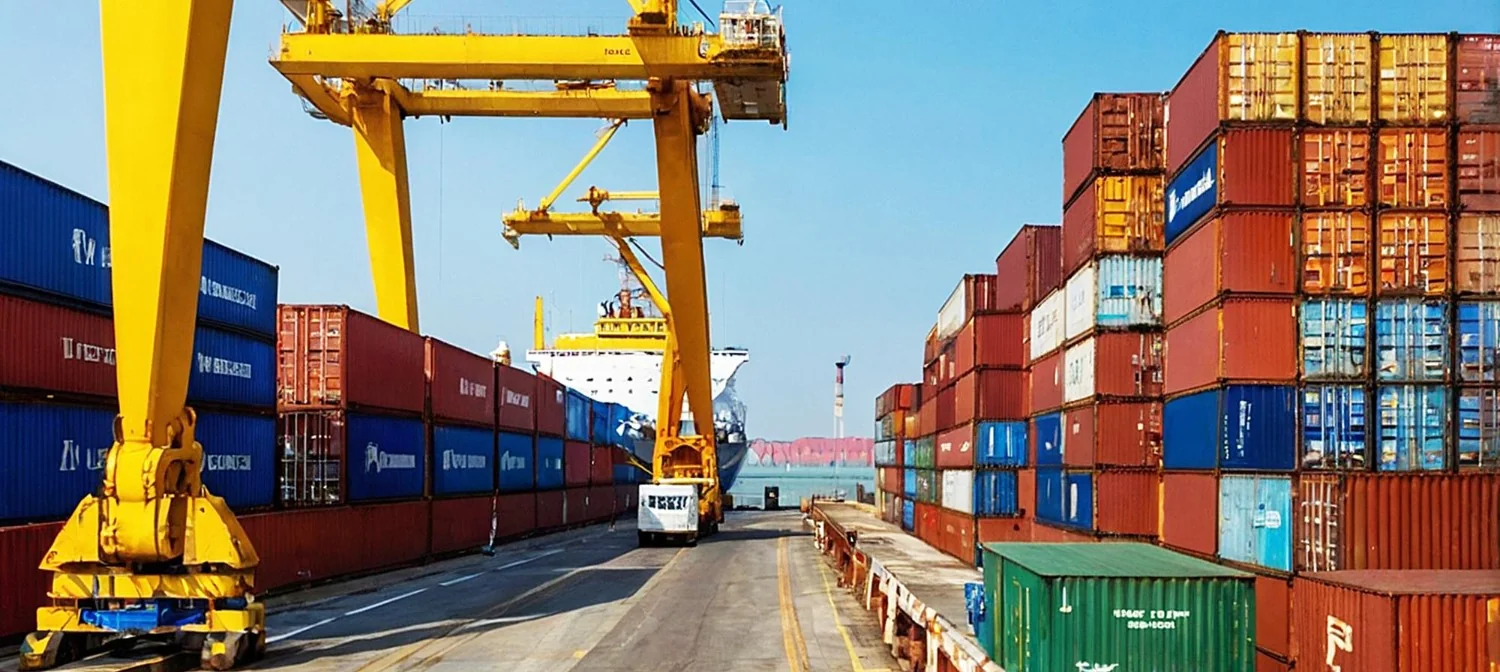
<ul><li><i>India is developing its first port-based e-methanol plant.</i></li><li><i>The ₹2,300-crore project is being developed through a partnership involving Deendayal Port Authority and Assam Petr…
.jpg)
• 𝘔𝘢𝘭𝘢𝘺𝘴𝘪𝘢 𝘢𝘯𝘥 𝘊𝘩𝘪𝘯𝘢 𝘢𝘳𝘦 𝘴𝘵𝘳𝘦𝘯𝘨𝘵𝘩𝘦𝘯𝘪𝘯𝘨 𝘣𝘪𝘭𝘢𝘵𝘦𝘳𝘢𝘭 𝘤𝘰𝘰𝘱𝘦𝘳𝘢𝘵𝘪𝘰𝘯 𝘰𝘯 𝘯𝘢𝘵𝘶𝘳𝘢𝘭 𝘳𝘦𝘴𝘰𝘶𝘳𝘤𝘦 𝘮𝘢𝘯𝘢𝘨𝘦𝘮𝘦𝘯𝘵 𝘢𝘯𝘥 𝘦𝘯𝘷𝘪𝘳𝘰𝘯𝘮𝘦𝘯𝘵𝘢𝘭 𝘴𝘶𝘴𝘵𝘢𝘪𝘯𝘢𝘣𝘪𝘭𝘪𝘵𝘺. • 𝘛𝘩𝘦 𝘱𝘢𝘳𝘵𝘯𝘦𝘳𝘴 𝘢𝘳𝘦 𝘦𝘹𝘱𝘭𝘰𝘳𝘪𝘯𝘨 𝘢 𝘱𝘳𝘰𝘱𝘰𝘴𝘦𝘥 𝘔𝘢𝘳𝘪𝘯𝘦 𝘌𝘯𝘷𝘪𝘳𝘰𝘯𝘮𝘦𝘯𝘵𝘢𝘭 𝘊𝘰𝘰𝘱𝘦𝘳𝘢𝘵𝘪𝘰𝘯 𝘈…
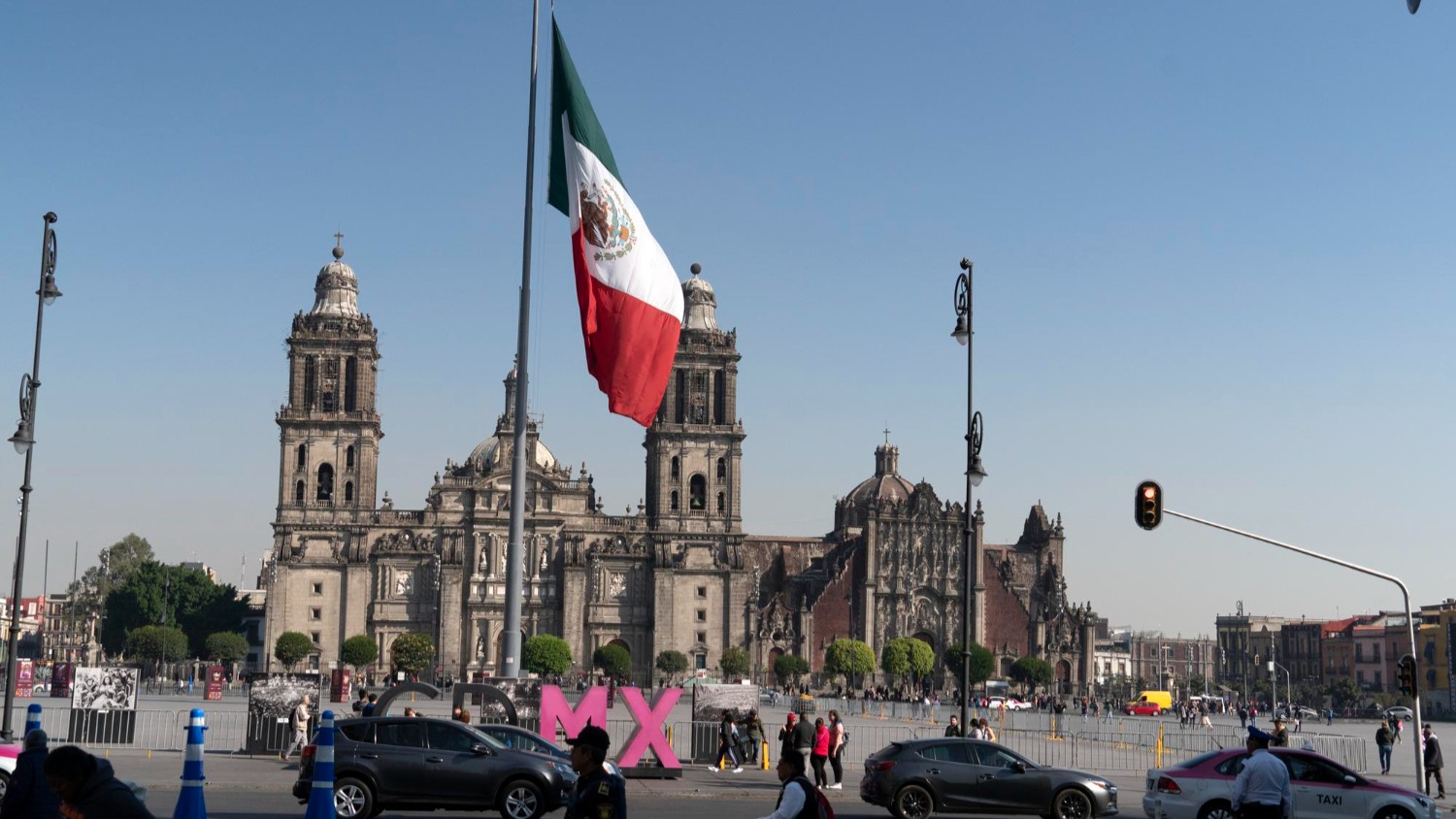
• 𝘔𝘦𝘹𝘪𝘤𝘰 𝘤𝘰𝘶𝘭𝘥 𝘳𝘦𝘥𝘶𝘤𝘦 𝘨𝘳𝘰𝘴𝘴 𝘰𝘪𝘭 𝘢𝘯𝘥 𝘨𝘢𝘴 𝘪𝘮𝘱𝘰𝘳𝘵𝘴 𝘣𝘺 34% 𝘣𝘺 2050 𝘵𝘩𝘳𝘰𝘶𝘨𝘩 𝘦𝘭𝘦𝘤𝘵𝘳𝘪𝘧𝘪𝘤𝘢𝘵𝘪𝘰𝘯 𝘢𝘯𝘥 𝘮𝘰𝘣𝘪𝘭𝘪𝘵𝘺 𝘴𝘩𝘪𝘧𝘵𝘴. • 𝘊𝘰𝘮𝘣𝘪𝘯𝘦𝘥 𝘦𝘭𝘦𝘤𝘵𝘳𝘪𝘧𝘪𝘤𝘢𝘵𝘪𝘰𝘯 𝘢𝘯𝘥 𝘱𝘶𝘣𝘭𝘪𝘤 𝘵𝘳𝘢𝘯𝘴𝘪𝘵 𝘤𝘰𝘶𝘭𝘥 𝘤𝘶𝘵 𝘶𝘳𝘣𝘢𝘯 𝘱𝘢𝘴𝘴𝘦𝘯𝘨𝘦𝘳 𝘵𝘳𝘢𝘯𝘴𝘱𝘰𝘳𝘵 𝘦𝘯𝘦𝘳𝘨𝘺 𝘤𝘰𝘯…