The second day of COP31 in Antalya, Türkiye, focused on energy and transport, with countries exploring ways to move away from fossil fuels, accelerate electrification and address the financial and infrastructure barriers slowing the transition. Discussions highlighted the growing connection between climate action, energy security and economic resilience.
Alongside the energy agenda, sessions also covered methane reduction, organic waste management, wastewater emissions and climate finance. With world leaders arriving ahead of the Leaders’ Summit on 11–12 November, the day highlighted the importance of turning climate commitments into measurable action.
Key Highlights from Day 2
Brazil Presents a Roadmap for Transitioning Away from Fossil Fuels: Brazil’s COP30 Presidency presented its roadmap for transitioning away from fossil fuels, formally introducing the initiative at COP31. The roadmap aims to help countries develop national plans that reflect their own circumstances, including fossil fuel production, demand, energy supply and the economic consequences of the transition. It is a voluntary framework, not a new binding climate agreement. UN Secretary-General António Guterres called on countries to establish clear timelines, identify financing needs and demonstrate measurable progress by 2028.
Türkiye Promotes the 35-by-35 Global Electrification Pledge: The host country promoted its ambition to increase electricity’s share of global energy consumption from just over 20% today to 35% by 2035. The initiative aims to accelerate electrification across transport, buildings and industry. However, electrification alone will not deliver its full climate benefits unless electricity generation also becomes cleaner. Expanding renewable energy, strengthening power grids and investing in storage will be essential to achieving this goal.
Energy Security and Climate Action Converge: Discussions highlighted how dependence on imported fossil fuels exposes economies to geopolitical disruption and volatile energy prices. According to UN Secretary-General António Guterres, the European Union has incurred more than €100 billion in additional fossil fuel import costs since the current escalation in the Middle East began, while petrol and diesel prices have surged across 130 countries. Expanding renewable electricity and electrifying transport and industry can help countries reduce this exposure while lowering emissions.
Power Grids Emerge as a Major Bottleneck: Clean energy depends on more than generating renewable electricity. A representative of the United Nations Economic Commission for Europe noted that around 2,500 GW of power generation and other energy projects worldwide are awaiting grid connections. Delays in transmission infrastructure, limited grid capacity and insufficient investment risk slowing renewable energy deployment. Upgrading electricity networks and expanding storage will therefore be critical to connecting new projects and meeting rising demand.
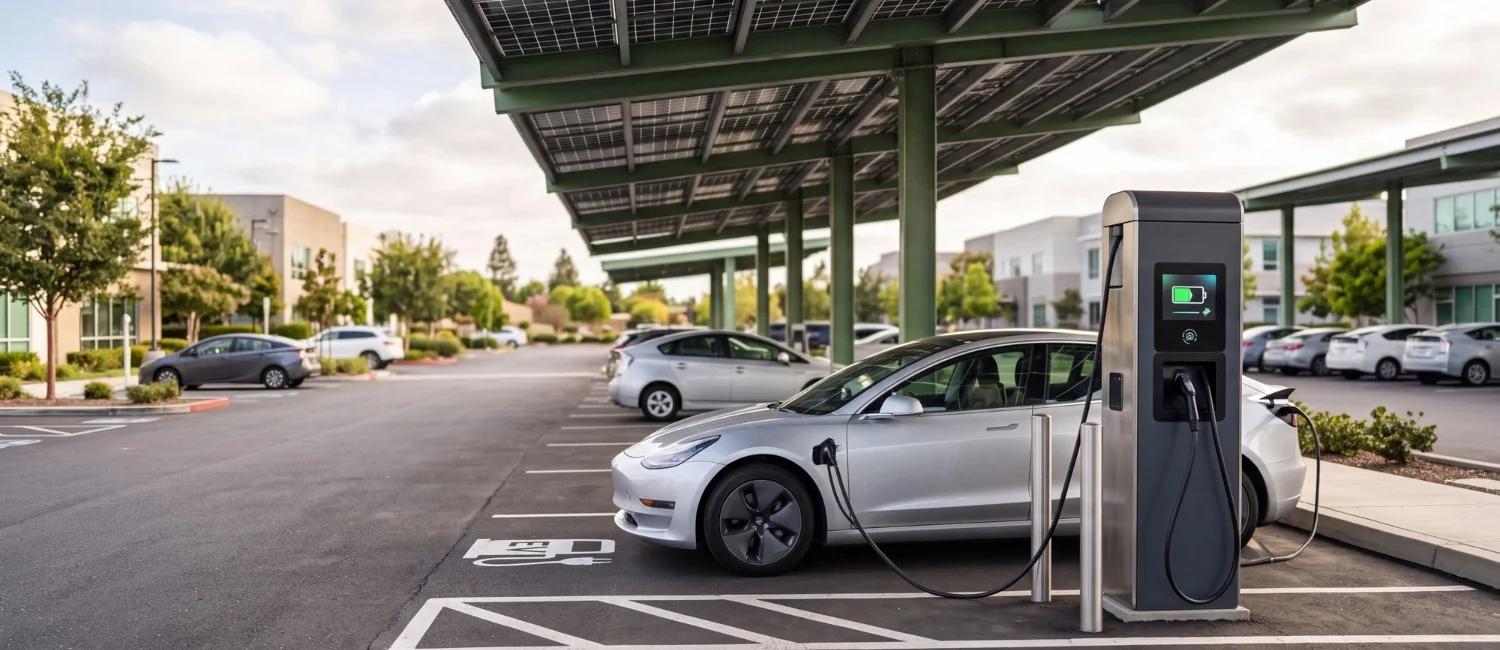
Transport: Electric Vehicles and Beyond: Sustainable mobility featured prominently in discussions about reducing oil dependence and transport emissions. Electric vehicles can help reduce demand for petrol and diesel, particularly as electricity generation becomes cleaner. However, sustainable transport requires a broader approach that includes reliable public transport, active travel, efficient freight systems and infrastructure designed to withstand climate impacts. Integrating these measures into transport planning will be important for reducing emissions while supporting accessible and resilient mobility.
Climate Finance Remains a Barrier to the Energy Transition: Access to affordable finance remains a major challenge for developing countries seeking to expand clean energy and modernise infrastructure. Although solar and wind technologies have become more affordable, high borrowing costs and substantial upfront investment requirements can make projects difficult to finance. International cooperation, development bank support and improved access to capital will be essential to help countries strengthen their electricity systems, expand clean energy and ensure that the transition supports economic development.
Kazakhstan Launches Its Just Energy Transition Investment Platform: Kazakhstan formally launched the Qazaqstan Just Energy Transition Investment Platform (QaJET), developed with support from the European Bank for Reconstruction and Development (EBRD). The platform aims to mobilise approximately US$20 billion in investment and support the deployment of at least 10 GW of new renewable energy capacity by 2035. It forms the first sectoral pillar of the wider Qazaqstan Country Climate Investment Platform and supports Kazakhstan’s goal of achieving carbon neutrality by 2060. Its priorities include renewable energy, grid modernisation, energy storage and electrification.
Senegal Advances Its National Organic Waste Management Strategy: Senegal is finalising its National Organic Waste Management Strategy (SGDOS), which sets out 10 strategic pillars and 59 actions. Developed with support from national institutions and international partners, the strategy aims to improve municipal organic waste management, reduce methane emissions and create opportunities for resource recovery. The initiative highlights the importance of coordination among government agencies, municipalities, waste operators and other stakeholders in delivering effective waste solutions.
Subnational Governments Step Up Waste Methane Action: A briefing from the Subnational Methane Action Coalition (SMAC) highlighted how states and regional authorities are helping reduce methane emissions from waste. Examples from Brazil, Argentina and Spain included the use of satellite data, stronger landfill regulations, organic waste diversion and dump closures. Recommendations for national governments included stronger methane targets, improved emissions monitoring, greater involvement of subnational authorities in national climate plans and better access to climate finance. The discussion reinforced the importance of local implementation in achieving national emissions-reduction commitments.
Wastewater Emerges as an Overlooked Emissions Source: A session co-organised by the United Nations Environment Programme (UNEP), the Climate and Clean Air Coalition (CCAC) and UNICEF examined emissions associated with wastewater and sanitation systems. Preliminary findings shared by the CCAC estimated that these systems account for 7–10% of global methane emissions and 3–7% of nitrous oxide emissions. Potential mitigation measures include covering wastewater ponds, using treatment wetlands and improving faecal sludge management. Preliminary estimates suggest that some approaches could reduce emissions at costs of approximately US$16–55 per tonne of carbon dioxide equivalent avoided. Incorporating emissions reduction into sanitation planning could also support public health and water quality.
Pacific Island Nations Highlight Climate Resilience: Representatives from Palau, Tuvalu, the Pacific Community and Japan discussed climate resilience, renewable energy and access to finance. Tuvalu’s coastal adaptation plans include developing reclaimed land for communities, alongside housing, water supply, drainage, sanitation and emergency preparedness. These discussions reinforced the need to combine emissions reduction with practical adaptation measures, particularly for communities facing rising sea levels and increasing climate risks.
Logistical Challenges Disrupt the Day’s Programme: Energy and Transport Day also faced significant transport disruption as delegates, staff and world leaders arrived in Antalya. Severe traffic congestion and overcrowded buses and trams delayed journeys to the conference venue, with some early events rescheduled. The disruption highlighted the logistical challenges of hosting a large international summit, with further traffic and access restrictions expected around the Leaders’ Summit on 11–12 November.
COP31 Day 2 showed that the transition to a lower-carbon economy depends on more than setting ambitious targets. Countries need reliable energy infrastructure, affordable finance, cleaner transport systems and practical measures to reduce emissions across sectors, including waste and wastewater. While voluntary initiatives can help build momentum, their impact will depend on how effectively they are translated into national strategies, investment decisions and implementation on the ground.
As world leaders gather in Antalya, attention will turn to climate finance, international cooperation and the delivery of existing commitments. The challenge is to ensure that the ambitions discussed at COP31 lead to measurable progress in reducing emissions, strengthening resilience and supporting a fair energy transition.