


10 November 2026
The 31st UN Climate Change Conference (COP31) opened in Antalya, Türkiye, on 9 November 2026, bringing together governments and stakeholders to address the growing urgency of climate action.
Following a year of devastating weather extremes, including heatwaves, wildfires, and catastrophic floods, the summit began amid growing pressure to turn climate commitments into practical outcomes. Its opening day brought climate finance challenges, food security, public health, and support for vulnerable communities into focus.
Key Highlights from Day 1
COP31 Calls for a Shift from Climate Commitments to Implementation: COP31 President Murat Kurum and President of Negotiations Chris Bowen called for stronger action to turn climate commitments into practical outcomes.
UN Secretary-General António Guterres urged world leaders to accelerate emissions reductions, advance a just transition away from fossil fuels, and deliver the finance and protection vulnerable countries need.
UN Climate Change Executive Secretary Simon Stiell also called for faster implementation of existing solutions, particularly in electrification and methane reduction.
Australia Pushes for an Early Political Agreement: Chris Bowen called for countries to begin shaping a political agreement from the outset of the summit rather than waiting until the final days. Under the arrangement between Türkiye and Australia, Türkiye is presiding over COP31 while Australia leads the negotiations. The two Presidencies are also pursuing a Presidency-initiated, Party-driven decision intended to build consensus around practical climate action.
Food, Agriculture, and Health Take Center Stage: The opening day placed food, agriculture, and health at the center of the discussions. Delegates examined how rising temperatures, extreme weather, and shifting climate patterns threaten food security, agricultural livelihoods, and public health, particularly in vulnerable communities. A powerful El Niño phenomenon is also expected to intensify climate-related pressures in the coming months.
Climate Finance Negotiations Begin Amid Disagreements: Negotiations over the official agenda began amid disagreements about climate finance, with developing countries pressing for greater support and faster access to funding.
The Climate Finance Work Programme was ultimately included in the agenda after discussions, while a proposed separate agenda item on tripling adaptation finance was not accepted. Countries also began discussions on progress towards the existing goal of mobilizing USD 100 billion annually in climate finance.
While some developed countries argued that the target had been met between 2022 and 2024, several developing-country groups maintained that shortfalls in 2020 and 2021 meant it had not been achieved. Improving access to finance, including direct access for developing countries, remained a key concern.
Nepal Calls for Greater Recognition of Mountain-Related Climate Risks: Nepal urged countries to give greater attention to mountain communities and the climate challenges they face. The COP31 Presidency outlined plans to include the subject in the upcoming Research Dialogue, hold further dialogues during subsidiary body meetings in 2027 and 2028, and feature it at the COP31 Leaders’ Summit.
Climate Change and Public Health Become a Central Focus: Discussions highlighted the growing health consequences of extreme heat, floods, and changing weather patterns, as well as the pressure these place on health systems. The World Health Organization estimates that 3.3–3.6 billion people live in areas highly vulnerable to climate change.
The launch of the Antalya Initiative for Health Resilience further reinforced the need to strengthen health systems and incorporate climate-related risks into public health planning.
Agriculture Emerges as Both a Climate Risk and an Opportunity: Agriculture and food systems account for roughly one-third of global greenhouse gas emissions, while remaining highly exposed to climate impacts. Discussions emphasized the need to support farmers with accessible finance, climate-resilient practices, and the resources required to protect livelihoods and food production.
Climate Science and Community Protection Feature in Opening Statements: The World Meteorological Organization released its 2026 State of the Climate Update, highlighting continued exceptional global temperatures, rising sea levels, and other climate indicators.
The latest scientific assessments also point to the likelihood of global temperatures exceeding the 1.5°C threshold.
Delegates and observer groups stressed the importance of early warning systems and protecting vulnerable communities, while calls for a just transition brought attention to the rights and livelihoods of Indigenous Peoples and workers.
Alongside the formal negotiations, Türkiye also promoted a voluntary Global Electrification Pledge, which aims to increase electricity's share of global final energy consumption from around 20% to 35% by 2035.
The initiative is intended to accelerate the shift towards electricity across transport, buildings, and industry, supported by investment in renewable energy, grids, storage, and energy efficiency.
However, differences could emerge over whether the transition should explicitly prioritize clean electricity, with the European Union advocating for clean electrification.
COP31's opening day highlighted the interconnected nature of climate action, extending beyond emissions reductions to include food security, public health, livelihoods, and financial support.
As negotiations continue, countries will need to address differences over climate finance and the pace of the energy transition while ensuring that existing commitments translate into meaningful action.
The summit's progress will ultimately depend on how effectively governments turn shared climate ambitions into practical outcomes for communities and economies.
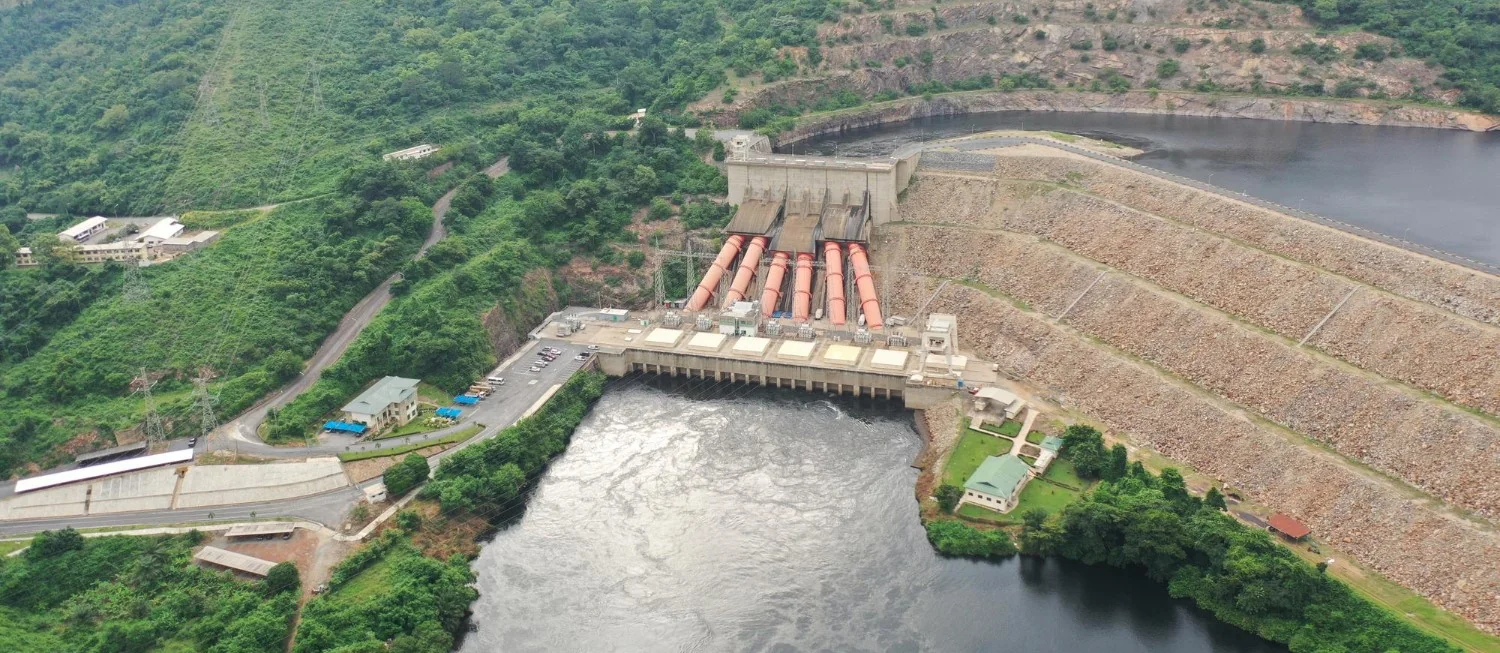
<ul><li><i>The state government of Odisha has approved the ₹4,708.64 crore Upper Indravati Pumped Storage Project.</i></li><li><i>The proposed facility will have an installed capacity of 600 MW.</i></…
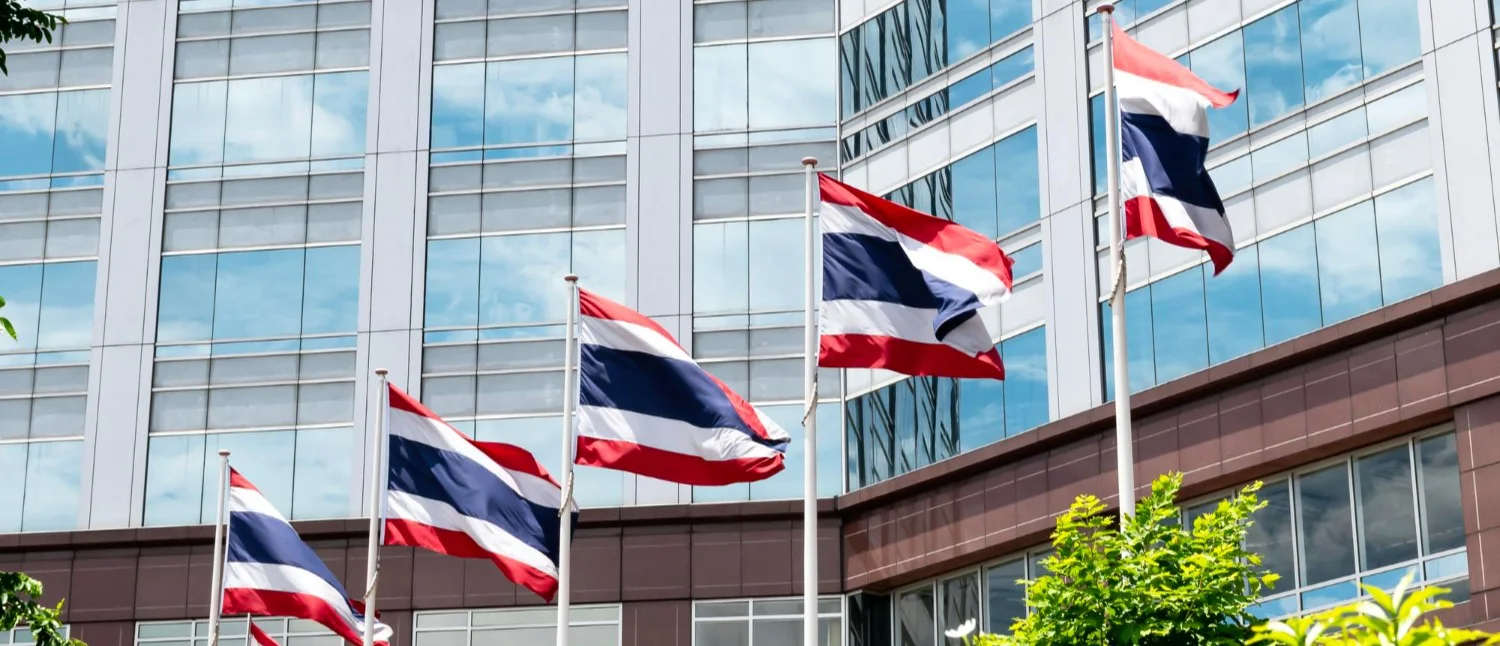
<ul><li><i>Thailand's Securities and Exchange Commission (SEC) has introduced mandatory sustainability disclosure regulations aligned with International Sustainability Standards Board (ISSB) standards…
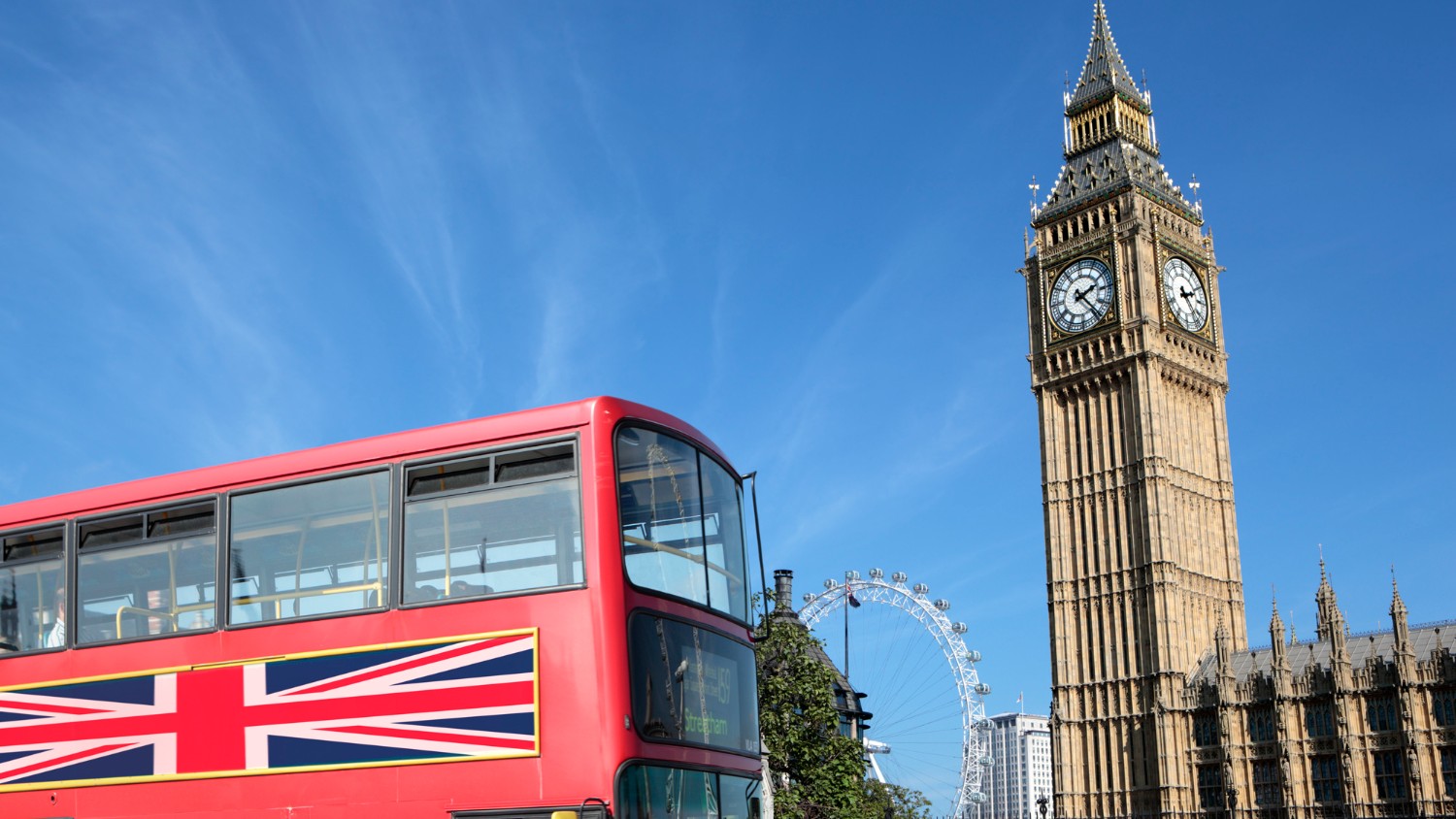
• 𝘛𝘩𝘦 𝘍𝘊𝘈 𝘩𝘢𝘴 𝘧𝘪𝘯𝘢𝘭𝘪𝘻𝘦𝘥 𝘳𝘶𝘭𝘦𝘴 𝘣𝘳𝘪𝘯𝘨𝘪𝘯𝘨 𝘌𝘚𝘎 𝘳𝘢𝘵𝘪𝘯𝘨𝘴 𝘱𝘳𝘰𝘷𝘪𝘥𝘦𝘳𝘴 𝘶𝘯𝘥𝘦𝘳 𝘜𝘒 𝘳𝘦𝘨𝘶𝘭𝘢𝘵𝘰𝘳𝘺 𝘴𝘶𝘱𝘦𝘳𝘷𝘪𝘴𝘪𝘰𝘯 𝘧𝘰𝘳 𝘵𝘩𝘦 𝘧𝘪𝘳𝘴𝘵 𝘵𝘪𝘮𝘦. • 𝘗𝘳𝘰𝘷𝘪𝘥𝘦𝘳𝘴 𝘰𝘱𝘦𝘳𝘢𝘵𝘪𝘯𝘨 𝘪𝘯 𝘵𝘩𝘦 𝘜𝘒 𝘸𝘪𝘭𝘭 𝘳𝘦𝘲𝘶𝘪𝘳𝘦 𝘍𝘊𝘈 𝘢𝘶𝘵𝘩𝘰𝘳𝘪𝘻𝘢𝘵𝘪𝘰𝘯 𝘧𝘳𝘰𝘮 𝘑𝘶𝘯𝘦 2028. • 𝘕𝘦𝘸 𝘳𝘦…