


06 July 2026
The United Arab Emirates has expanded its electric vehicle (EV) charging infrastructure with the installation of 46 new charging points at the Dubai Electricity and Water Authority's (DEWA) Al Shera'a headquarters. The initiative reinforces the country's commitment to accelerating sustainable mobility and supporting the transition to low-emission transportation.
Installed under DEWA's EV Green Charger initiative, the new infrastructure comprises 40 alternating current (AC) charging points for employees and six direct current (DC) fast-charging points for visitors. The charging facilities are integrated into Al Shera'a, DEWA's net-positive government headquarters, which generates more clean energy than it consumes while incorporating advanced sustainability features.
The project aligns with the UAE Net Zero Strategy 2050 and the Dubai Green Mobility Strategy 2030, which aim to accelerate electric vehicle adoption, reduce carbon emissions from the transport sector and improve urban air quality. DEWA noted that the expansion forms part of broader efforts to strengthen Dubai's EV charging network and encourage the use of environmentally friendly transport options.
By the end of the first quarter of 2026, Dubai's EV charging network had expanded to 2,223 charging points, including DEWA-operated facilities and stations managed by licensed independent operators. The latest installation reflects the UAE's continued investment in sustainable transport infrastructure to support cleaner mobility, enhance energy efficiency and advance the country's long-term climate objectives.
Charging-infrastructure density is the piece that turns EV adoption from projection into reality, and the UAE build-out will materially reshape fleet operator, real-estate developer and financial-institution positioning around sustainable mobility. Our energy-transition and impact-assessment teams help clients evaluate charging-infrastructure investment opportunities and how they intersect with disclosure and building certification.
As the scheduled final day of COP31 began in Antalya, Türkiye, hopes of reaching a comprehensive climate agreement remained uncertain. After nearly two weeks of negotiations, representatives from almo…
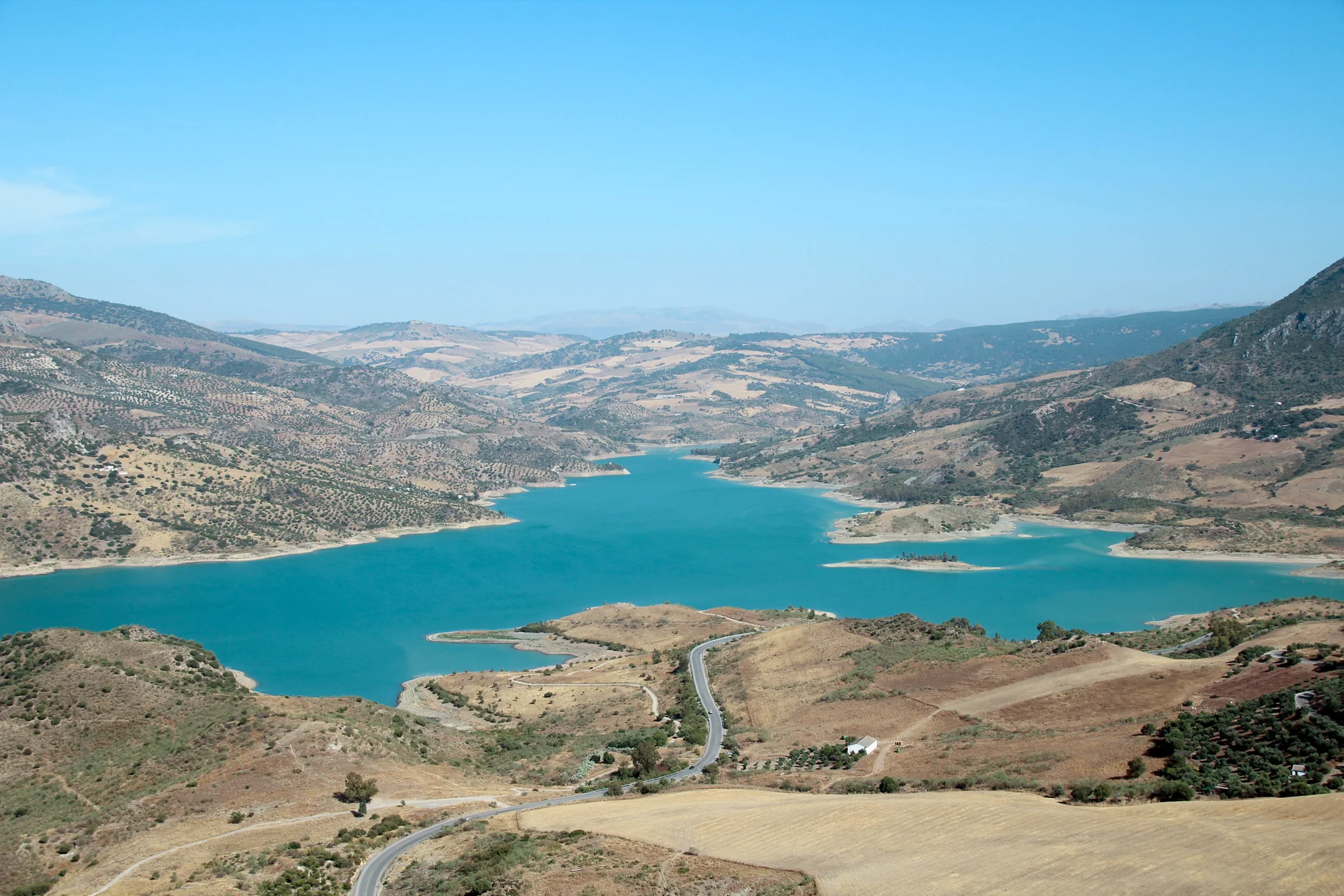
𝘛𝘩𝘦 𝘜𝘈𝘌 𝘈𝘭𝘭𝘪𝘢𝘯𝘤𝘦 𝘧𝘰𝘳 𝘊𝘭𝘪𝘮𝘢𝘵𝘦 𝘈𝘤𝘵𝘪𝘰𝘯 (𝘜𝘈𝘊𝘈) 𝘩𝘢𝘴 𝘭𝘢𝘶𝘯𝘤𝘩𝘦𝘥 𝘢 𝘊𝘰𝘳𝘱𝘰𝘳𝘢𝘵𝘦 𝘞𝘢𝘵𝘦𝘳 𝘚𝘵𝘦𝘸𝘢𝘳𝘥𝘴𝘩𝘪𝘱 𝘪𝘯𝘪𝘵𝘪𝘢𝘵𝘪𝘷𝘦 𝘵𝘰 𝘩𝘦𝘭𝘱 𝘣𝘶𝘴𝘪𝘯𝘦𝘴𝘴𝘦𝘴 𝘪𝘥𝘦𝘯𝘵𝘪𝘧𝘺 𝘢𝘯𝘥 𝘮𝘢𝘯𝘢𝘨𝘦 𝘸𝘢𝘵𝘦𝘳-𝘳𝘦𝘭𝘢𝘵𝘦𝘥 𝘳𝘪𝘴𝘬𝘴 𝘢𝘤𝘳𝘰𝘴𝘴 𝘵𝘩𝘦𝘪𝘳 𝘰𝘱𝘦𝘳𝘢𝘵𝘪𝘰𝘯𝘴 𝘢𝘯𝘥 𝘷𝘢𝘭𝘶𝘦 𝘤𝘩𝘢𝘪𝘯𝘴. 𝘛𝘩…
The tenth day of COP31 in Antalya, Türkiye, brought renewed attention to an important but often overlooked aspect of climate action: reducing emissions of highly potent greenhouse gases beyond carbon…