

19 August 2026
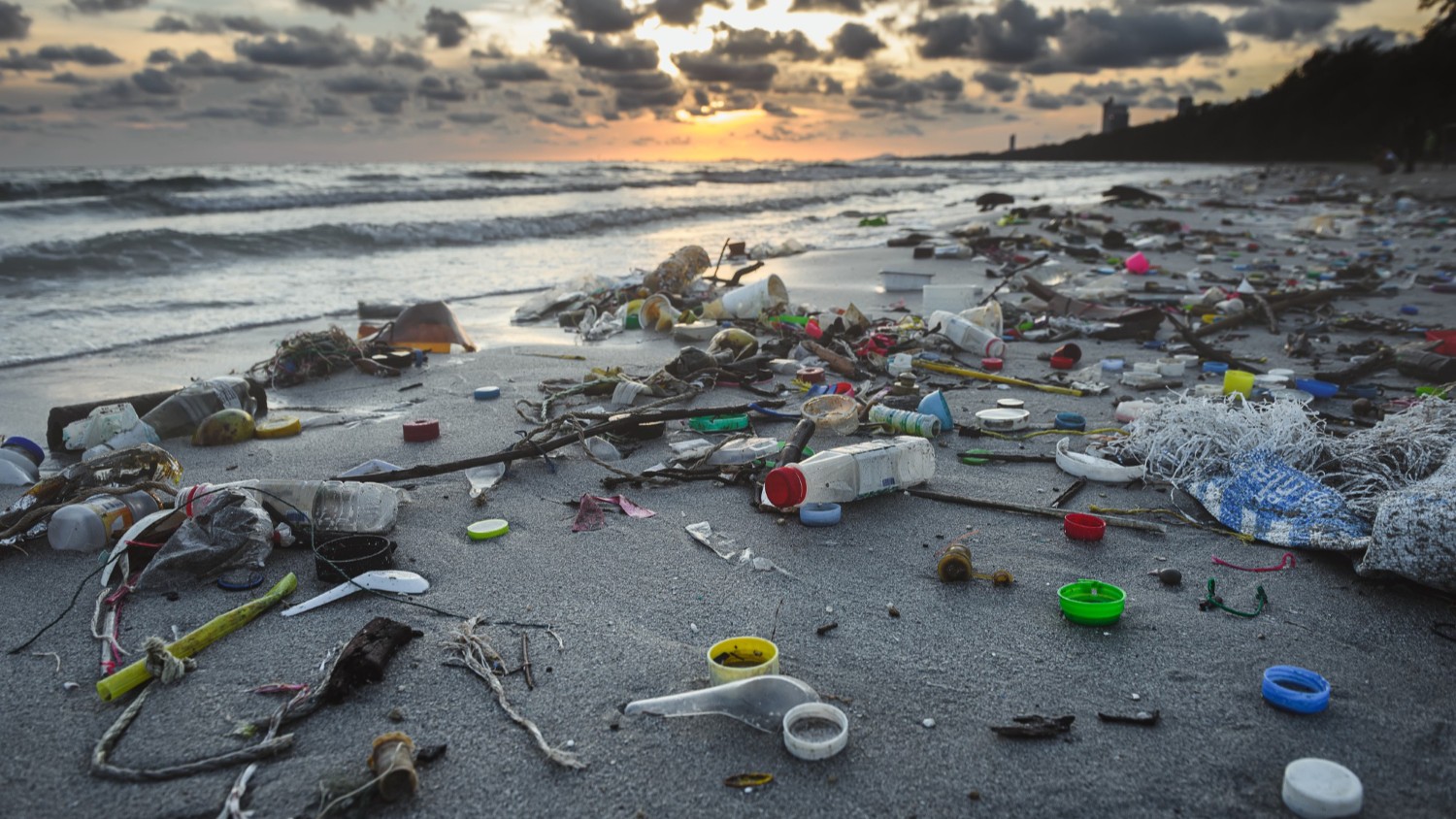
Mexico is stepping up efforts to tackle plastic waste by moving beyond collection and recycling toward a broader circular economy approach. SEMARNAT recovered and recycled more than 644 kg of single-use plastics during the second phase of its Goal for the Environment campaign-exceeding its target by more than 144 kg.
Supported by ECOCE and Rennueva, the initiative collected mainly PET alongside LDPE and HDPE, with recovered materials processed into raw materials for new production cycles rather than sent for final disposal. The campaign also encouraged employees and their families to improve waste separation and reduce consumption of single-use plastics, illustrating how circular practices can extend beyond workplaces into households.
However, the relatively small scale of the initiative underscores the size of Mexico’s wider challenge. The country generates around 5.7 million tonnes of plastic waste annually, yet less than 3% is recycled, according to Sistema B Mexico. Between 38% and 58% of plastic waste is estimated to be improperly managed, increasing the risk of leakage into ecosystems.
The pressure for change is also moving upstream. As Mexico participates in negotiations for the UN Global Plastics Treaty, businesses could face stronger expectations around extended producer responsibility and the full lifecycle of packaging.
Meanwhile, consumer demand appears to be ahead of market supply: 76.7% of Mexican consumers say they would pay more for sustainable packaging, while only 19.4% currently make purchasing decisions based on that factor.
The message for businesses is becoming clearer: tackling plastic pollution will require more than better recycling. Redesigning products, packaging and business models around reuse, recovery and reduced material consumption could become central to Mexico’s transition toward circular production and consumption.
National plastic-recovery drives are the entry point for formal EPR obligations across Latin America, and consumer-goods brands should be planning around this trajectory. Our circular-economy and sustainability-due-diligence teams help clients evaluate plastic-EPR exposure and align packaging strategy with emerging Latin American frameworks.

• 𝘔𝘦𝘹𝘪𝘤𝘰 𝘊𝘪𝘵𝘺 𝘩𝘢𝘴 𝘱𝘭𝘢𝘯𝘵𝘦𝘥 10 𝘮𝘪𝘭𝘭𝘪𝘰𝘯 𝘵𝘳𝘦𝘦𝘴, 𝘱𝘭𝘢𝘯𝘵𝘴, 𝘢𝘯𝘥 𝘴𝘩𝘳𝘶𝘣𝘴 𝘢𝘤𝘳𝘰𝘴𝘴 𝘤𝘰𝘯𝘴𝘦𝘳𝘷𝘢𝘵𝘪𝘰𝘯 𝘢𝘳𝘦𝘢𝘴 𝘵𝘰 𝘳𝘦𝘴𝘵𝘰𝘳𝘦 𝘦𝘤𝘰𝘴𝘺𝘴𝘵𝘦𝘮𝘴. • 𝘛𝘩𝘦 𝘤𝘪𝘵𝘺 𝘸𝘪𝘭𝘭 𝘭𝘢𝘶𝘯𝘤𝘩 𝘪𝘵𝘴 𝘭𝘢𝘳𝘨𝘦𝘴𝘵 𝘶𝘳𝘣𝘢𝘯 𝘳𝘦𝘧𝘰𝘳𝘦𝘴𝘵𝘢𝘵𝘪𝘰𝘯 𝘦𝘧𝘧𝘰𝘳𝘵, 𝘵𝘢𝘳𝘨𝘦𝘵𝘪𝘯𝘨 𝘰𝘯𝘦 𝘮𝘪𝘭𝘭𝘪𝘰𝘯 𝘢𝘥𝘥…
• 𝘕𝘰𝘳𝘸𝘢𝘺’𝘴 𝘸𝘦𝘢𝘭𝘵𝘩 𝘧𝘶𝘯𝘥 𝘮𝘢𝘯𝘢𝘨𝘦𝘳 𝘩𝘢𝘴 𝘤𝘰𝘮𝘮𝘪𝘵𝘵𝘦𝘥 $1.36 𝘣𝘪𝘭𝘭𝘪𝘰𝘯 𝘵𝘰 𝘊𝘰𝘱𝘦𝘯𝘩𝘢𝘨𝘦𝘯 𝘐𝘯𝘧𝘳𝘢𝘴𝘵𝘳𝘶𝘤𝘵𝘶𝘳𝘦 𝘗𝘢𝘳𝘵𝘯𝘦𝘳𝘴’ 𝘴𝘪𝘹𝘵𝘩 𝘧𝘭𝘢𝘨𝘴𝘩𝘪𝘱 𝘧𝘶𝘯𝘥. • 𝘛𝘩𝘦 𝘪𝘯𝘷𝘦𝘴𝘵𝘮𝘦𝘯𝘵 𝘣𝘶𝘪𝘭𝘥𝘴 𝘰𝘯 𝘢 𝘱𝘢𝘳𝘵𝘯𝘦𝘳𝘴𝘩𝘪𝘱 𝘦𝘴𝘵𝘢𝘣𝘭𝘪𝘴𝘩𝘦𝘥 𝘪𝘯 2024 𝘸𝘪𝘵𝘩 𝘢 $1.02 𝘣𝘪𝘭𝘭𝘪𝘰𝘯…
<ul><li><i>Union Cabinet approves the third phase of the Green Energy Corridor programme.</i></li><li><i>The scheme will add 51,126 circuit kilometres of transmission lines and around 229 GVA of trans…