


10 June 2026
Queensland’s environmental regulator has undertaken emergency remediation works at a former waste management facility in Central Queensland after identifying significant contamination risks and ongoing environmental hazards at the site.
The intervention follows years of compliance and enforcement efforts related to the property. Authorities acted after inspections identified deteriorating conditions, including hazardous waste storage issues, leaking oil, contaminated water and waste materials that posed risks to the surrounding environment.
According to the regulator, contaminated water and pollutants were at risk of moving beyond the site boundary, particularly during periods of heavy rainfall. Investigations also found evidence of hazardous substances, including chemicals, solvents, oils and other industrial waste materials requiring specialised management and containment.
Emergency works have focused on stabilising the site, containing contaminants and reducing the risk of further environmental harm. The regulator said the measures were necessary to protect nearby land and water resources while longer-term remediation requirements are assessed.
Authorities have indicated that efforts are underway to recover the costs associated with the emergency response from the responsible parties. The case highlights the importance of proper hazardous waste management and regulatory oversight in preventing environmental contamination and protecting surrounding ecosystems.
Emergency remediation at legacy Central Queensland waste site with hazardous storage, oil leakage and contaminated-water risks captures the substantive environmental-liability exposure that improperly-managed waste facilities generate. Cost-recovery from responsible parties addresses financial-accountability but frequently does not fully offset public-cost of emergency response.
The heavy-rainfall contamination-migration risk is analytically important. Climate-driven rainfall intensity increases raise the probability that historically-contained waste sites experience contaminant migration; site-integrity management for legacy waste infrastructure requires review against updated climate-risk baselines.
For waste-management operators, industrial waste generators, financial institutions with legacy-industrial-site portfolio exposure and their environmental advisors, Cognitud's sustainability due diligence, impact assessment and supply chain and operations teams help clients evaluate legacy-site-liability exposure, structure long-term site-management arrangements aligned with regulatory-compliance and climate-risk considerations, and prepare disclosures aligned with AASB S2, ISSB and jurisdictional waste-management frameworks.

• 𝘛𝘩𝘦 𝘜𝘈𝘌 𝘍𝘰𝘰𝘥 𝘉𝘢𝘯𝘬 𝘢𝘯𝘥 𝘋𝘶𝘣𝘢𝘪’𝘴 𝘊𝘰𝘮𝘮𝘶𝘯𝘪𝘵𝘺 𝘋𝘦𝘷𝘦𝘭𝘰𝘱𝘮𝘦𝘯𝘵 𝘈𝘶𝘵𝘩𝘰𝘳𝘪𝘵𝘺 (𝘊𝘋𝘈) 𝘩𝘢𝘷𝘦 𝘴𝘪𝘨𝘯𝘦𝘥 𝘢𝘯 𝘢𝘨𝘳𝘦𝘦𝘮𝘦𝘯𝘵 𝘵𝘰 𝘤𝘰𝘭𝘭𝘦𝘤𝘵 𝘢𝘯𝘥 𝘳𝘦𝘥𝘪𝘴𝘵𝘳𝘪𝘣𝘶𝘵𝘦 𝘴𝘶𝘳𝘱𝘭𝘶𝘴 𝘧𝘰𝘰𝘥 𝘧𝘳𝘰𝘮 𝘸𝘦𝘥𝘥𝘪𝘯𝘨𝘴 𝘢𝘯𝘥 𝘦𝘷𝘦𝘯𝘵𝘴. • 𝘛𝘩𝘦 𝘪𝘯𝘪𝘵𝘪𝘢𝘵𝘪𝘷𝘦 𝘸𝘪𝘭𝘭 𝘧𝘰𝘭𝘭𝘰𝘸 𝘢𝘱𝘱𝘳𝘰𝘷𝘦𝘥…
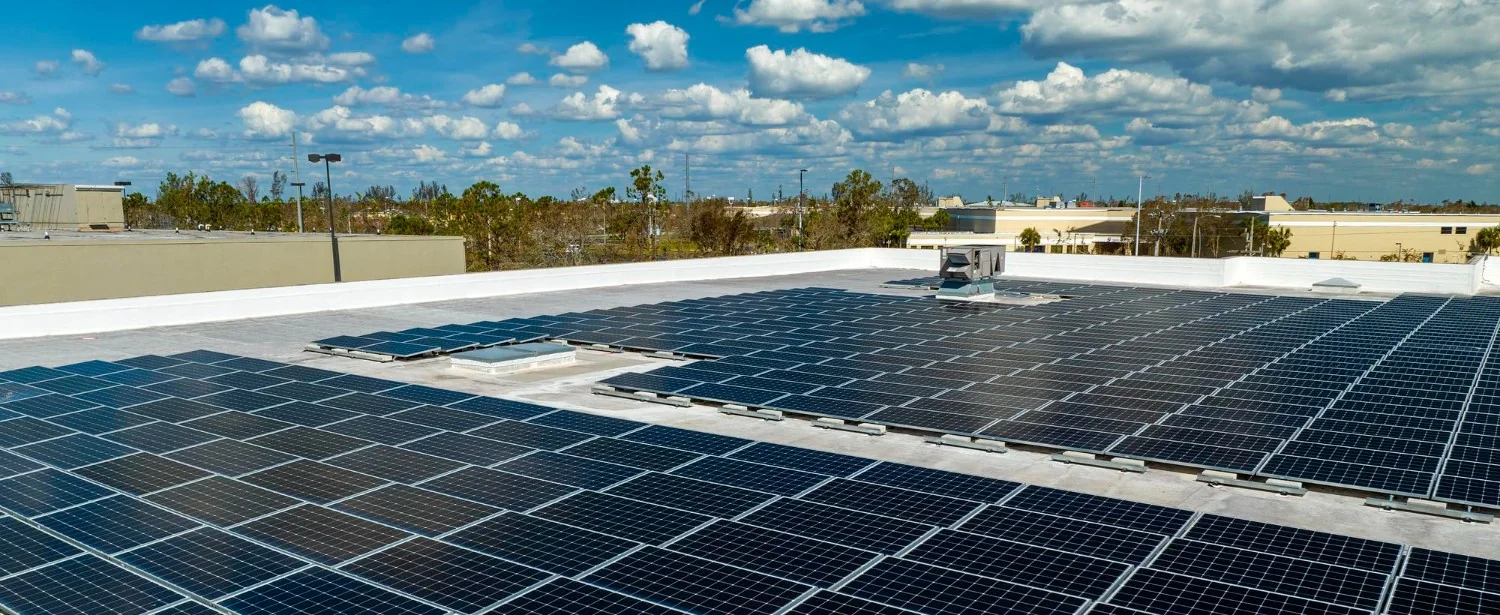
<ul><li><i>India’s rooftop solar capacity reached 30.7 GW in July 2026, increasing the need for better grid management and flexibility.</i></li><li><i>Kerala and Maharashtra are exploring battery ener…

• 𝘛𝘩𝘦 𝘌𝘐𝘉 𝘎𝘳𝘰𝘶𝘱 𝘱𝘭𝘢𝘯𝘴 𝘵𝘰 𝘱𝘳𝘰𝘷𝘪𝘥𝘦 𝘢𝘵 𝘭𝘦𝘢𝘴𝘵 €30 𝘣𝘪𝘭𝘭𝘪𝘰𝘯 𝘧𝘰𝘳 𝘤𝘭𝘪𝘮𝘢𝘵𝘦 𝘢𝘥𝘢𝘱𝘵𝘢𝘵𝘪𝘰𝘯 𝘣𝘦𝘵𝘸𝘦𝘦𝘯 2026 𝘢𝘯𝘥 2030. • 𝘛𝘩𝘦 𝘯𝘦𝘸 𝘵𝘢𝘳𝘨𝘦𝘵 𝘥𝘰𝘶𝘣𝘭𝘦𝘴 𝘢𝘥𝘢𝘱𝘵𝘢𝘵𝘪𝘰𝘯 𝘧𝘪𝘯𝘢𝘯𝘤𝘪𝘯𝘨 𝘤𝘰𝘮𝘱𝘢𝘳𝘦𝘥 𝘸𝘪𝘵𝘩 𝘵𝘩𝘦 𝘱𝘳𝘦𝘷𝘪𝘰𝘶𝘴 𝘧𝘪𝘷𝘦-𝘺𝘦𝘢𝘳 𝘱𝘦𝘳𝘪𝘰𝘥. • 𝘍𝘶𝘯𝘥𝘪𝘯𝘨…