

.jpg)
10 June 2026
Alberta is positioning itself as a prime destination for the rapidly expanding AI data center industry, promoting its abundant and low-cost natural gas resources as a competitive advantage. The strategy could unlock billions in investment but also raises questions about how it aligns with Canada’s broader clean energy ambitions.
The province, which produces around 60% of Canada’s natural gas, is actively courting major technology companies seeking reliable and scalable power for energy-intensive AI operations. Alberta’s cooler climate, available land, and relatively low operating costs add to its appeal. Provincial officials have even described data centers as “digital pipelines,” creating a new market for natural gas producers facing years of oversupply and depressed prices.
The opportunity is substantial. Canada currently has only a handful of hyperscale data centers, but nearly 100 additional facilities are under development, with approximately 90% planned for Alberta. The province hopes to attract as much as C$100 billion in data center investment as global demand for AI infrastructure accelerates.
However, Alberta’s approach contrasts with the federal government’s vision of powering Canada’s AI expansion with clean electricity. Prime Minister Mark Carney’s AI strategy emphasizes leveraging Canada’s largely low-emission electricity system, which is dominated by hydropower, renewables, and nuclear energy. Alberta’s grid, by comparison, remains heavily reliant on natural gas and has one of the highest emissions intensities in the country.
Critics argue that large-scale deployment of gas-powered data centers could make it more difficult for Canada to meet its climate objectives. Environmental advocates have called for closer scrutiny of how AI-driven energy demand will affect emissions and long-term sustainability goals.
Alberta officials maintain that technology companies prioritize quick access to reliable power over energy source considerations and suggest that future carbon capture technologies could help reduce emissions from gas-fired generation.
As AI infrastructure demand surges worldwide, Alberta’s strategy highlights the growing tension between economic opportunity, energy security, and climate commitments in the race to power the digital economy.
Gas-powered AI data centers in Alberta create sharp disclosure tension for hyperscalers with 100% renewable pledges, and it changes what Canadian Scope 2 procurement claims can defensibly say. Our climate-action and ESG-strategy teams help tech clients build credible RE100 narratives that hold up regardless of local grid mix.

• 𝘛𝘩𝘦 𝘜𝘈𝘌 𝘍𝘰𝘰𝘥 𝘉𝘢𝘯𝘬 𝘢𝘯𝘥 𝘋𝘶𝘣𝘢𝘪’𝘴 𝘊𝘰𝘮𝘮𝘶𝘯𝘪𝘵𝘺 𝘋𝘦𝘷𝘦𝘭𝘰𝘱𝘮𝘦𝘯𝘵 𝘈𝘶𝘵𝘩𝘰𝘳𝘪𝘵𝘺 (𝘊𝘋𝘈) 𝘩𝘢𝘷𝘦 𝘴𝘪𝘨𝘯𝘦𝘥 𝘢𝘯 𝘢𝘨𝘳𝘦𝘦𝘮𝘦𝘯𝘵 𝘵𝘰 𝘤𝘰𝘭𝘭𝘦𝘤𝘵 𝘢𝘯𝘥 𝘳𝘦𝘥𝘪𝘴𝘵𝘳𝘪𝘣𝘶𝘵𝘦 𝘴𝘶𝘳𝘱𝘭𝘶𝘴 𝘧𝘰𝘰𝘥 𝘧𝘳𝘰𝘮 𝘸𝘦𝘥𝘥𝘪𝘯𝘨𝘴 𝘢𝘯𝘥 𝘦𝘷𝘦𝘯𝘵𝘴. • 𝘛𝘩𝘦 𝘪𝘯𝘪𝘵𝘪𝘢𝘵𝘪𝘷𝘦 𝘸𝘪𝘭𝘭 𝘧𝘰𝘭𝘭𝘰𝘸 𝘢𝘱𝘱𝘳𝘰𝘷𝘦𝘥…
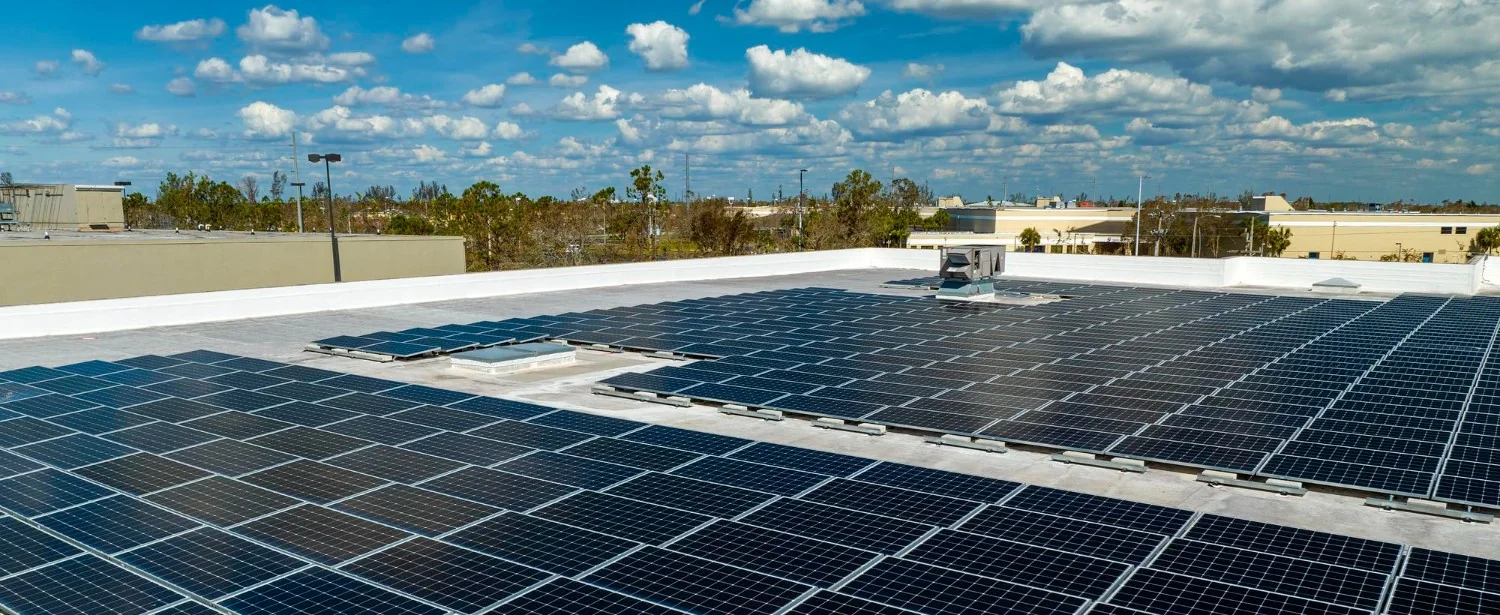
<ul><li><i>India’s rooftop solar capacity reached 30.7 GW in July 2026, increasing the need for better grid management and flexibility.</i></li><li><i>Kerala and Maharashtra are exploring battery ener…

• 𝘛𝘩𝘦 𝘌𝘐𝘉 𝘎𝘳𝘰𝘶𝘱 𝘱𝘭𝘢𝘯𝘴 𝘵𝘰 𝘱𝘳𝘰𝘷𝘪𝘥𝘦 𝘢𝘵 𝘭𝘦𝘢𝘴𝘵 €30 𝘣𝘪𝘭𝘭𝘪𝘰𝘯 𝘧𝘰𝘳 𝘤𝘭𝘪𝘮𝘢𝘵𝘦 𝘢𝘥𝘢𝘱𝘵𝘢𝘵𝘪𝘰𝘯 𝘣𝘦𝘵𝘸𝘦𝘦𝘯 2026 𝘢𝘯𝘥 2030. • 𝘛𝘩𝘦 𝘯𝘦𝘸 𝘵𝘢𝘳𝘨𝘦𝘵 𝘥𝘰𝘶𝘣𝘭𝘦𝘴 𝘢𝘥𝘢𝘱𝘵𝘢𝘵𝘪𝘰𝘯 𝘧𝘪𝘯𝘢𝘯𝘤𝘪𝘯𝘨 𝘤𝘰𝘮𝘱𝘢𝘳𝘦𝘥 𝘸𝘪𝘵𝘩 𝘵𝘩𝘦 𝘱𝘳𝘦𝘷𝘪𝘰𝘶𝘴 𝘧𝘪𝘷𝘦-𝘺𝘦𝘢𝘳 𝘱𝘦𝘳𝘪𝘰𝘥. • 𝘍𝘶𝘯𝘥𝘪𝘯𝘨…