

01 July 2025
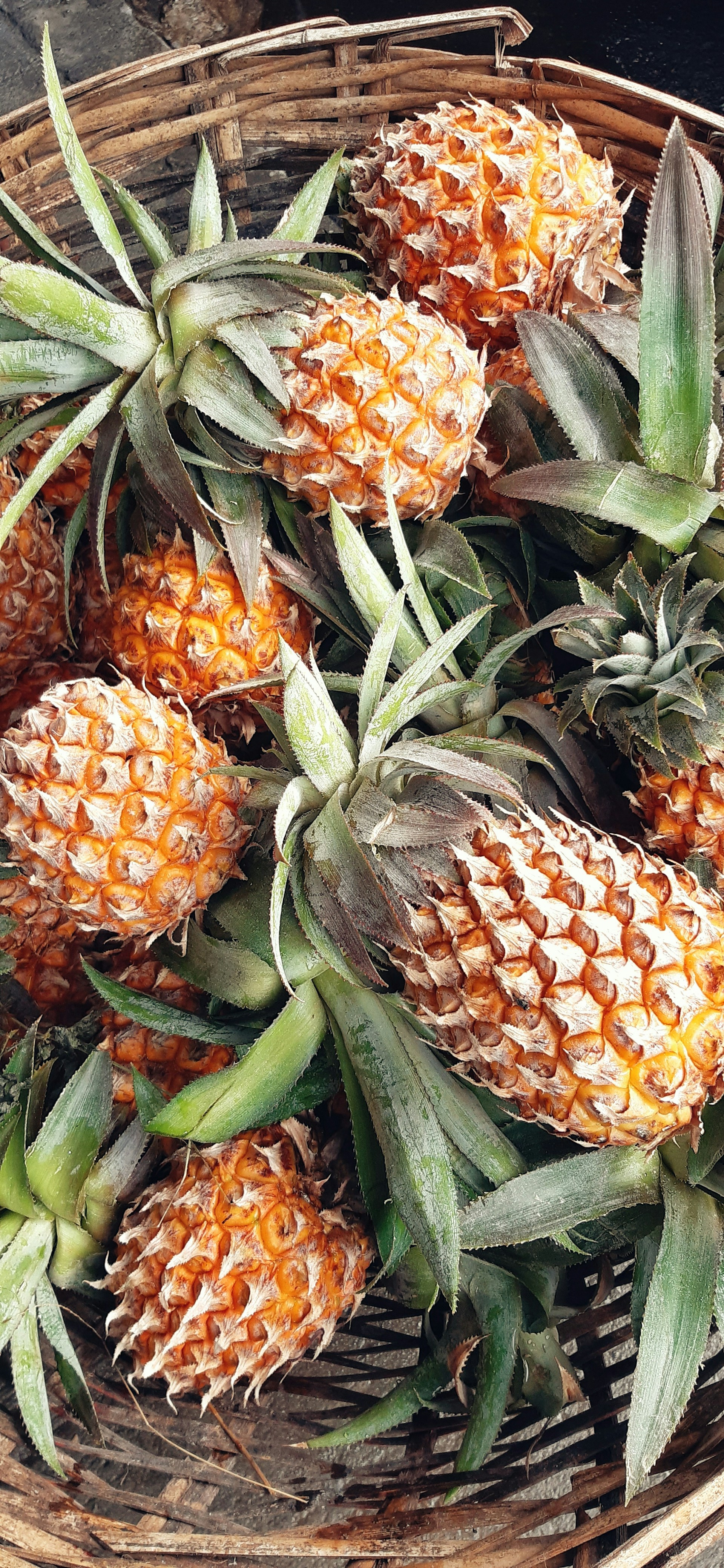
Malaysia is advancing a bold plan to transform pineapple waste into valuable economic and environmental assets by establishing five Pineapple Waste Processing Centres (PPSNs) and 50 waste collection kiosks nationwide.
Spearheaded by the Malaysian Pineapple Industry Board (LPNM) under the 13th Malaysia Plan (13MP), this initiative aims to convert pineapple leaves, stems, and other farm residues into products such as animal feed, planting media, paper pulp, and composite materials.
The centres will be strategically located across the East Coast, Southern, Northern, Central, and Sarawak zones to maximize regional impact and provide farmers with new income streams while supporting sustainability goals.
The first pilot PPSN, operational since last year in Rompin, Pahang, is equipped with advanced machinery including harvesters, crushers, extruders, and dryers, capable of processing between one to three tonnes of pineapple waste daily.
Complementing these centres, the 50 collection kiosks will be set up at community and smallholder levels to streamline logistics and facilitate efficient waste gathering.
This integrated approach is expected to accelerate the value chain and enable farmers to easily sell their pineapple waste to nearby PPSNs, enhancing overall farm efficiency and profitability.
According to LPNM, Malaysia produces approximately two million tonnes of pineapple waste annually from its 18,664 hectares of pineapple plantations, with each acre generating up to 51 tonnes of waste.
By adopting a three-stage harvesting model-covering fruit, seedlings, and waste-the board estimates that the value per pineapple plant could increase by RM30 to RM50.
This initiative aligns with the National Agrofood Policy's zero-waste management objectives and supports the United Nations Sustainable Development Goals, reinforcing Malaysia’s commitment to sustainable agriculture and resource optimization.
The launch of these centres coincides with the inaugural Malaysian Pineapple Day 2025, themed “Nanas Kita Kebanggaan Negara,” which seeks to promote pineapple as a key national crop and attract youth interest in modern agricultural practices. Through these efforts, Malaysia is positioning itself as a leader in innovative agro-waste management, turning what was once discarded into a promising driver of economic growth and environmental stewardship.
Turning agri-waste into a monetised value stream is what makes circular-economy strategy real rather than aspirational - and for consumer-goods and packaging brands sourcing from Southeast Asia, it changes what a credible Scope 3 story can actually look like. Our circular-economy and nature-based-solutions teams have been walking clients through similar valorisation opportunities across the region.

• 𝘛𝘩𝘦 𝘜𝘈𝘌 𝘍𝘰𝘰𝘥 𝘉𝘢𝘯𝘬 𝘢𝘯𝘥 𝘋𝘶𝘣𝘢𝘪’𝘴 𝘊𝘰𝘮𝘮𝘶𝘯𝘪𝘵𝘺 𝘋𝘦𝘷𝘦𝘭𝘰𝘱𝘮𝘦𝘯𝘵 𝘈𝘶𝘵𝘩𝘰𝘳𝘪𝘵𝘺 (𝘊𝘋𝘈) 𝘩𝘢𝘷𝘦 𝘴𝘪𝘨𝘯𝘦𝘥 𝘢𝘯 𝘢𝘨𝘳𝘦𝘦𝘮𝘦𝘯𝘵 𝘵𝘰 𝘤𝘰𝘭𝘭𝘦𝘤𝘵 𝘢𝘯𝘥 𝘳𝘦𝘥𝘪𝘴𝘵𝘳𝘪𝘣𝘶𝘵𝘦 𝘴𝘶𝘳𝘱𝘭𝘶𝘴 𝘧𝘰𝘰𝘥 𝘧𝘳𝘰𝘮 𝘸𝘦𝘥𝘥𝘪𝘯𝘨𝘴 𝘢𝘯𝘥 𝘦𝘷𝘦𝘯𝘵𝘴. • 𝘛𝘩𝘦 𝘪𝘯𝘪𝘵𝘪𝘢𝘵𝘪𝘷𝘦 𝘸𝘪𝘭𝘭 𝘧𝘰𝘭𝘭𝘰𝘸 𝘢𝘱𝘱𝘳𝘰𝘷𝘦𝘥…
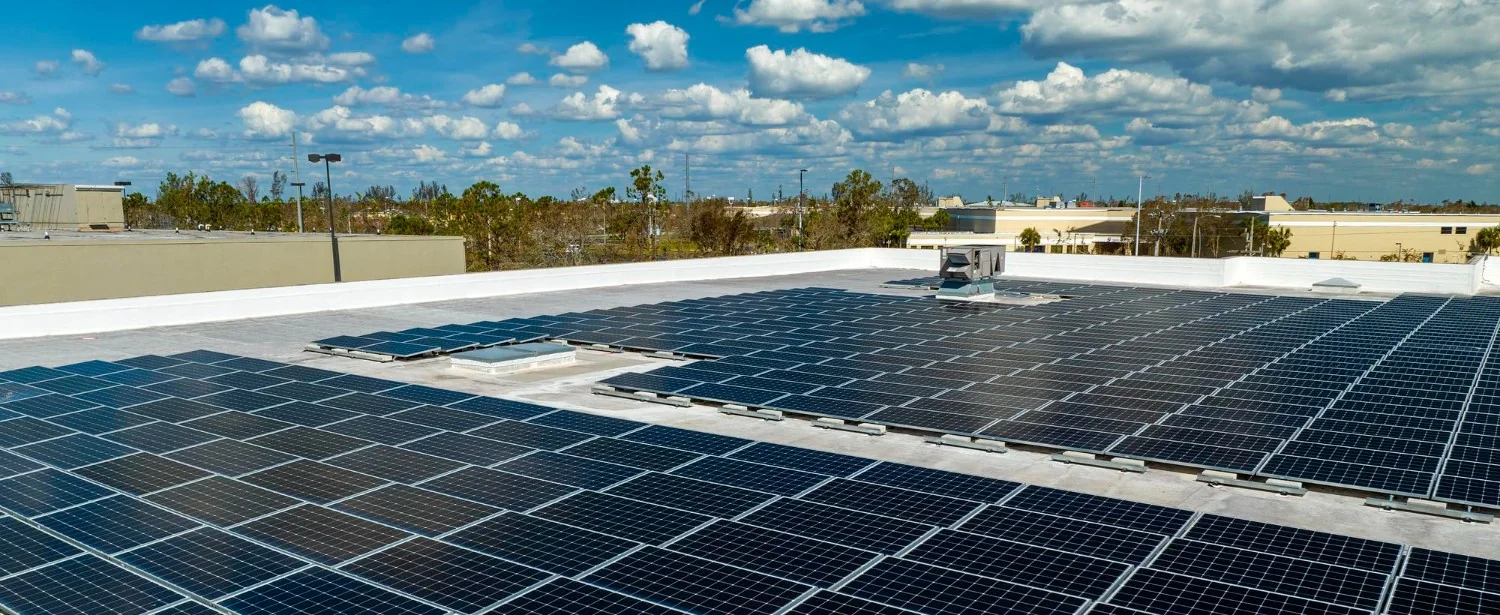
<ul><li><i>India’s rooftop solar capacity reached 30.7 GW in July 2026, increasing the need for better grid management and flexibility.</i></li><li><i>Kerala and Maharashtra are exploring battery ener…
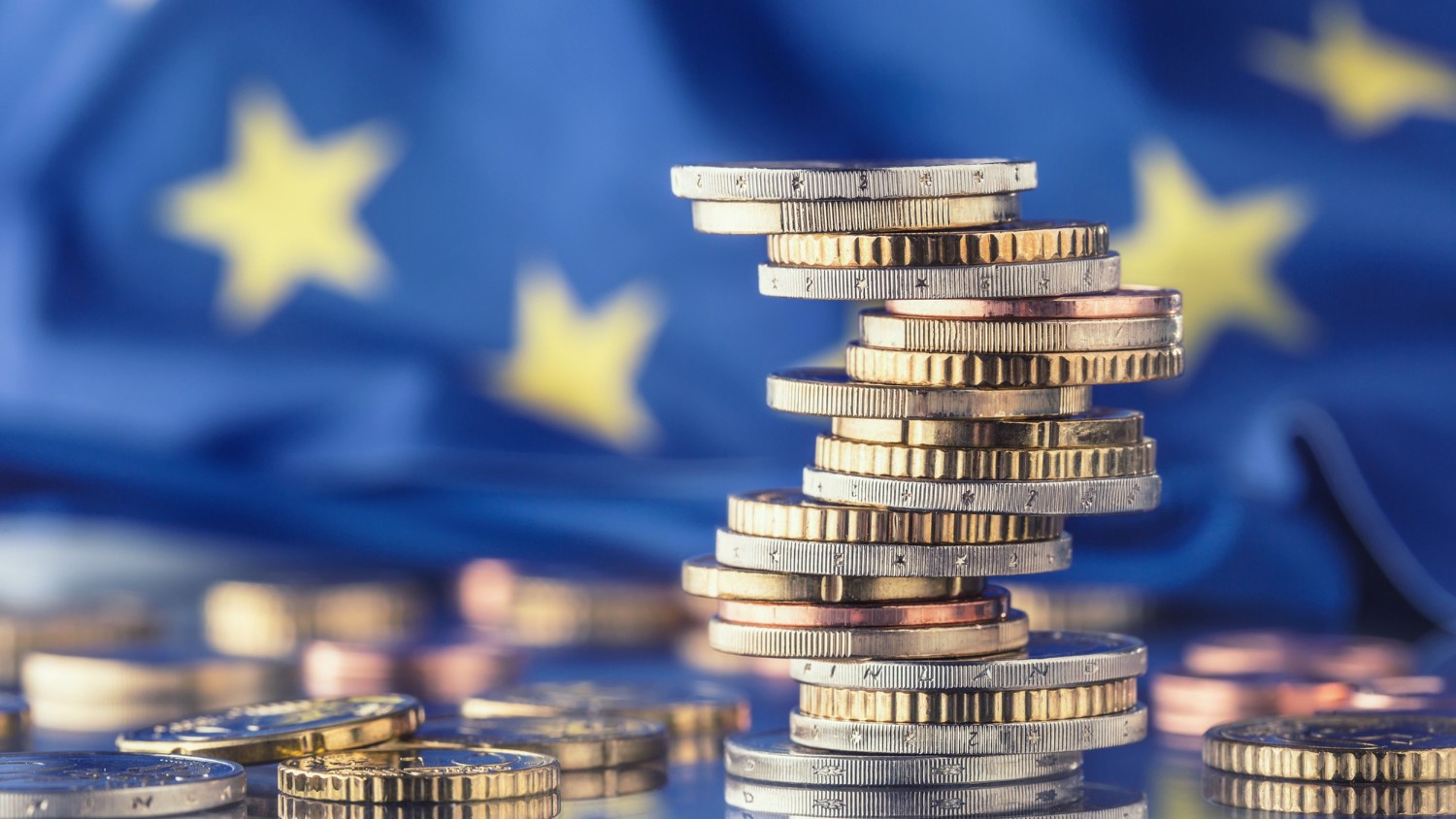
• 𝘛𝘩𝘦 𝘌𝘐𝘉 𝘎𝘳𝘰𝘶𝘱 𝘱𝘭𝘢𝘯𝘴 𝘵𝘰 𝘱𝘳𝘰𝘷𝘪𝘥𝘦 𝘢𝘵 𝘭𝘦𝘢𝘴𝘵 €30 𝘣𝘪𝘭𝘭𝘪𝘰𝘯 𝘧𝘰𝘳 𝘤𝘭𝘪𝘮𝘢𝘵𝘦 𝘢𝘥𝘢𝘱𝘵𝘢𝘵𝘪𝘰𝘯 𝘣𝘦𝘵𝘸𝘦𝘦𝘯 2026 𝘢𝘯𝘥 2030. • 𝘛𝘩𝘦 𝘯𝘦𝘸 𝘵𝘢𝘳𝘨𝘦𝘵 𝘥𝘰𝘶𝘣𝘭𝘦𝘴 𝘢𝘥𝘢𝘱𝘵𝘢𝘵𝘪𝘰𝘯 𝘧𝘪𝘯𝘢𝘯𝘤𝘪𝘯𝘨 𝘤𝘰𝘮𝘱𝘢𝘳𝘦𝘥 𝘸𝘪𝘵𝘩 𝘵𝘩𝘦 𝘱𝘳𝘦𝘷𝘪𝘰𝘶𝘴 𝘧𝘪𝘷𝘦-𝘺𝘦𝘢𝘳 𝘱𝘦𝘳𝘪𝘰𝘥. • 𝘍𝘶𝘯𝘥𝘪𝘯𝘨…