19 August 2026
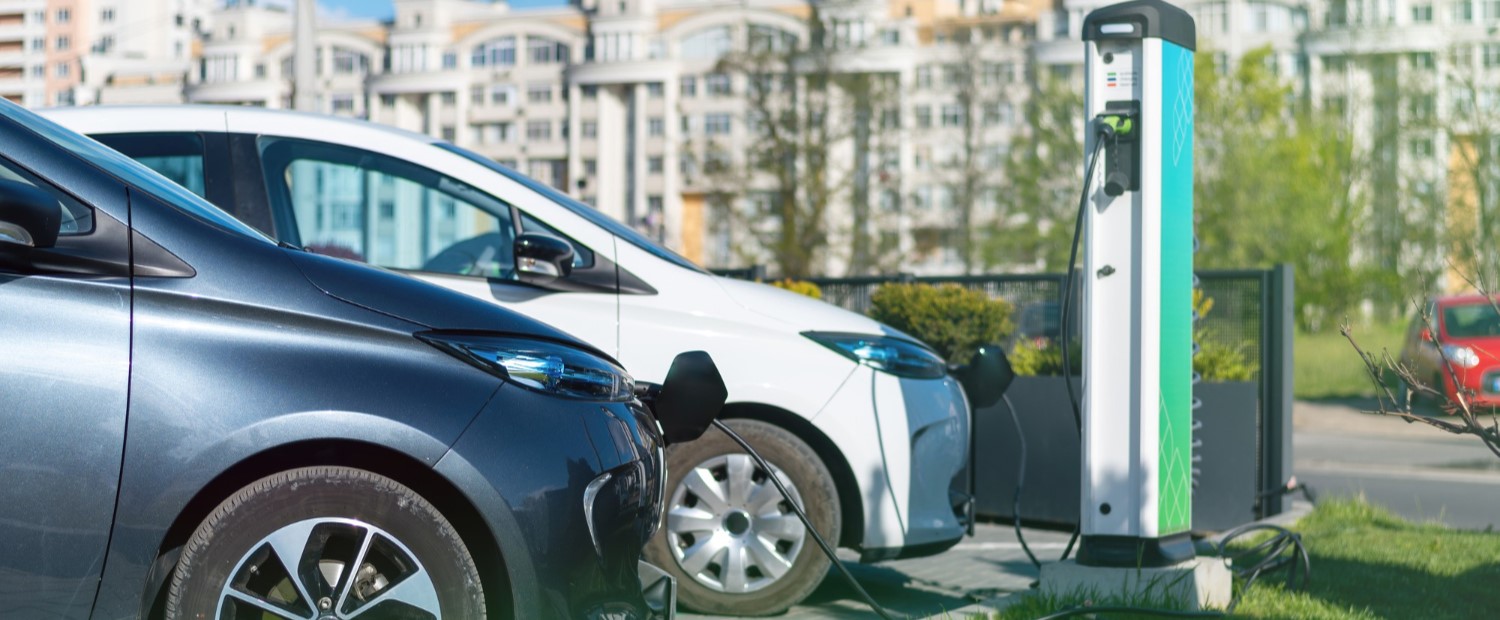
India’s electric vehicle (EV) ecosystem is showing strong growth, with electricity consumption at public EV charging stations rising by 72% in FY 2025–26, according to data cited in the Times of India report. The increase highlights growing utilisation of the country’s expanding public charging network as more consumers and commercial users shift toward electric mobility.
The rise in charging demand indicates that EVs are becoming increasingly integrated into India’s transportation system. Greater use of public chargers can also support wider EV adoption by improving charging accessibility and reducing concerns around charging availability, particularly for users who rely on public infrastructure.
The development is aligned with India’s broader push toward cleaner transportation and reduced dependence on fossil fuels. Expanding EV adoption, supported by charging infrastructure and government initiatives, is an important component of the country’s wider energy-transition and decarbonisation efforts.
For the sustainability sector, the increase in public charging consumption is a positive indicator of progress in electric mobility, clean-energy transition and sustainable transport infrastructure. However, the overall emissions benefit of EV adoption will also depend on how much of the electricity used for charging comes from renewable and other low-carbon sources.
72 percent growth in public EV charging consumption in a single fiscal year reflects the compounding effect of rising EV fleet size combined with growing charging-network utilisation. Public charging accessibility is one of the critical enablers of broader EV adoption, particularly for consumers without dedicated home charging capacity.
The renewable-electricity dimension for EV charging emissions is analytically important. EVs powered by coal-heavy grids deliver more limited emissions reductions than EVs powered by increasingly-renewable grids. India's renewable capacity expansion (see related news) combined with EV growth creates compounding decarbonisation benefit that gets stronger over time.
For EV OEMs, charging-infrastructure operators, fleet operators and financial institutions supporting Indian sustainable-mobility investment, Cognitud's climate action, energy transition and market intelligence teams help clients evaluate integrated EV-and-charging investment opportunities, structure long-term commercial arrangements aligned with corporate sustainability commitments, and prepare disclosures aligned with BRSR, ISSB and jurisdictional sustainable-mobility frameworks.

• 𝘔𝘦𝘹𝘪𝘤𝘰 𝘊𝘪𝘵𝘺 𝘩𝘢𝘴 𝘱𝘭𝘢𝘯𝘵𝘦𝘥 10 𝘮𝘪𝘭𝘭𝘪𝘰𝘯 𝘵𝘳𝘦𝘦𝘴, 𝘱𝘭𝘢𝘯𝘵𝘴, 𝘢𝘯𝘥 𝘴𝘩𝘳𝘶𝘣𝘴 𝘢𝘤𝘳𝘰𝘴𝘴 𝘤𝘰𝘯𝘴𝘦𝘳𝘷𝘢𝘵𝘪𝘰𝘯 𝘢𝘳𝘦𝘢𝘴 𝘵𝘰 𝘳𝘦𝘴𝘵𝘰𝘳𝘦 𝘦𝘤𝘰𝘴𝘺𝘴𝘵𝘦𝘮𝘴. • 𝘛𝘩𝘦 𝘤𝘪𝘵𝘺 𝘸𝘪𝘭𝘭 𝘭𝘢𝘶𝘯𝘤𝘩 𝘪𝘵𝘴 𝘭𝘢𝘳𝘨𝘦𝘴𝘵 𝘶𝘳𝘣𝘢𝘯 𝘳𝘦𝘧𝘰𝘳𝘦𝘴𝘵𝘢𝘵𝘪𝘰𝘯 𝘦𝘧𝘧𝘰𝘳𝘵, 𝘵𝘢𝘳𝘨𝘦𝘵𝘪𝘯𝘨 𝘰𝘯𝘦 𝘮𝘪𝘭𝘭𝘪𝘰𝘯 𝘢𝘥𝘥…
• 𝘕𝘰𝘳𝘸𝘢𝘺’𝘴 𝘸𝘦𝘢𝘭𝘵𝘩 𝘧𝘶𝘯𝘥 𝘮𝘢𝘯𝘢𝘨𝘦𝘳 𝘩𝘢𝘴 𝘤𝘰𝘮𝘮𝘪𝘵𝘵𝘦𝘥 $1.36 𝘣𝘪𝘭𝘭𝘪𝘰𝘯 𝘵𝘰 𝘊𝘰𝘱𝘦𝘯𝘩𝘢𝘨𝘦𝘯 𝘐𝘯𝘧𝘳𝘢𝘴𝘵𝘳𝘶𝘤𝘵𝘶𝘳𝘦 𝘗𝘢𝘳𝘵𝘯𝘦𝘳𝘴’ 𝘴𝘪𝘹𝘵𝘩 𝘧𝘭𝘢𝘨𝘴𝘩𝘪𝘱 𝘧𝘶𝘯𝘥. • 𝘛𝘩𝘦 𝘪𝘯𝘷𝘦𝘴𝘵𝘮𝘦𝘯𝘵 𝘣𝘶𝘪𝘭𝘥𝘴 𝘰𝘯 𝘢 𝘱𝘢𝘳𝘵𝘯𝘦𝘳𝘴𝘩𝘪𝘱 𝘦𝘴𝘵𝘢𝘣𝘭𝘪𝘴𝘩𝘦𝘥 𝘪𝘯 2024 𝘸𝘪𝘵𝘩 𝘢 $1.02 𝘣𝘪𝘭𝘭𝘪𝘰𝘯…
<ul><li><i>Union Cabinet approves the third phase of the Green Energy Corridor programme.</i></li><li><i>The scheme will add 51,126 circuit kilometres of transmission lines and around 229 GVA of trans…