


10 February 2026
The Ministry of Investment, Trade and Industry (Miti) announced stepped-up actions to combat the illegal importation of mixed or unsorted waste paper, including paper contaminated with plastic, which contravenes Malaysian environmental regulations. Authorities said the country prohibits such waste imports under its current legal framework, and enforcement agencies will work together to ensure compliance.
Officials emphasised that any non-compliant shipment discovered at the border must be repatriated to the country of origin at the importer’s expense, and offenders will face enforcement action under existing laws. Mixed waste paper imports have been a growing concern because they often arrive disguised as recyclable material but are contaminated, increasing the risk of environmental harm and pressure on waste management systems.
The government’s response follows reports from media and environmental watchdogs that some shipments of waste paper from countries such as the United States were being exported under misleading classifications, in violation of international environmental regulations and Malaysia’s import standards.
Malaysia only allows certain grades of uncontaminated waste paper under strict inspection and certification processes, aimed at protecting local industries and the environment from hazardous or mixed waste streams.
In a coordinated effort, Miti said it will strengthen inter-agency cooperation, information sharing, and inspections at ports to prevent illegal waste from entering the country. This move underscores Malaysia’s commitment to enforcing environmental rules and preventing the nation from becoming a destination for contaminated foreign waste, aligning with broader sustainability goals in waste management and recycling governance.
Enforcement against illegal waste imports signals Malaysia is moving from guidance to prosecution on cross-border circular-economy compliance, and it affects paper, packaging and recycling operators across the region. Our circular-economy and sustainability-due-diligence teams help clients evaluate cross-border waste-flow exposure and align with tightening ASEAN circular-economy rules.

• 𝘛𝘩𝘦 𝘜𝘈𝘌 𝘍𝘰𝘰𝘥 𝘉𝘢𝘯𝘬 𝘢𝘯𝘥 𝘋𝘶𝘣𝘢𝘪’𝘴 𝘊𝘰𝘮𝘮𝘶𝘯𝘪𝘵𝘺 𝘋𝘦𝘷𝘦𝘭𝘰𝘱𝘮𝘦𝘯𝘵 𝘈𝘶𝘵𝘩𝘰𝘳𝘪𝘵𝘺 (𝘊𝘋𝘈) 𝘩𝘢𝘷𝘦 𝘴𝘪𝘨𝘯𝘦𝘥 𝘢𝘯 𝘢𝘨𝘳𝘦𝘦𝘮𝘦𝘯𝘵 𝘵𝘰 𝘤𝘰𝘭𝘭𝘦𝘤𝘵 𝘢𝘯𝘥 𝘳𝘦𝘥𝘪𝘴𝘵𝘳𝘪𝘣𝘶𝘵𝘦 𝘴𝘶𝘳𝘱𝘭𝘶𝘴 𝘧𝘰𝘰𝘥 𝘧𝘳𝘰𝘮 𝘸𝘦𝘥𝘥𝘪𝘯𝘨𝘴 𝘢𝘯𝘥 𝘦𝘷𝘦𝘯𝘵𝘴. • 𝘛𝘩𝘦 𝘪𝘯𝘪𝘵𝘪𝘢𝘵𝘪𝘷𝘦 𝘸𝘪𝘭𝘭 𝘧𝘰𝘭𝘭𝘰𝘸 𝘢𝘱𝘱𝘳𝘰𝘷𝘦𝘥…
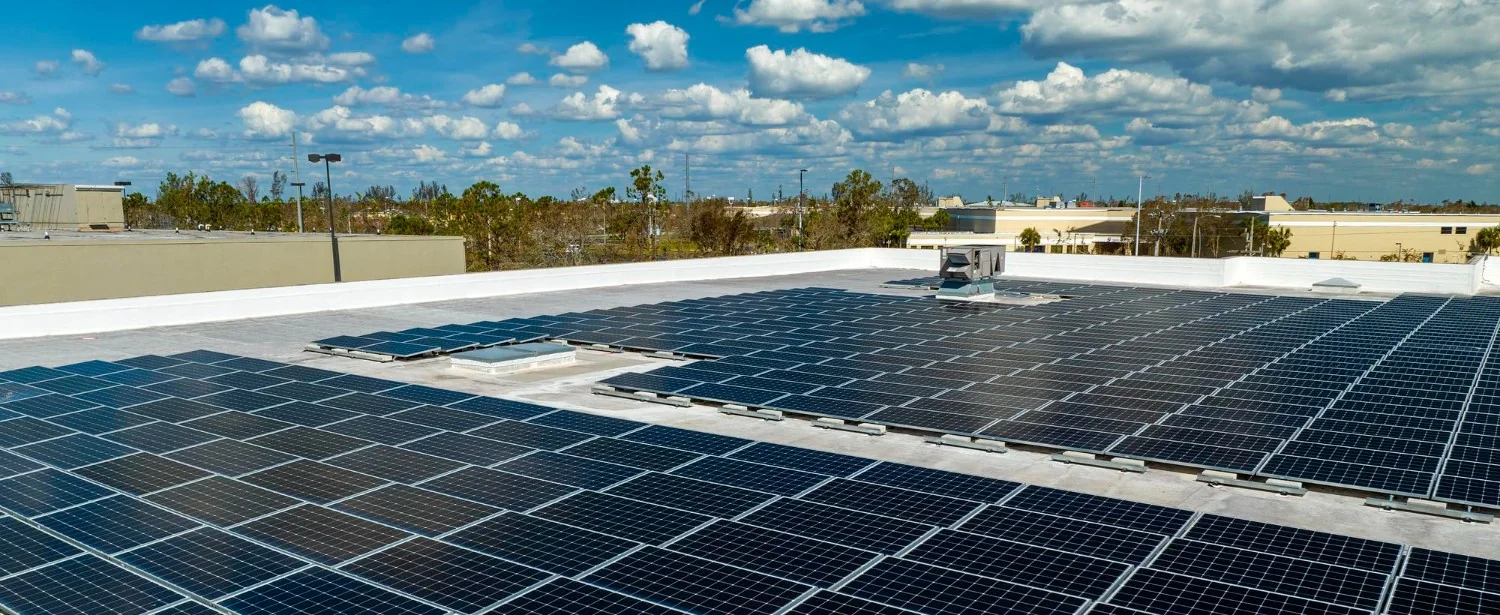
<ul><li><i>India’s rooftop solar capacity reached 30.7 GW in July 2026, increasing the need for better grid management and flexibility.</i></li><li><i>Kerala and Maharashtra are exploring battery ener…

• 𝘛𝘩𝘦 𝘌𝘐𝘉 𝘎𝘳𝘰𝘶𝘱 𝘱𝘭𝘢𝘯𝘴 𝘵𝘰 𝘱𝘳𝘰𝘷𝘪𝘥𝘦 𝘢𝘵 𝘭𝘦𝘢𝘴𝘵 €30 𝘣𝘪𝘭𝘭𝘪𝘰𝘯 𝘧𝘰𝘳 𝘤𝘭𝘪𝘮𝘢𝘵𝘦 𝘢𝘥𝘢𝘱𝘵𝘢𝘵𝘪𝘰𝘯 𝘣𝘦𝘵𝘸𝘦𝘦𝘯 2026 𝘢𝘯𝘥 2030. • 𝘛𝘩𝘦 𝘯𝘦𝘸 𝘵𝘢𝘳𝘨𝘦𝘵 𝘥𝘰𝘶𝘣𝘭𝘦𝘴 𝘢𝘥𝘢𝘱𝘵𝘢𝘵𝘪𝘰𝘯 𝘧𝘪𝘯𝘢𝘯𝘤𝘪𝘯𝘨 𝘤𝘰𝘮𝘱𝘢𝘳𝘦𝘥 𝘸𝘪𝘵𝘩 𝘵𝘩𝘦 𝘱𝘳𝘦𝘷𝘪𝘰𝘶𝘴 𝘧𝘪𝘷𝘦-𝘺𝘦𝘢𝘳 𝘱𝘦𝘳𝘪𝘰𝘥. • 𝘍𝘶𝘯𝘥𝘪𝘯𝘨…