


02 July 2025
In the first half of 2025, Malaysia’s ESG (Environmental, Social, and Governance) bond market more than doubled, with total issuance rising to RM7.93 billion, compared to RM3.57 billion during the same period in 2024. This significant increase reflected the country’s deepening commitment to sustainable finance and responsible investment.
Malaysia Rail Link Sdn Bhd, a government-owned company overseeing the East Coast Rail Link (ECRL) project, emerged as the top issuer. It raised RM3.9 billion through eight separate bond issuances, contributing nearly half of the total ESG bond volume during the period. This trend highlighted how major infrastructure projects in Malaysia embraced sustainability-linked financing in alignment with national development goals.
Other key issuers included Cagamas Bhd and SunREIT Bond Bhd, which secured RM800 million and RM520 million respectively. The Malaysian government stood out as the most traded ESG bond issuer in the secondary market, with a traded value of RM5.38 billion across 328 bond lines-up from RM2.93 billion in 2024.
The Bond Pricing Agency Malaysia (BPAM) noted broader participation across sectors such as utilities, healthcare, logistics, and real estate. Notable issuers in these industries comprised TNB Power Generation, Sunway Healthcare Treasury, Air Selangor, and Global Vision Logistics, reinforcing Malaysia’s momentum in building a robust green finance ecosystem.
RM7.93 billion ESG bond issuance in H1 2025 (up from RM3.57 billion in H1 2024) plus infrastructure-anchor issuance (ECRL) plus expanding sector participation (utilities, healthcare, logistics, real estate) reflects genuine maturation of Malaysian green-finance market. The doubling year-on-year growth combined with secondary-market trading depth captures both primary issuance ambition and investor absorption capacity.
Infrastructure sustainability-linked financing (ECRL as top issuer at RM3.9 billion) is analytically important. Rail infrastructure carries substantial capital requirements but relatively predictable long-term cash-flows - a natural match for sustainability-linked bond structures. Well-designed frameworks enable infrastructure programmes to access broader investor pools than pure-commercial issuance would achieve.
For corporate issuers, project developers, financial institutions and institutional investors with Malaysian ESG-bond exposure, Cognitud's responsible investment, ESG strategy and transformation and market intelligence teams help clients evaluate Malaysian sustainable-finance opportunities, structure long-term issuance-and-investment programmes aligned with market maturation, and prepare disclosures aligned with Bursa Malaysia, ISSB and jurisdictional sustainable-finance frameworks.
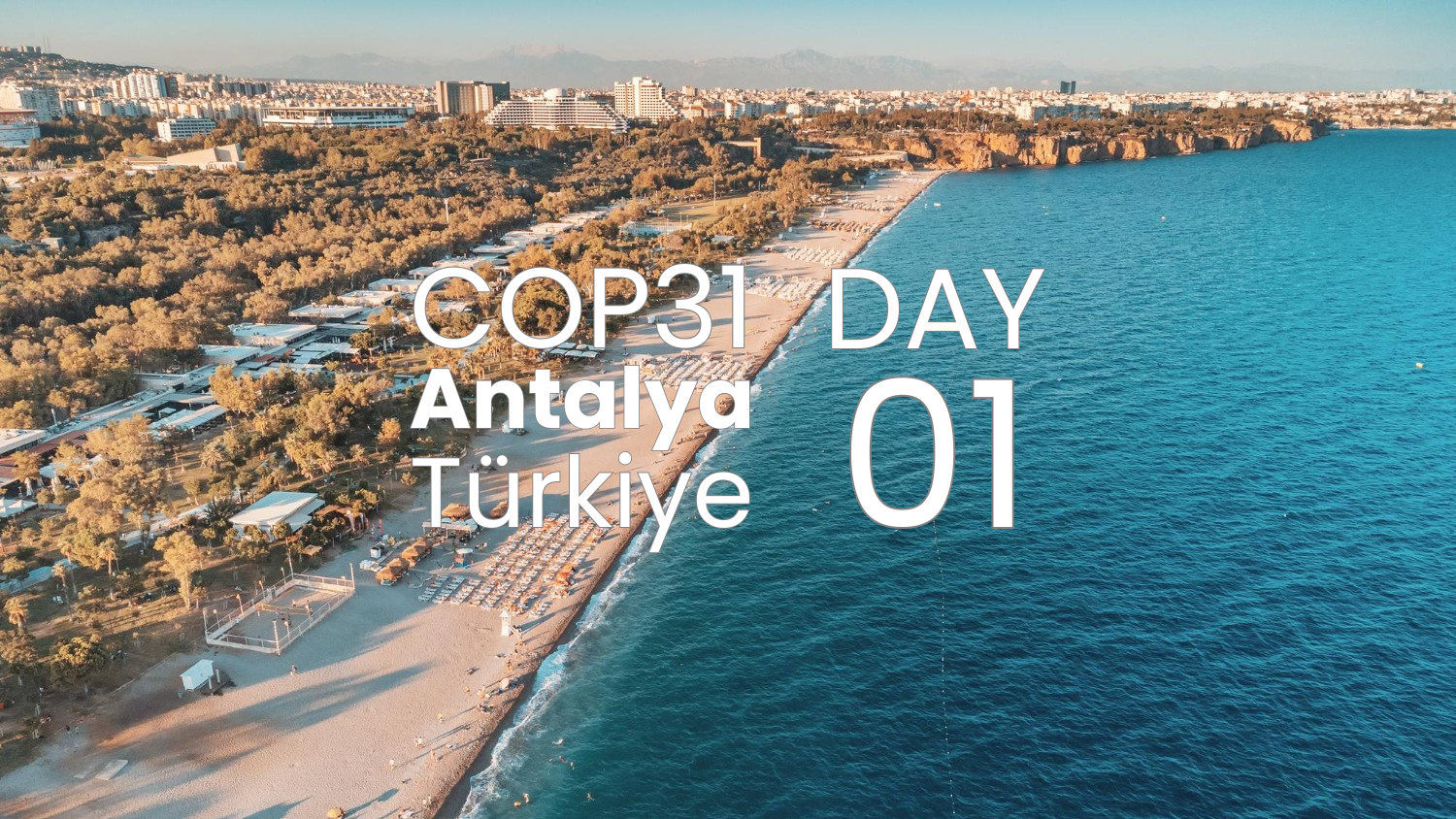
The 31st UN Climate Change Conference (COP31) opened in Antalya, Türkiye, on 9 November 2026, bringing together governments and stakeholders to address the growing urgency of climate action. Following…
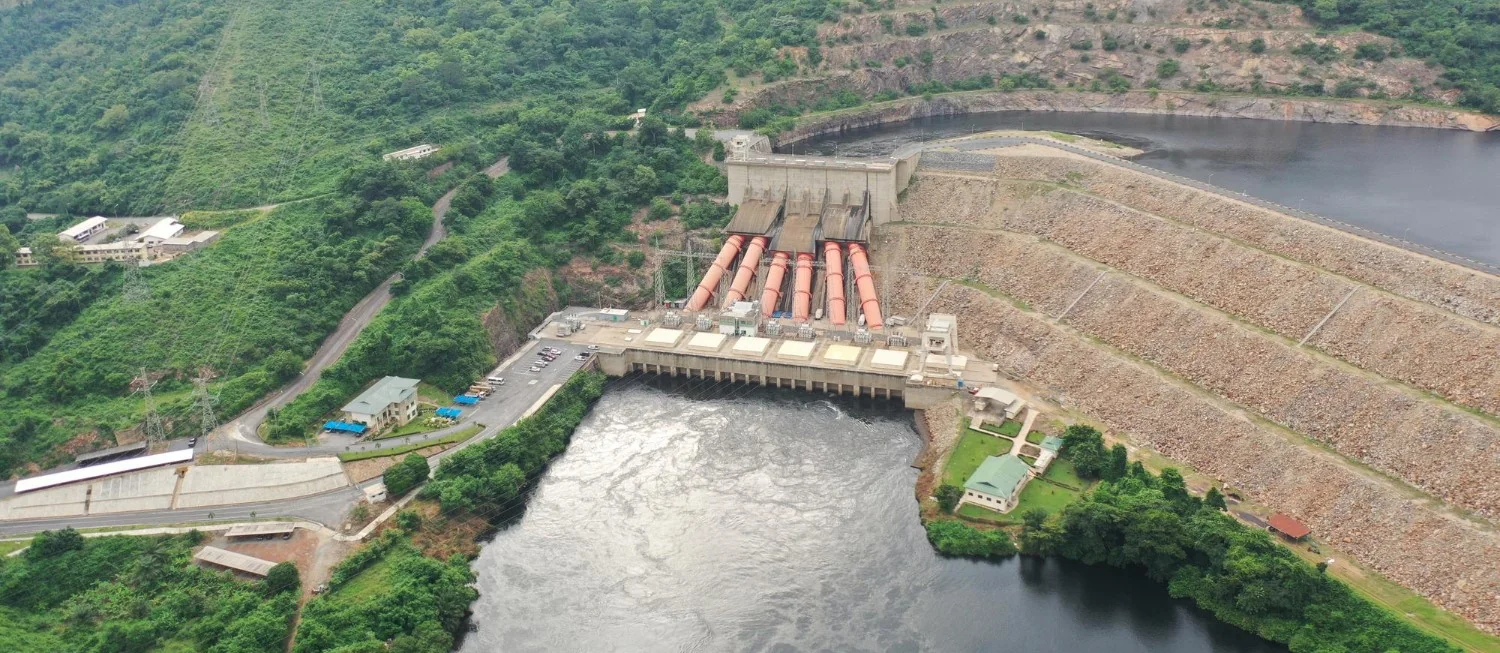
<ul><li><i>The state government of Odisha has approved the ₹4,708.64 crore Upper Indravati Pumped Storage Project.</i></li><li><i>The proposed facility will have an installed capacity of 600 MW.</i></…
<ul><li><i>Thailand's Securities and Exchange Commission (SEC) has introduced mandatory sustainability disclosure regulations aligned with International Sustainability Standards Board (ISSB) standards…