

04 June 2026
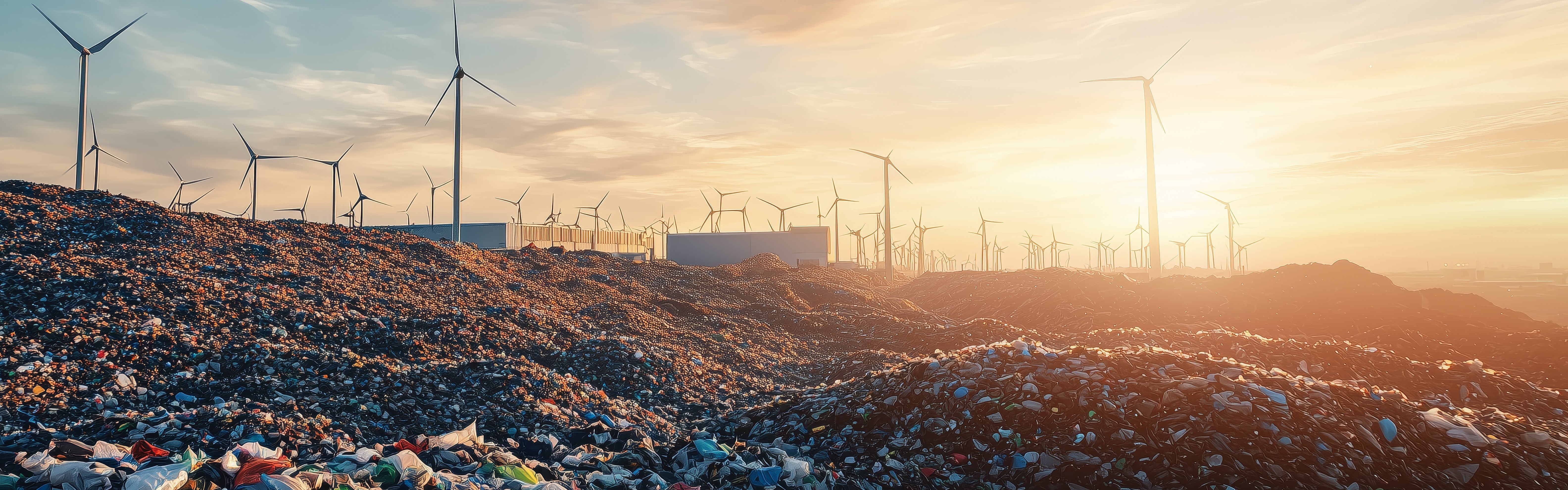
Malaysia is accelerating the development of waste-to-energy (WTE) infrastructure as part of efforts to address growing waste volumes, reduce reliance on landfills and increase renewable energy generation. The initiative forms part of the country's broader strategy to improve waste management while supporting long-term sustainability goals.
The country recently began operations at its largest WTE facility in Jeram, Selangor. When fully operational, the facility is expected to process up to 3,000 tonnes of household waste per day and generate 50 megawatts of electricity, enough to supply power to more than 11,000 homes. The project is designed to extend landfill lifespan by diverting waste from disposal sites and converting it into energy.
Malaysia aims to develop 18 waste-to-energy plants nationwide by 2040, with a combined capacity of approximately 600 megawatts. Authorities view the programme as a way to tackle rising waste generation while contributing to the country's renewable energy targets and reducing pressure on existing landfill infrastructure. Environmental agencies have warned that many of Malaysia's landfills could reach capacity in the coming decades if current waste disposal practices continue.
The expansion of WTE facilities has also prompted discussions around environmental safeguards, with community groups and environmental organisations calling for greater transparency on emissions monitoring and waste by-product management. Experts have emphasised the importance of robust environmental oversight and public engagement as Malaysia advances its waste-to-energy strategy.
Officials and researchers say waste-to-energy projects could play an important role in diversifying energy sources, reducing landfill dependence and strengthening resource efficiency, provided environmental standards and monitoring systems are effectively implemented.
Waste-to-energy expansion combines circular-economy delivery with firm-power supply - a rare double win in Malaysian sustainability planning. Our circular-economy and energy-transition teams help clients evaluate WtE opportunities against project economics, air-quality disclosure and community engagement.

• 𝘛𝘩𝘦 𝘜𝘈𝘌 𝘍𝘰𝘰𝘥 𝘉𝘢𝘯𝘬 𝘢𝘯𝘥 𝘋𝘶𝘣𝘢𝘪’𝘴 𝘊𝘰𝘮𝘮𝘶𝘯𝘪𝘵𝘺 𝘋𝘦𝘷𝘦𝘭𝘰𝘱𝘮𝘦𝘯𝘵 𝘈𝘶𝘵𝘩𝘰𝘳𝘪𝘵𝘺 (𝘊𝘋𝘈) 𝘩𝘢𝘷𝘦 𝘴𝘪𝘨𝘯𝘦𝘥 𝘢𝘯 𝘢𝘨𝘳𝘦𝘦𝘮𝘦𝘯𝘵 𝘵𝘰 𝘤𝘰𝘭𝘭𝘦𝘤𝘵 𝘢𝘯𝘥 𝘳𝘦𝘥𝘪𝘴𝘵𝘳𝘪𝘣𝘶𝘵𝘦 𝘴𝘶𝘳𝘱𝘭𝘶𝘴 𝘧𝘰𝘰𝘥 𝘧𝘳𝘰𝘮 𝘸𝘦𝘥𝘥𝘪𝘯𝘨𝘴 𝘢𝘯𝘥 𝘦𝘷𝘦𝘯𝘵𝘴. • 𝘛𝘩𝘦 𝘪𝘯𝘪𝘵𝘪𝘢𝘵𝘪𝘷𝘦 𝘸𝘪𝘭𝘭 𝘧𝘰𝘭𝘭𝘰𝘸 𝘢𝘱𝘱𝘳𝘰𝘷𝘦𝘥…
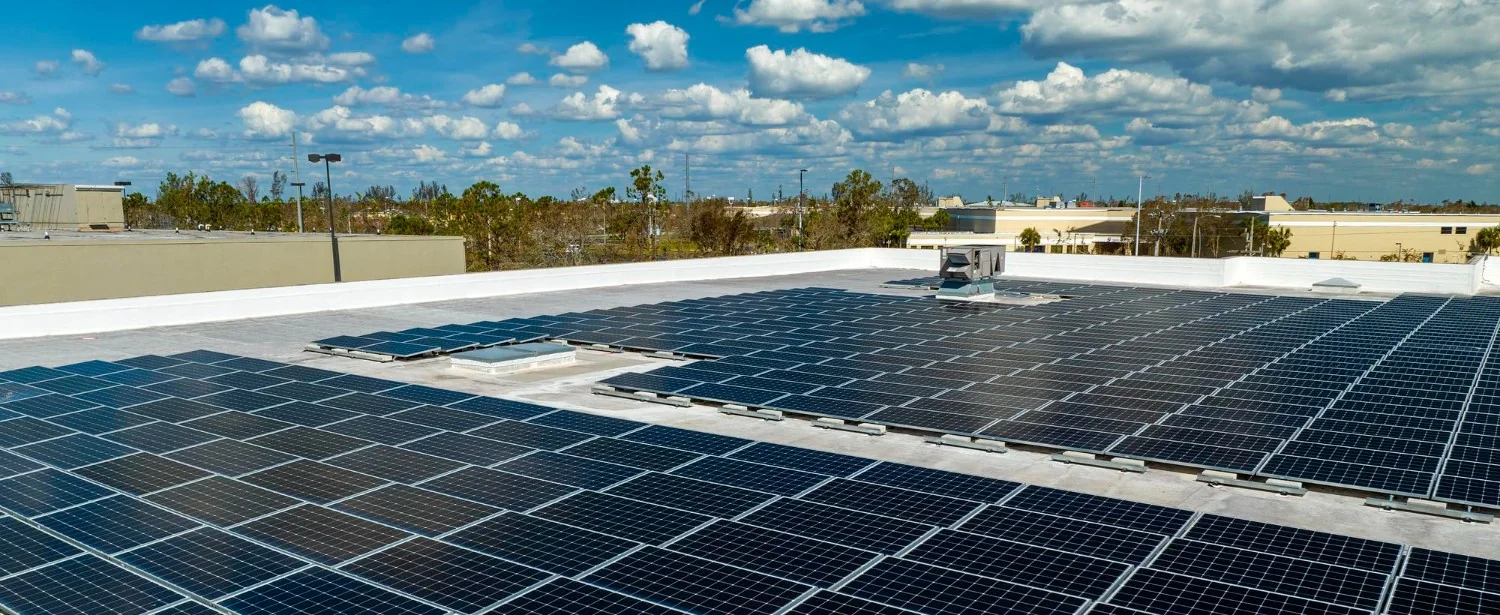
<ul><li><i>India’s rooftop solar capacity reached 30.7 GW in July 2026, increasing the need for better grid management and flexibility.</i></li><li><i>Kerala and Maharashtra are exploring battery ener…

• 𝘛𝘩𝘦 𝘌𝘐𝘉 𝘎𝘳𝘰𝘶𝘱 𝘱𝘭𝘢𝘯𝘴 𝘵𝘰 𝘱𝘳𝘰𝘷𝘪𝘥𝘦 𝘢𝘵 𝘭𝘦𝘢𝘴𝘵 €30 𝘣𝘪𝘭𝘭𝘪𝘰𝘯 𝘧𝘰𝘳 𝘤𝘭𝘪𝘮𝘢𝘵𝘦 𝘢𝘥𝘢𝘱𝘵𝘢𝘵𝘪𝘰𝘯 𝘣𝘦𝘵𝘸𝘦𝘦𝘯 2026 𝘢𝘯𝘥 2030. • 𝘛𝘩𝘦 𝘯𝘦𝘸 𝘵𝘢𝘳𝘨𝘦𝘵 𝘥𝘰𝘶𝘣𝘭𝘦𝘴 𝘢𝘥𝘢𝘱𝘵𝘢𝘵𝘪𝘰𝘯 𝘧𝘪𝘯𝘢𝘯𝘤𝘪𝘯𝘨 𝘤𝘰𝘮𝘱𝘢𝘳𝘦𝘥 𝘸𝘪𝘵𝘩 𝘵𝘩𝘦 𝘱𝘳𝘦𝘷𝘪𝘰𝘶𝘴 𝘧𝘪𝘷𝘦-𝘺𝘦𝘢𝘳 𝘱𝘦𝘳𝘪𝘰𝘥. • 𝘍𝘶𝘯𝘥𝘪𝘯𝘨…