18 August 2026
Malaysia and Indonesia have agreed to strengthen cooperation to tackle transboundary haze, with both countries planning closer coordination on hotspot monitoring, enforcement against open burning and regional measures to prevent fires from worsening air pollution. The agreement reflects growing efforts to address haze as a shared environmental and public-health challenge across Southeast Asia.
Malaysia's Natural Resources and Environmental Sustainability Minister Arthur Joseph Kurup said discussions with his Indonesian counterpart had resulted in an agreement to increase collaboration. Planned measures include stronger monitoring of fire hotspots and greater involvement of enforcement agencies to prevent illegal open burning.
The two countries are also considering the possibility of sharing airspace and assets for cloud-seeding operations when weather conditions require such intervention. Malaysia has indicated that these measures could become increasingly important as the region enters a period of drier conditions associated with a projected “super El Niño” phase, which could increase the risk of fires and haze.
Transboundary haze has implications beyond air quality, affecting public health, ecosystems, visibility and economic activity across national borders. Malaysia is therefore continuing to push for stronger coordination through ASEAN, recognising that fires and resulting pollution in one country can have consequences for neighbouring states.
The renewed cooperation highlights the importance of regional environmental governance and coordinated climate resilience measures in Southeast Asia. By improving early monitoring, strengthening enforcement and sharing technical and operational resources, Malaysia and Indonesia aim to reduce the risks associated with land and forest fires while improving the region's ability to respond to recurring haze events.
Transboundary haze cooperation matters for ASEAN corporates whose operations, workforce and reputation are affected by regional air-quality episodes, and it will shape TCFD-aligned physical-risk disclosure. Our climate-action and impact-assessment teams help clients quantify air-quality exposure and align disclosure with emerging ASEAN frameworks.
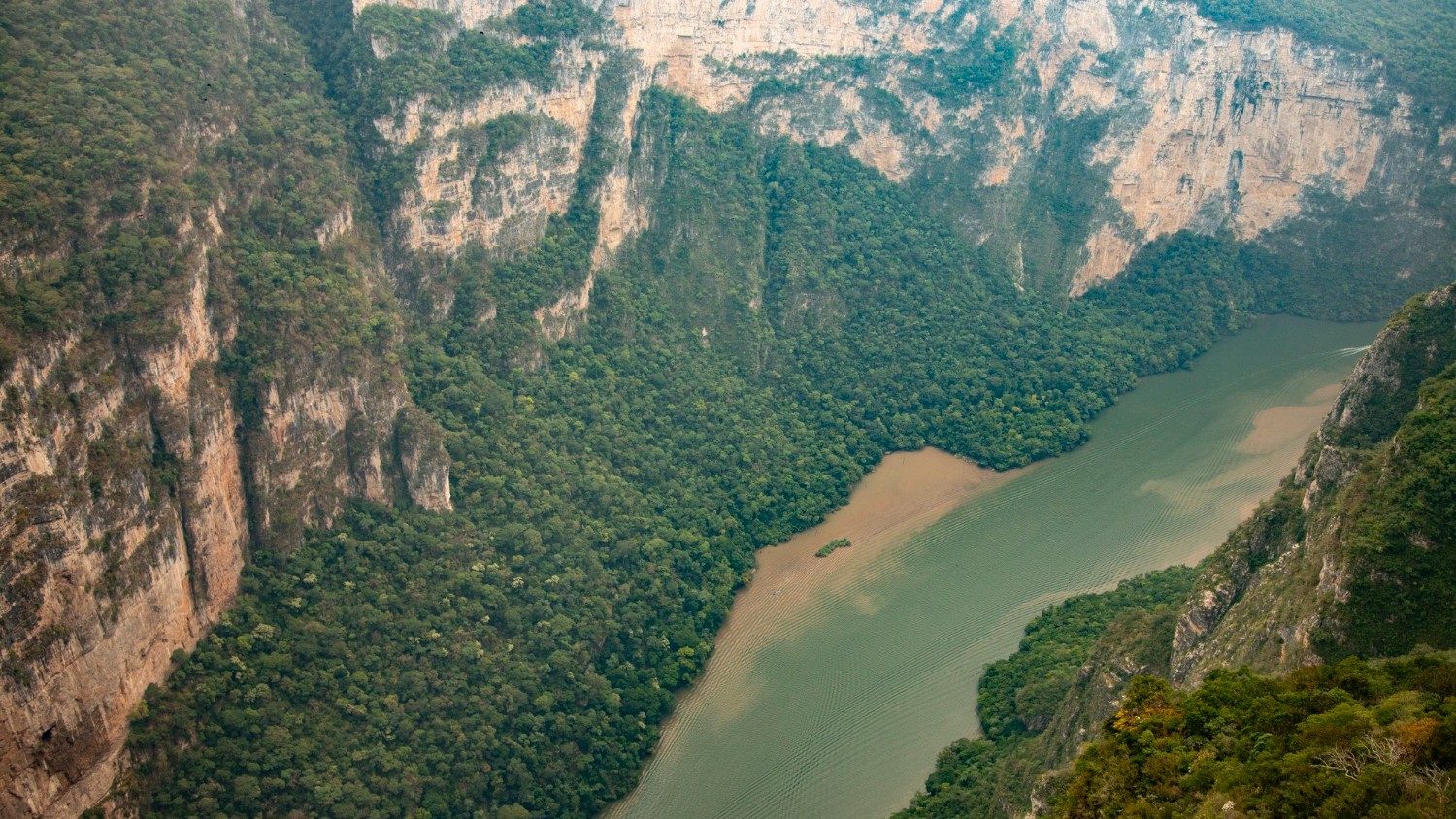
• 𝘔𝘦𝘹𝘪𝘤𝘰 𝘊𝘪𝘵𝘺 𝘩𝘢𝘴 𝘱𝘭𝘢𝘯𝘵𝘦𝘥 10 𝘮𝘪𝘭𝘭𝘪𝘰𝘯 𝘵𝘳𝘦𝘦𝘴, 𝘱𝘭𝘢𝘯𝘵𝘴, 𝘢𝘯𝘥 𝘴𝘩𝘳𝘶𝘣𝘴 𝘢𝘤𝘳𝘰𝘴𝘴 𝘤𝘰𝘯𝘴𝘦𝘳𝘷𝘢𝘵𝘪𝘰𝘯 𝘢𝘳𝘦𝘢𝘴 𝘵𝘰 𝘳𝘦𝘴𝘵𝘰𝘳𝘦 𝘦𝘤𝘰𝘴𝘺𝘴𝘵𝘦𝘮𝘴. • 𝘛𝘩𝘦 𝘤𝘪𝘵𝘺 𝘸𝘪𝘭𝘭 𝘭𝘢𝘶𝘯𝘤𝘩 𝘪𝘵𝘴 𝘭𝘢𝘳𝘨𝘦𝘴𝘵 𝘶𝘳𝘣𝘢𝘯 𝘳𝘦𝘧𝘰𝘳𝘦𝘴𝘵𝘢𝘵𝘪𝘰𝘯 𝘦𝘧𝘧𝘰𝘳𝘵, 𝘵𝘢𝘳𝘨𝘦𝘵𝘪𝘯𝘨 𝘰𝘯𝘦 𝘮𝘪𝘭𝘭𝘪𝘰𝘯 𝘢𝘥𝘥…
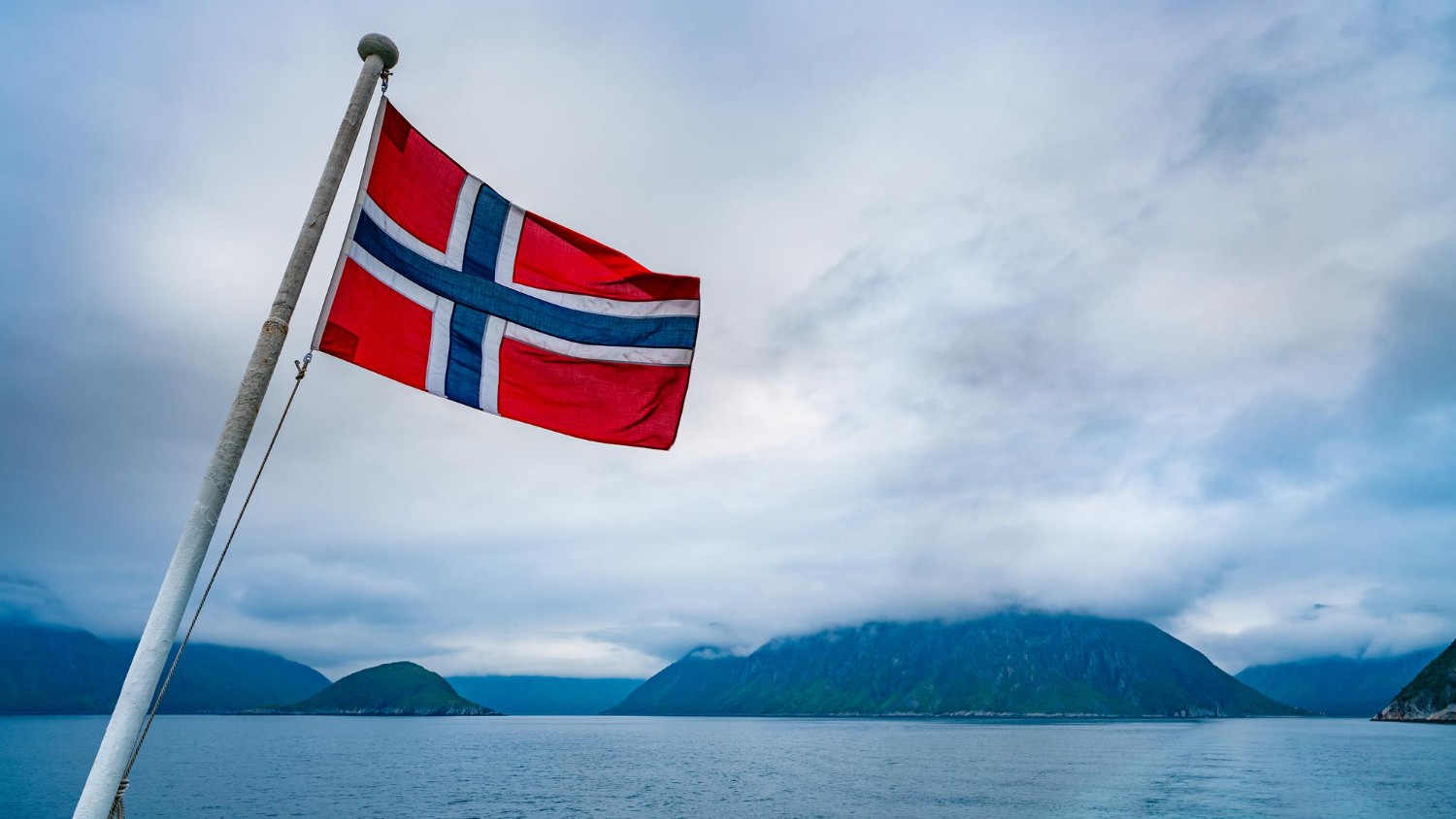
• 𝘕𝘰𝘳𝘸𝘢𝘺’𝘴 𝘸𝘦𝘢𝘭𝘵𝘩 𝘧𝘶𝘯𝘥 𝘮𝘢𝘯𝘢𝘨𝘦𝘳 𝘩𝘢𝘴 𝘤𝘰𝘮𝘮𝘪𝘵𝘵𝘦𝘥 $1.36 𝘣𝘪𝘭𝘭𝘪𝘰𝘯 𝘵𝘰 𝘊𝘰𝘱𝘦𝘯𝘩𝘢𝘨𝘦𝘯 𝘐𝘯𝘧𝘳𝘢𝘴𝘵𝘳𝘶𝘤𝘵𝘶𝘳𝘦 𝘗𝘢𝘳𝘵𝘯𝘦𝘳𝘴’ 𝘴𝘪𝘹𝘵𝘩 𝘧𝘭𝘢𝘨𝘴𝘩𝘪𝘱 𝘧𝘶𝘯𝘥. • 𝘛𝘩𝘦 𝘪𝘯𝘷𝘦𝘴𝘵𝘮𝘦𝘯𝘵 𝘣𝘶𝘪𝘭𝘥𝘴 𝘰𝘯 𝘢 𝘱𝘢𝘳𝘵𝘯𝘦𝘳𝘴𝘩𝘪𝘱 𝘦𝘴𝘵𝘢𝘣𝘭𝘪𝘴𝘩𝘦𝘥 𝘪𝘯 2024 𝘸𝘪𝘵𝘩 𝘢 $1.02 𝘣𝘪𝘭𝘭𝘪𝘰𝘯…
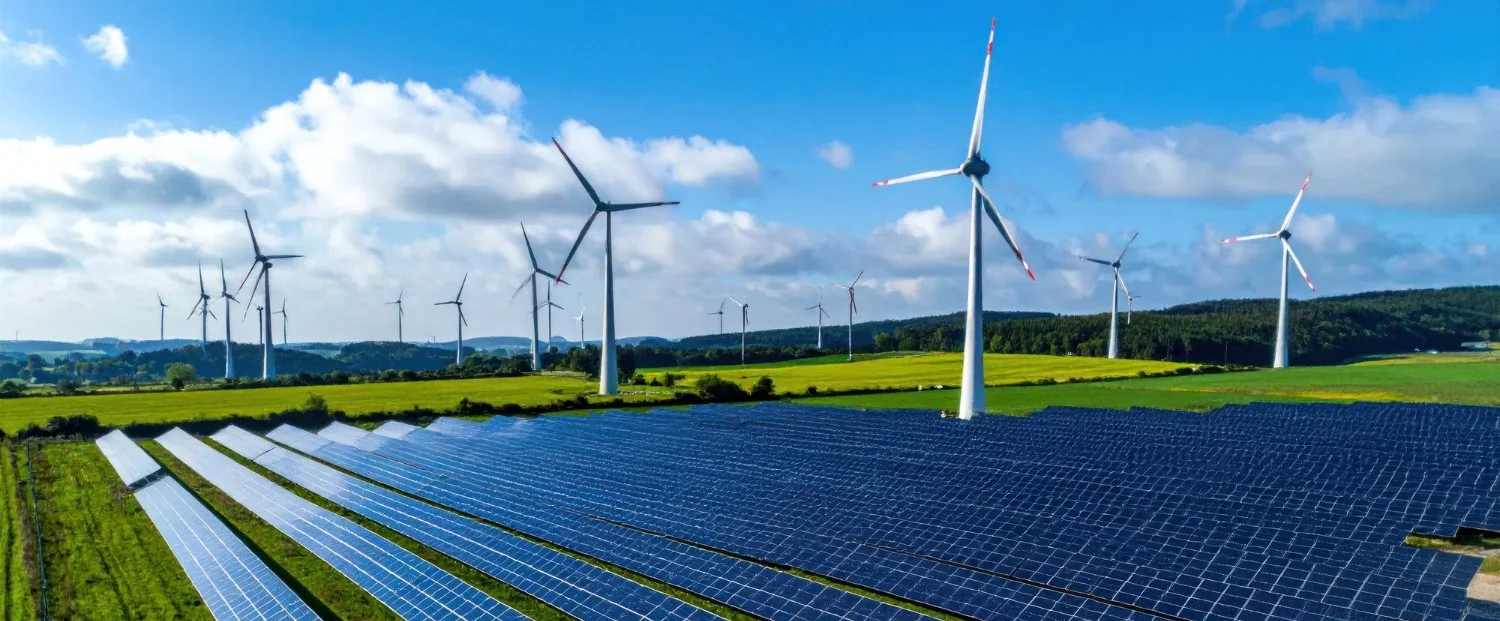
<ul><li><i>Union Cabinet approves the third phase of the Green Energy Corridor programme.</i></li><li><i>The scheme will add 51,126 circuit kilometres of transmission lines and around 229 GVA of trans…