- India’s draft National Steel Policy – Vision 2047 targets increasing steelmaking capacity from approximately 220 million tonnes to 604 million tonnes by 2047.
- The proposal aims to reduce average carbon-emission intensity from 2.54 to 1.54 tonnes of CO₂ per tonne of crude steel over the same period.
- Measures include improving energy efficiency, expanding scrap utilization and promoting lower-carbon steelmaking technologies.
- The policy addresses raw-material security, with projected iron ore demand of 772 million tonnes and coking coal demand of 236 million tonnes by 2047.
- The Ministry of Steel has invited public feedback on the draft until October 30, 2026.
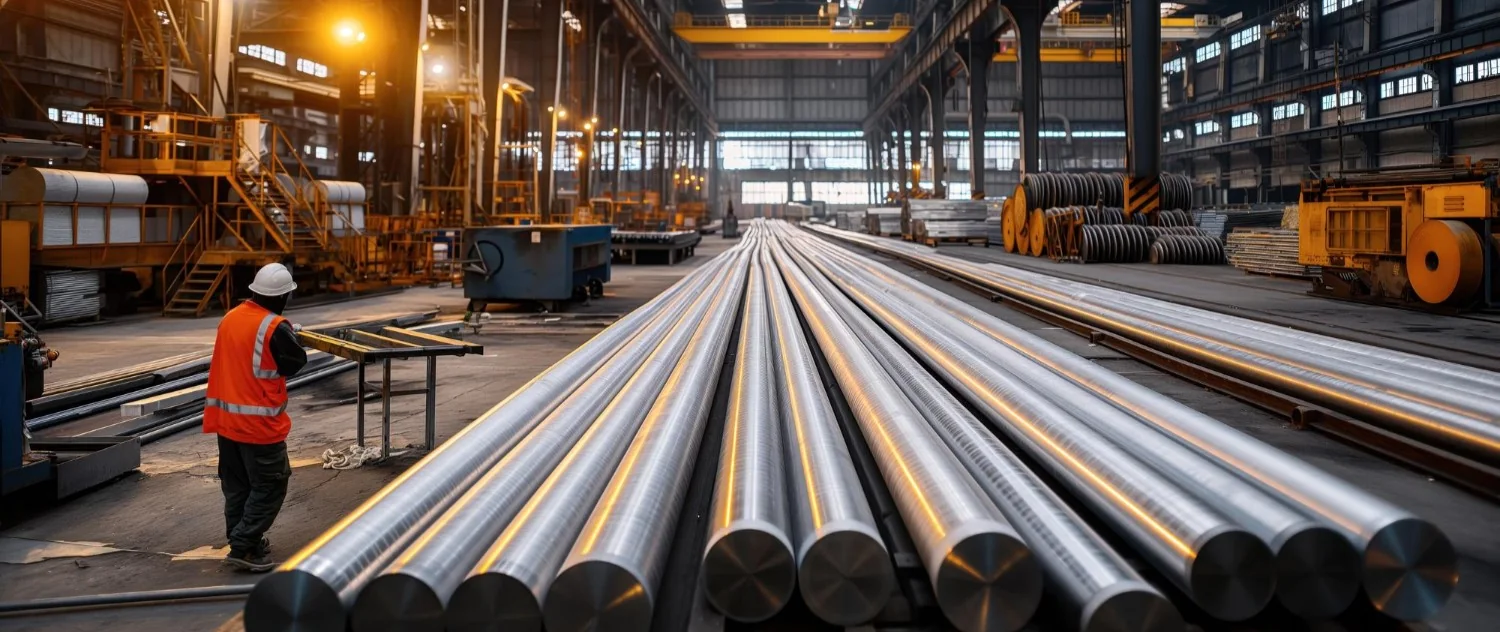
India’s Ministry of Steel has released the draft National Steel Policy – Vision 2047 for public consultation, outlining a long-term roadmap for expanding domestic steel production while addressing the sector’s environmental impact. The proposal aims to increase crude steelmaking capacity from around 220 million tonnes to 604 million tonnes by 2047. It is intended to replace the National Steel Policy 2017 and provide direction for industrial expansion, resource availability and emissions reduction.
A central sustainability objective is to lower the steel industry’s average carbon-emission intensity from 2.54 tonnes of CO₂ per tonne of crude steel to approximately 1.54 tonnes by 2047. This represents a proposed reduction of about 39% in emissions per tonne of steel and supports India’s broader commitment to achieving net-zero emissions by 2070. However, reducing emissions intensity does not necessarily mean total emissions will decline, particularly if steel production increases substantially.
The draft outlines several approaches to improving the environmental performance of steelmaking. These include greater energy efficiency, increased use of steel scrap, renewable energy adoption and the development of lower-carbon production routes. Hydrogen-based direct reduced iron and carbon capture, utilization and storage are among the technologies relevant to the sector’s longer-term transition. Their adoption will depend on technology readiness, infrastructure availability and project economics.
Raw-material availability is another major component of the proposed roadmap. The Ministry of Steel projects that iron ore demand could reach 772 million tonnes annually by 2047, while coking coal demand could rise to 236 million tonnes. The draft discusses securing access to high-grade iron ore through overseas assets and joint ventures, alongside diversifying coking coal sourcing. These requirements present a significant challenge because expanding conventional steel production could increase pressure on resource availability and maintain reliance on carbon-intensive inputs.
The proposed policy also addresses the broader competitiveness of India’s steel industry, including domestic manufacturing, infrastructure, technology development and export growth. By setting long-term capacity and emissions-intensity targets, it seeks to align industrial expansion with improvements in production efficiency and environmental performance. As the document remains open for consultation, the final policy may evolve following feedback from industry stakeholders and other interested parties.
For steel producers, manufacturers and infrastructure companies, the proposed roadmap could increase the importance of energy efficiency, scrap recovery, emissions monitoring and investment in lower-carbon production technologies. Businesses across the steel value chain may need to assess future capital requirements, raw-material sourcing strategies and emissions performance as the policy develops.
As India plans to expand steel production while lowering emissions, companies will need to balance capacity growth with cleaner manufacturing, efficient resource use and responsible sourcing. Cognitud supports businesses in evaluating decarbonization priorities and integrating sustainability considerations into industrial operations and supply chain decisions.