

20 August 2025
Indian and European scientists have jointly launched CryoSCOPE, a collaborative research project to study the impacts of climate change on the Himalayan cryosphere - glaciers, snow, and water systems.
Co-funded by India’s Ministry of Earth Sciences and coordinated by the Finnish Meteorological Institute, the initiative brings together IIT-Madras, IIT-Kharagpur, IIT-Roorkee, the University of Kashmir, and European partners. The project uses advanced observation, modeling, and AI to understand links between snow, ice, air pollution, and hydrology.
The Himalayan glaciers are melting at nearly twice the rate seen two decades ago, posing risks to long-term water supplies, hydropower, and disaster resilience. Researchers warn that current climate models cannot accurately predict how these glaciers will respond to ongoing warming. CryoSCOPE aims to fill this gap by building an extensive observational network and research infrastructure across India’s cryosphere.
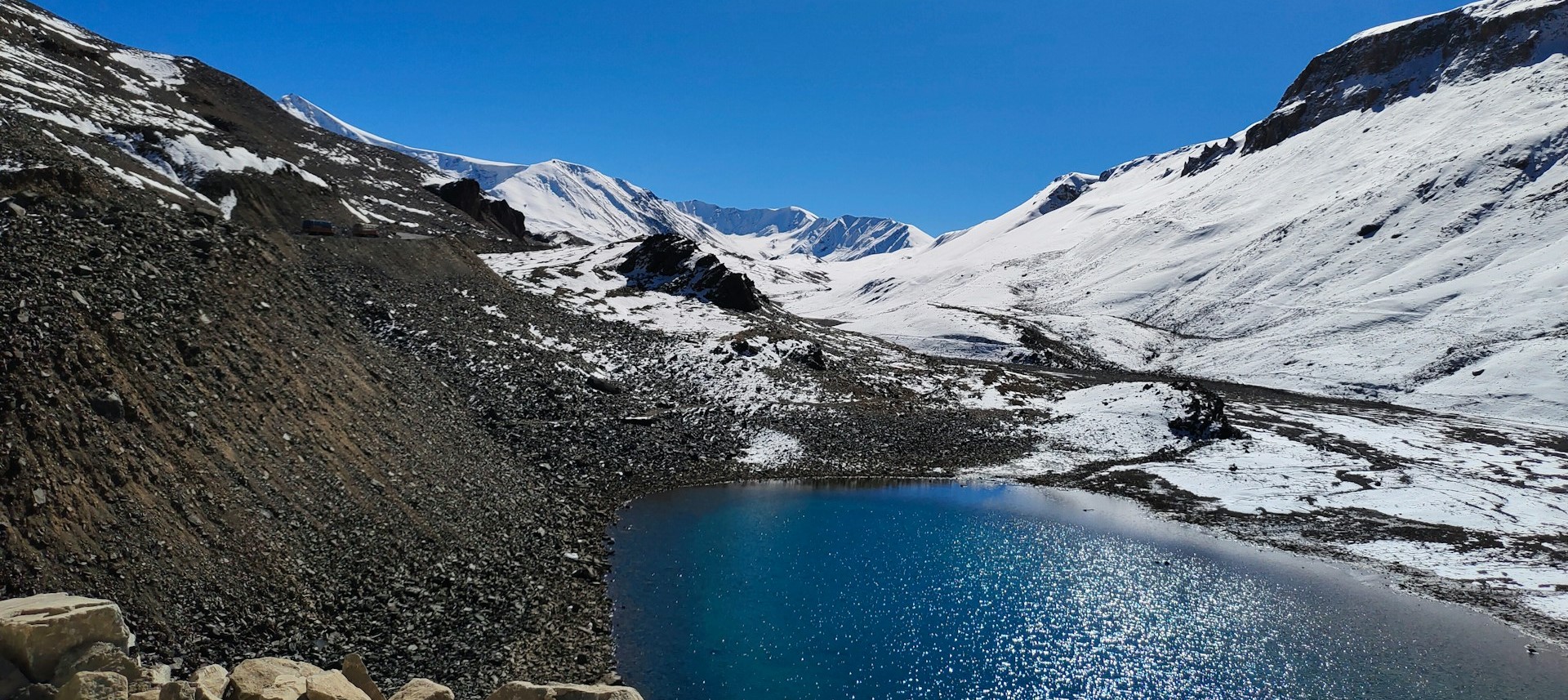
A key feature of the project is a new research hub in Ladakh’s Chalong catchment, where scientists will monitor glacier mass balance, snowpack variations, permafrost changes, proglacial lakes, and air pollution. This “super site” will generate data to improve climate models, assess hazards like glacial lake outburst floods, and develop water management strategies crucial for downstream communities and agriculture.
Beyond local benefits, CryoSCOPE seeks to provide open-source data and tools that can strengthen global climate assessments and support adaptation strategies. The findings will inform IPCC reports, contribute to the UN’s International Year of Glaciers’ Preservation, and align with the Decade of Action for Cryospheric Sciences (2025–2034), offering vital insights into both regional and international water security challenges.
Himalayan glacier data is going to become foundational for South Asian physical-climate-risk disclosure, particularly for water utilities, agriculture, hydropower and cross-border river-dependent industries. Our climate-action and sustainability-due-diligence teams help clients evaluate what glacial-change data means for physical-risk exposure and TCFD-aligned disclosure.

• 𝘛𝘩𝘦 𝘜𝘈𝘌 𝘍𝘰𝘰𝘥 𝘉𝘢𝘯𝘬 𝘢𝘯𝘥 𝘋𝘶𝘣𝘢𝘪’𝘴 𝘊𝘰𝘮𝘮𝘶𝘯𝘪𝘵𝘺 𝘋𝘦𝘷𝘦𝘭𝘰𝘱𝘮𝘦𝘯𝘵 𝘈𝘶𝘵𝘩𝘰𝘳𝘪𝘵𝘺 (𝘊𝘋𝘈) 𝘩𝘢𝘷𝘦 𝘴𝘪𝘨𝘯𝘦𝘥 𝘢𝘯 𝘢𝘨𝘳𝘦𝘦𝘮𝘦𝘯𝘵 𝘵𝘰 𝘤𝘰𝘭𝘭𝘦𝘤𝘵 𝘢𝘯𝘥 𝘳𝘦𝘥𝘪𝘴𝘵𝘳𝘪𝘣𝘶𝘵𝘦 𝘴𝘶𝘳𝘱𝘭𝘶𝘴 𝘧𝘰𝘰𝘥 𝘧𝘳𝘰𝘮 𝘸𝘦𝘥𝘥𝘪𝘯𝘨𝘴 𝘢𝘯𝘥 𝘦𝘷𝘦𝘯𝘵𝘴. • 𝘛𝘩𝘦 𝘪𝘯𝘪𝘵𝘪𝘢𝘵𝘪𝘷𝘦 𝘸𝘪𝘭𝘭 𝘧𝘰𝘭𝘭𝘰𝘸 𝘢𝘱𝘱𝘳𝘰𝘷𝘦𝘥…

<ul><li><i>India’s rooftop solar capacity reached 30.7 GW in July 2026, increasing the need for better grid management and flexibility.</i></li><li><i>Kerala and Maharashtra are exploring battery ener…

• 𝘛𝘩𝘦 𝘌𝘐𝘉 𝘎𝘳𝘰𝘶𝘱 𝘱𝘭𝘢𝘯𝘴 𝘵𝘰 𝘱𝘳𝘰𝘷𝘪𝘥𝘦 𝘢𝘵 𝘭𝘦𝘢𝘴𝘵 €30 𝘣𝘪𝘭𝘭𝘪𝘰𝘯 𝘧𝘰𝘳 𝘤𝘭𝘪𝘮𝘢𝘵𝘦 𝘢𝘥𝘢𝘱𝘵𝘢𝘵𝘪𝘰𝘯 𝘣𝘦𝘵𝘸𝘦𝘦𝘯 2026 𝘢𝘯𝘥 2030. • 𝘛𝘩𝘦 𝘯𝘦𝘸 𝘵𝘢𝘳𝘨𝘦𝘵 𝘥𝘰𝘶𝘣𝘭𝘦𝘴 𝘢𝘥𝘢𝘱𝘵𝘢𝘵𝘪𝘰𝘯 𝘧𝘪𝘯𝘢𝘯𝘤𝘪𝘯𝘨 𝘤𝘰𝘮𝘱𝘢𝘳𝘦𝘥 𝘸𝘪𝘵𝘩 𝘵𝘩𝘦 𝘱𝘳𝘦𝘷𝘪𝘰𝘶𝘴 𝘧𝘪𝘷𝘦-𝘺𝘦𝘢𝘳 𝘱𝘦𝘳𝘪𝘰𝘥. • 𝘍𝘶𝘯𝘥𝘪𝘯𝘨…