


14 May 2026
India is preparing to reduce the mandatory exclusion zones around nuclear power plants as part of a broader strategy to expand clean energy capacity and strengthen long-term energy security. The move is expected to free up large areas of land for future reactor development and help accelerate the country’s transition toward low-carbon electricity generation.
The proposed policy change supports India’s ambitious target of significantly increasing nuclear power capacity by 2047. Nuclear energy is being positioned as an important pillar of the country’s clean energy roadmap because it can provide stable, round-the-clock electricity with very low carbon emissions compared to fossil fuels.
By easing land restrictions around reactor sites, the government aims to simplify project development, attract investment, and speed up approvals for new nuclear facilities.
The initiative is also expected to support the deployment of advanced and small modular nuclear reactors, which are gaining global attention for their efficiency, scalability, and ability to supply cleaner energy to industries and urban centers. Expanding nuclear infrastructure could help India reduce coal dependence while meeting rising electricity demand from manufacturing, digital infrastructure, and urban growth.
Officials believe the revised approach can improve land utilization and unlock opportunities for large-scale clean energy infrastructure without compromising modern safety standards. The plan reflects India’s growing focus on diversifying its sustainable energy mix alongside solar, wind, and green hydrogen initiatives.
As the country continues pursuing net-zero and climate commitments, the nuclear sector is emerging as a strategic component of India’s broader sustainability and energy transition agenda.
Nuclear land-rule reform sits alongside the FDI opening as the practical enabler of scaled Indian nuclear deployment, and it changes long-horizon clean-power investment calculations for anyone modelling firm-power availability. Our energy-transition and market-intelligence teams help clients evaluate what nuclear expansion means for firm-power availability, Scope 2 optionality and disclosure narrative.

• 𝘛𝘩𝘦 𝘜𝘈𝘌 𝘍𝘰𝘰𝘥 𝘉𝘢𝘯𝘬 𝘢𝘯𝘥 𝘋𝘶𝘣𝘢𝘪’𝘴 𝘊𝘰𝘮𝘮𝘶𝘯𝘪𝘵𝘺 𝘋𝘦𝘷𝘦𝘭𝘰𝘱𝘮𝘦𝘯𝘵 𝘈𝘶𝘵𝘩𝘰𝘳𝘪𝘵𝘺 (𝘊𝘋𝘈) 𝘩𝘢𝘷𝘦 𝘴𝘪𝘨𝘯𝘦𝘥 𝘢𝘯 𝘢𝘨𝘳𝘦𝘦𝘮𝘦𝘯𝘵 𝘵𝘰 𝘤𝘰𝘭𝘭𝘦𝘤𝘵 𝘢𝘯𝘥 𝘳𝘦𝘥𝘪𝘴𝘵𝘳𝘪𝘣𝘶𝘵𝘦 𝘴𝘶𝘳𝘱𝘭𝘶𝘴 𝘧𝘰𝘰𝘥 𝘧𝘳𝘰𝘮 𝘸𝘦𝘥𝘥𝘪𝘯𝘨𝘴 𝘢𝘯𝘥 𝘦𝘷𝘦𝘯𝘵𝘴. • 𝘛𝘩𝘦 𝘪𝘯𝘪𝘵𝘪𝘢𝘵𝘪𝘷𝘦 𝘸𝘪𝘭𝘭 𝘧𝘰𝘭𝘭𝘰𝘸 𝘢𝘱𝘱𝘳𝘰𝘷𝘦𝘥…
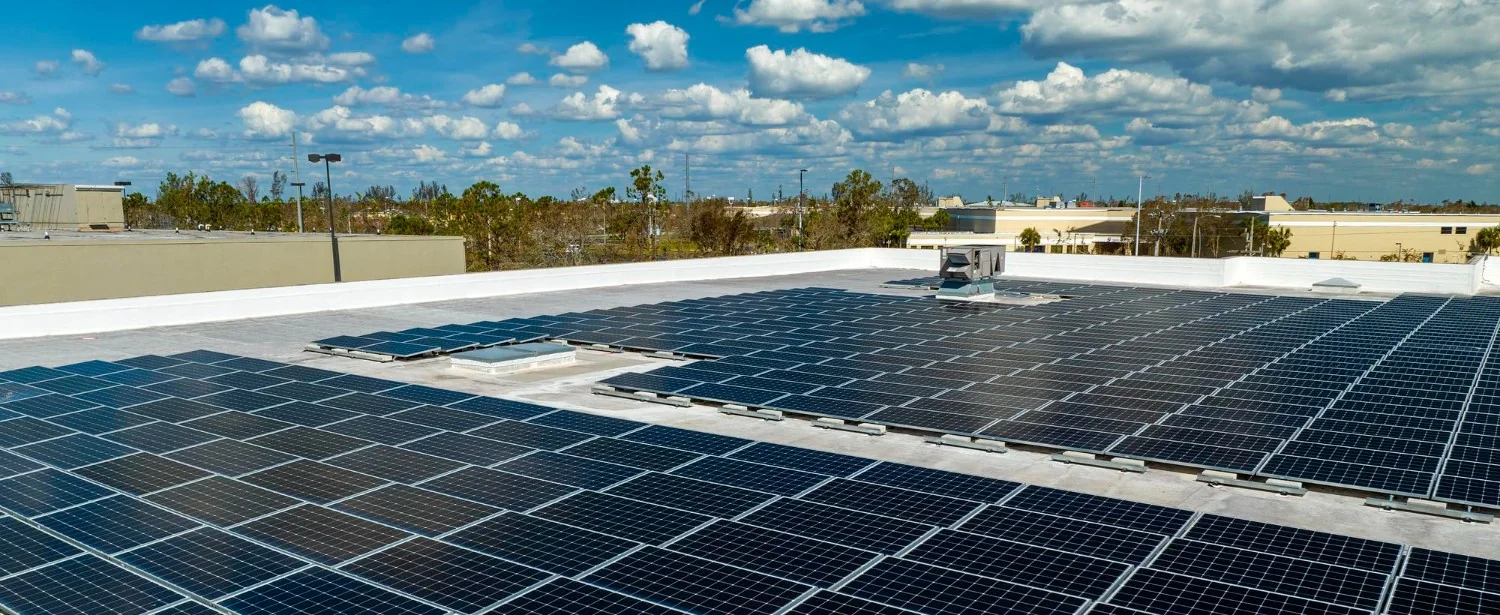
<ul><li><i>India’s rooftop solar capacity reached 30.7 GW in July 2026, increasing the need for better grid management and flexibility.</i></li><li><i>Kerala and Maharashtra are exploring battery ener…

• 𝘛𝘩𝘦 𝘌𝘐𝘉 𝘎𝘳𝘰𝘶𝘱 𝘱𝘭𝘢𝘯𝘴 𝘵𝘰 𝘱𝘳𝘰𝘷𝘪𝘥𝘦 𝘢𝘵 𝘭𝘦𝘢𝘴𝘵 €30 𝘣𝘪𝘭𝘭𝘪𝘰𝘯 𝘧𝘰𝘳 𝘤𝘭𝘪𝘮𝘢𝘵𝘦 𝘢𝘥𝘢𝘱𝘵𝘢𝘵𝘪𝘰𝘯 𝘣𝘦𝘵𝘸𝘦𝘦𝘯 2026 𝘢𝘯𝘥 2030. • 𝘛𝘩𝘦 𝘯𝘦𝘸 𝘵𝘢𝘳𝘨𝘦𝘵 𝘥𝘰𝘶𝘣𝘭𝘦𝘴 𝘢𝘥𝘢𝘱𝘵𝘢𝘵𝘪𝘰𝘯 𝘧𝘪𝘯𝘢𝘯𝘤𝘪𝘯𝘨 𝘤𝘰𝘮𝘱𝘢𝘳𝘦𝘥 𝘸𝘪𝘵𝘩 𝘵𝘩𝘦 𝘱𝘳𝘦𝘷𝘪𝘰𝘶𝘴 𝘧𝘪𝘷𝘦-𝘺𝘦𝘢𝘳 𝘱𝘦𝘳𝘪𝘰𝘥. • 𝘍𝘶𝘯𝘥𝘪𝘯𝘨…