

08 January 2026
French authorities initiated a push within the European Union to seek a temporary exemption for fertilisers from the bloc’s newly implemented carbon border levy. The levy, which came into force on 1 January 2026, applies a carbon pricing fee on imports of certain goods - including fertilisers and steel - in an effort to ensure that products entering the EU market face similar climate-related costs as domestically produced goods.
France’s effort stems from concerns about the economic impact on European farmers, who are already facing pressure from weak cereal crop prices, rising production costs and elevated tariffs on imported fertilisers.
In a draft statement circulated to other EU governments, Paris called on the European Commission to postpone or suspend the application of the carbon border levy specifically for fertilisers during the 2026 crop year.
Officials argue that such a temporary measure would provide farmers with critical breathing room to stabilise supply chains and mitigate cost escalation.
While France supports the overarching goals of the carbon border levy, authorities warn that applying it to fertilisers without sufficient transitional arrangements could place disproportionate strain on the agricultural sector.
They contend that higher input costs resulting from the levy could hinder farmers’ ability to compete effectively, particularly given existing challenges in the global agricultural market. The proposed exemption is thus positioned as a pragmatic step to balance climate policy with economic resilience.
The issue is expected to be raised at upcoming meetings of EU agriculture ministers in Brussels, where governments will debate the proposal.
Member States will need to weigh the potential benefits of temporary exemptions against the broader objectives of the carbon border mechanism, which is intended to prevent carbon leakage and level the playing field for European producers.
The outcome will signal how negotiators balance environmental targets with sector-specific economic considerations in the early stages of implementing the levy.
Fertiliser CBAM exemption debates illustrate how sector-specific carve-outs get negotiated, and they affect embedded-emissions competitive dynamics for agri-food supply chains that thought CBAM planning was settled. Our supply-chain-and-operations and climate-action teams help clients evaluate what CBAM sector treatment means for sourcing and Scope 3 disclosure.

• 𝘛𝘩𝘦 𝘜𝘈𝘌 𝘍𝘰𝘰𝘥 𝘉𝘢𝘯𝘬 𝘢𝘯𝘥 𝘋𝘶𝘣𝘢𝘪’𝘴 𝘊𝘰𝘮𝘮𝘶𝘯𝘪𝘵𝘺 𝘋𝘦𝘷𝘦𝘭𝘰𝘱𝘮𝘦𝘯𝘵 𝘈𝘶𝘵𝘩𝘰𝘳𝘪𝘵𝘺 (𝘊𝘋𝘈) 𝘩𝘢𝘷𝘦 𝘴𝘪𝘨𝘯𝘦𝘥 𝘢𝘯 𝘢𝘨𝘳𝘦𝘦𝘮𝘦𝘯𝘵 𝘵𝘰 𝘤𝘰𝘭𝘭𝘦𝘤𝘵 𝘢𝘯𝘥 𝘳𝘦𝘥𝘪𝘴𝘵𝘳𝘪𝘣𝘶𝘵𝘦 𝘴𝘶𝘳𝘱𝘭𝘶𝘴 𝘧𝘰𝘰𝘥 𝘧𝘳𝘰𝘮 𝘸𝘦𝘥𝘥𝘪𝘯𝘨𝘴 𝘢𝘯𝘥 𝘦𝘷𝘦𝘯𝘵𝘴. • 𝘛𝘩𝘦 𝘪𝘯𝘪𝘵𝘪𝘢𝘵𝘪𝘷𝘦 𝘸𝘪𝘭𝘭 𝘧𝘰𝘭𝘭𝘰𝘸 𝘢𝘱𝘱𝘳𝘰𝘷𝘦𝘥…
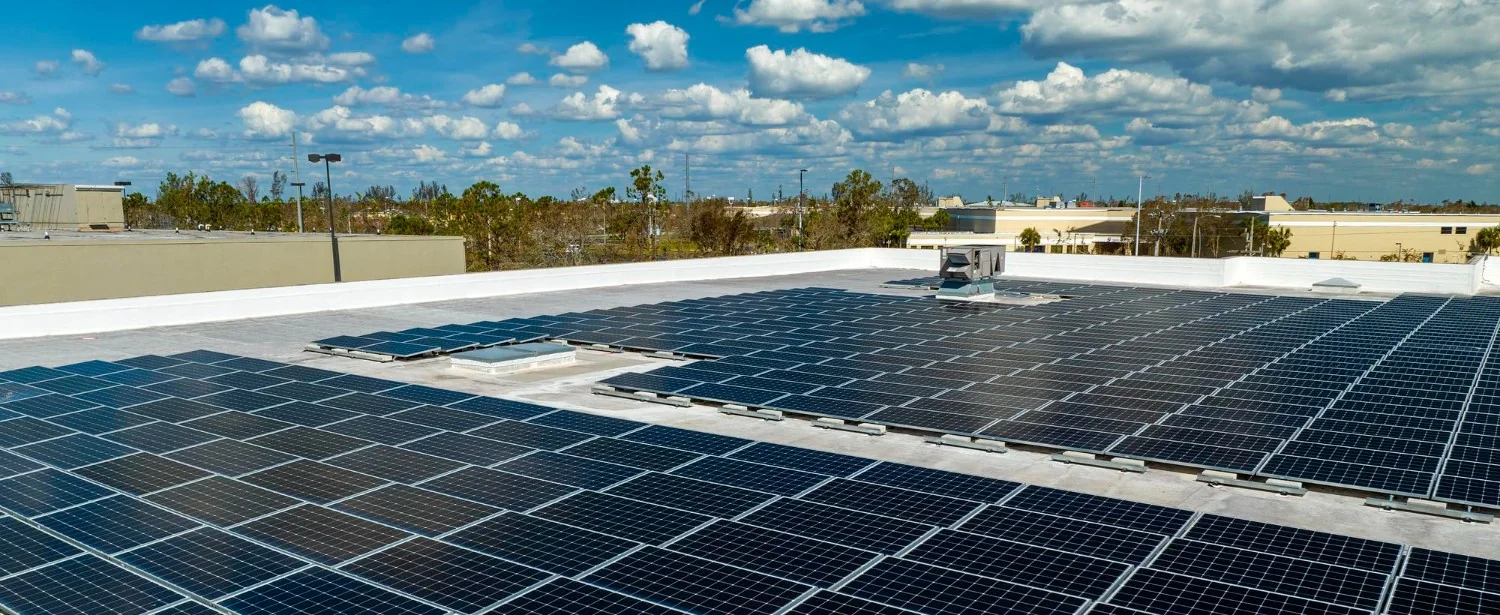
<ul><li><i>India’s rooftop solar capacity reached 30.7 GW in July 2026, increasing the need for better grid management and flexibility.</i></li><li><i>Kerala and Maharashtra are exploring battery ener…
• 𝘛𝘩𝘦 𝘌𝘐𝘉 𝘎𝘳𝘰𝘶𝘱 𝘱𝘭𝘢𝘯𝘴 𝘵𝘰 𝘱𝘳𝘰𝘷𝘪𝘥𝘦 𝘢𝘵 𝘭𝘦𝘢𝘴𝘵 €30 𝘣𝘪𝘭𝘭𝘪𝘰𝘯 𝘧𝘰𝘳 𝘤𝘭𝘪𝘮𝘢𝘵𝘦 𝘢𝘥𝘢𝘱𝘵𝘢𝘵𝘪𝘰𝘯 𝘣𝘦𝘵𝘸𝘦𝘦𝘯 2026 𝘢𝘯𝘥 2030. • 𝘛𝘩𝘦 𝘯𝘦𝘸 𝘵𝘢𝘳𝘨𝘦𝘵 𝘥𝘰𝘶𝘣𝘭𝘦𝘴 𝘢𝘥𝘢𝘱𝘵𝘢𝘵𝘪𝘰𝘯 𝘧𝘪𝘯𝘢𝘯𝘤𝘪𝘯𝘨 𝘤𝘰𝘮𝘱𝘢𝘳𝘦𝘥 𝘸𝘪𝘵𝘩 𝘵𝘩𝘦 𝘱𝘳𝘦𝘷𝘪𝘰𝘶𝘴 𝘧𝘪𝘷𝘦-𝘺𝘦𝘢𝘳 𝘱𝘦𝘳𝘪𝘰𝘥. • 𝘍𝘶𝘯𝘥𝘪𝘯𝘨…