


08 January 2026
A group of tax and sustainability experts in Malaysia urged policymakers to introduce a national carbon tax at a level that can effectively reduce greenhouse gas emissions while avoiding undue burdens on businesses. The call came during the 18th Annual Malaysia Corporate Day event in Kuala Lumpur, where speakers highlighted the need to benchmark the upcoming carbon pricing mechanism against successful regional examples.
Senior advisory figures pointed out that Singapore’s phased approach to carbon taxation - starting at a modest rate when first launched - provides a useful template for Malaysia.
They suggested that an initial carbon tax rate similar to Singapore’s early rate of around S$5 per tonne of carbon dioxide equivalent could help ease businesses into the new regime without triggering relocation or competitiveness concerns.
Singapore has since progressively increased its own carbon tax, illustrating the potential for gradual escalation tied to economic readiness.
Experts cautioned that setting the carbon tax too high at the outset could discourage investment and prompt companies to move operations abroad, while a rate set too low would fail to deliver meaningful emissions reductions. They emphasised that a balanced tax should still encourage firms to adopt cleaner technologies, improve energy efficiency and integrate sustainability considerations into long‑term planning.
The Malaysian government has previously signalled its intention to introduce a carbon tax as part of broader climate policy, with details expected to be formalised in the Climate Change Bill to be tabled in Parliament later in 2026.
This legislation is anticipated to include provisions for emissions monitoring, reporting and verification, and could initially cover high‑emitting sectors such as iron, steel and energy.
A well‑designed carbon tax, according to experts, would provide Malaysia with a credible tool to advance its low‑carbon transition while maintaining economic stability.
Balanced carbon-tax rate design is where Malaysia's climate ambition meets industrial-competitiveness constraints, and it shapes what corporates should plan for over the next decade even before final legislation lands. Our climate-action and market-intelligence teams help clients build carbon-price scenario planning that stays robust across rate paths.

The fifth day of the 31st UN Climate Change Conference (COP31), held on 13 November 2026 in Antalya, Türkiye, marked a shift from high-level political discussions to negotiations on the decisions need…
The World Leaders' Summit at COP31 wrapped up on 12 November 2026 in Antalya, Türkiye, with a strong focus on financing and accelerating reductions in methane and other non-CO₂ greenhouse gases. More…
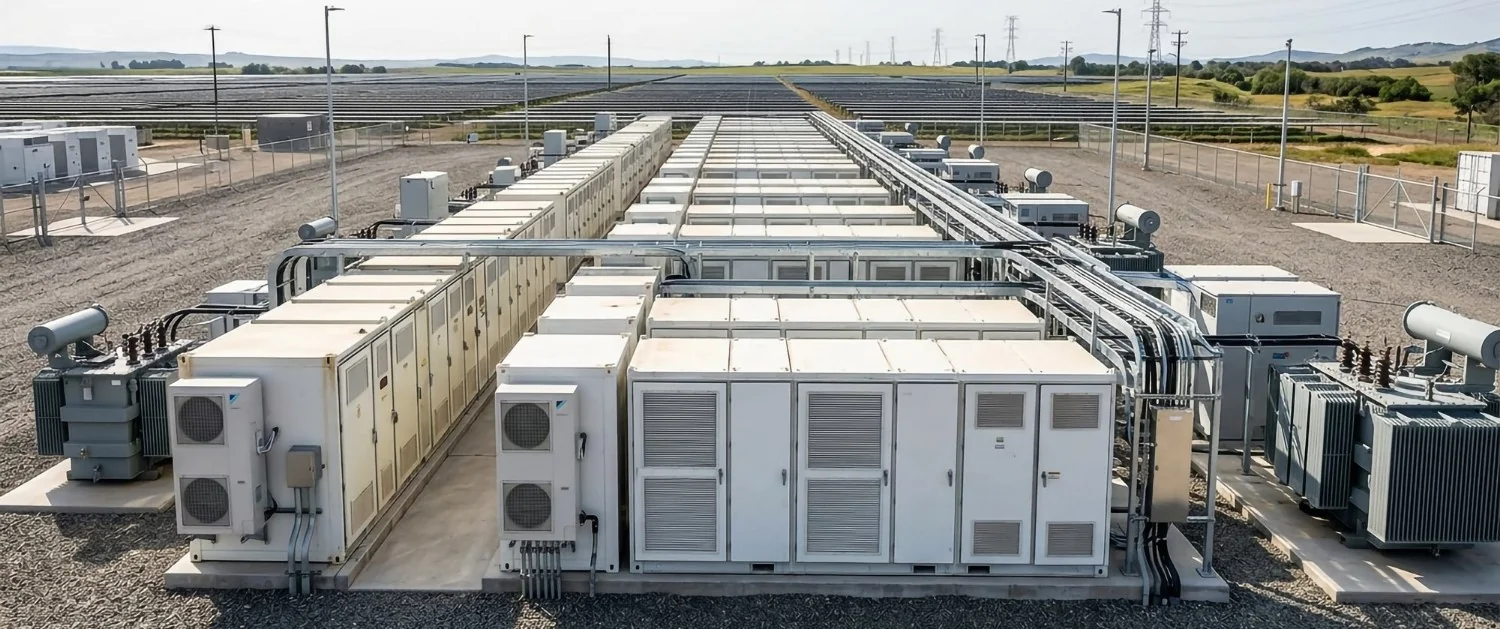
<ul><li><i>The New York State Energy Research and Development Authority (NYSERDA) launched its second competitive bulk energy storage solicitation on November 12, 2026.</i></li><li><i>The procurement…