


13 August 2026
The European Union's new End-of-Life Vehicles (ELV) Regulation enters into force on 13 August 2026, establishing a new framework to make the automotive sector more circular and resource-efficient. The regulation covers the vehicle lifecycle from design and production through collection, dismantling, reuse, recycling and final treatment, with the aim of keeping valuable materials in Europe's economy for longer.
A key requirement is the introduction of mandatory recycled plastic content in new vehicles, with manufacturers required to reach 15% recycled plastic content from 2032 and 25% from 2036. The European Commission will also establish recycled-content targets for steel and aluminium, which are expected to apply from 2033. These measures are intended to create greater demand for secondary raw materials and encourage investment in recycling infrastructure.
The regulation also strengthens the recovery of valuable and critical materials from end-of-life vehicles. Requirements will promote higher-quality recovery of steel, aluminium, copper and rare earth elements, allowing these materials to re-enter the European circular economy and reducing dependence on imported virgin resources. Improved dismantling information and digital traceability will further help recyclers recover components and materials more efficiently.
Another major change is stronger Extended Producer Responsibility (EPR). Vehicle producers will be required to contribute to the costs of collecting and treating end-of-life vehicles and cooperate with waste-management operators. The framework also introduces stronger traceability and enforcement measures, including electronic certificates of destruction and information exchange between national authorities.
The regulation also addresses the export of used vehicles. From mid-2031, only roadworthy vehicles will be permitted to be exported outside the EU, helping prevent end-of-life vehicles from being exported as second-hand vehicles and shifting environmental impacts to countries with potentially weaker waste-management systems.
Although the regulation enters into force in August 2026, its main requirements will apply from 1 September 2028, giving manufacturers, recyclers and Member States time to prepare for the new framework. The measures mark a significant step towards a more circular automotive value chain while supporting Europe's resource security, critical-material recovery and broader industrial resilience.
Automotive circularity rules reshape battery, materials and design decisions across EV supply chains, and they intersect with EU Battery Regulation, EUDR and CSDDD. Our circular-economy and supply-chain-and-operations teams help automakers and their supply-chain partners evaluate what these frameworks mean for supply-chain positioning.
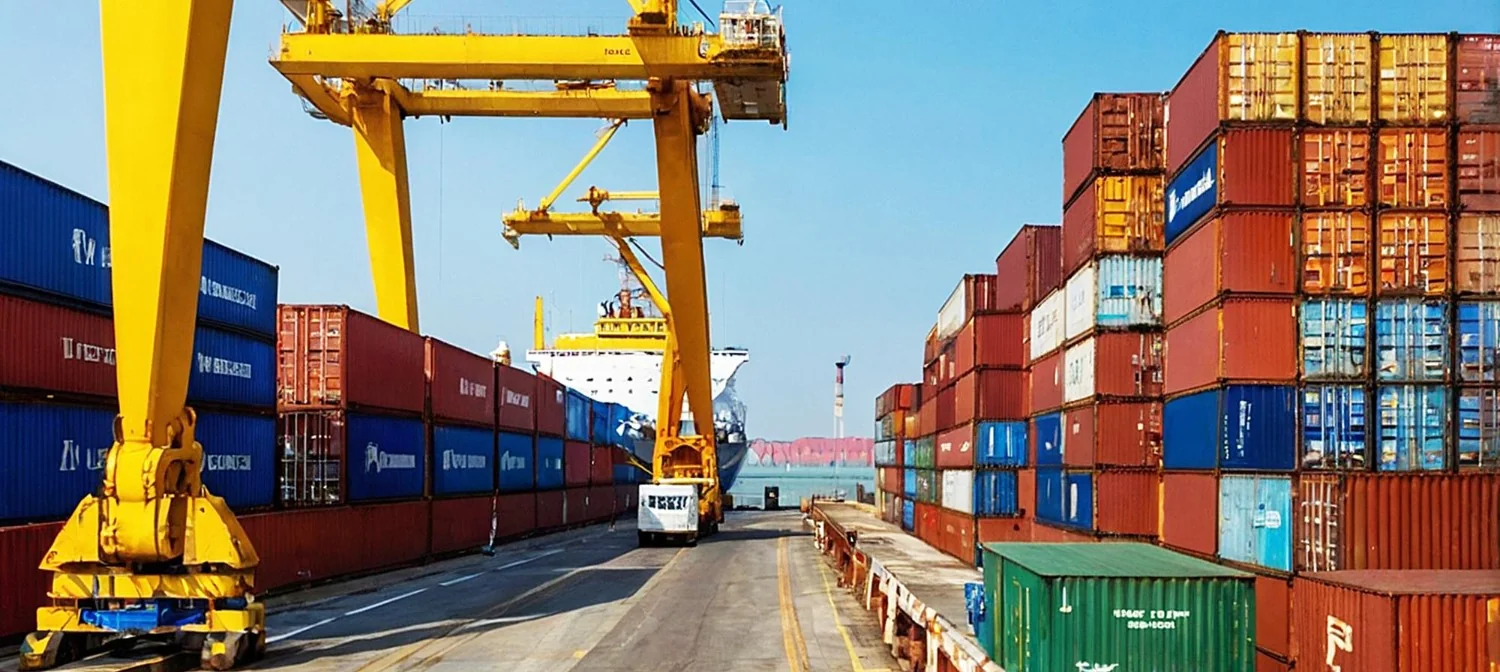
<ul><li><i>India is developing its first port-based e-methanol plant.</i></li><li><i>The ₹2,300-crore project is being developed through a partnership involving Deendayal Port Authority and Assam Petr…
.jpg)
• 𝘔𝘢𝘭𝘢𝘺𝘴𝘪𝘢 𝘢𝘯𝘥 𝘊𝘩𝘪𝘯𝘢 𝘢𝘳𝘦 𝘴𝘵𝘳𝘦𝘯𝘨𝘵𝘩𝘦𝘯𝘪𝘯𝘨 𝘣𝘪𝘭𝘢𝘵𝘦𝘳𝘢𝘭 𝘤𝘰𝘰𝘱𝘦𝘳𝘢𝘵𝘪𝘰𝘯 𝘰𝘯 𝘯𝘢𝘵𝘶𝘳𝘢𝘭 𝘳𝘦𝘴𝘰𝘶𝘳𝘤𝘦 𝘮𝘢𝘯𝘢𝘨𝘦𝘮𝘦𝘯𝘵 𝘢𝘯𝘥 𝘦𝘯𝘷𝘪𝘳𝘰𝘯𝘮𝘦𝘯𝘵𝘢𝘭 𝘴𝘶𝘴𝘵𝘢𝘪𝘯𝘢𝘣𝘪𝘭𝘪𝘵𝘺. • 𝘛𝘩𝘦 𝘱𝘢𝘳𝘵𝘯𝘦𝘳𝘴 𝘢𝘳𝘦 𝘦𝘹𝘱𝘭𝘰𝘳𝘪𝘯𝘨 𝘢 𝘱𝘳𝘰𝘱𝘰𝘴𝘦𝘥 𝘔𝘢𝘳𝘪𝘯𝘦 𝘌𝘯𝘷𝘪𝘳𝘰𝘯𝘮𝘦𝘯𝘵𝘢𝘭 𝘊𝘰𝘰𝘱𝘦𝘳𝘢𝘵𝘪𝘰𝘯 𝘈…

• 𝘔𝘦𝘹𝘪𝘤𝘰 𝘤𝘰𝘶𝘭𝘥 𝘳𝘦𝘥𝘶𝘤𝘦 𝘨𝘳𝘰𝘴𝘴 𝘰𝘪𝘭 𝘢𝘯𝘥 𝘨𝘢𝘴 𝘪𝘮𝘱𝘰𝘳𝘵𝘴 𝘣𝘺 34% 𝘣𝘺 2050 𝘵𝘩𝘳𝘰𝘶𝘨𝘩 𝘦𝘭𝘦𝘤𝘵𝘳𝘪𝘧𝘪𝘤𝘢𝘵𝘪𝘰𝘯 𝘢𝘯𝘥 𝘮𝘰𝘣𝘪𝘭𝘪𝘵𝘺 𝘴𝘩𝘪𝘧𝘵𝘴. • 𝘊𝘰𝘮𝘣𝘪𝘯𝘦𝘥 𝘦𝘭𝘦𝘤𝘵𝘳𝘪𝘧𝘪𝘤𝘢𝘵𝘪𝘰𝘯 𝘢𝘯𝘥 𝘱𝘶𝘣𝘭𝘪𝘤 𝘵𝘳𝘢𝘯𝘴𝘪𝘵 𝘤𝘰𝘶𝘭𝘥 𝘤𝘶𝘵 𝘶𝘳𝘣𝘢𝘯 𝘱𝘢𝘴𝘴𝘦𝘯𝘨𝘦𝘳 𝘵𝘳𝘢𝘯𝘴𝘱𝘰𝘳𝘵 𝘦𝘯𝘦𝘳𝘨𝘺 𝘤𝘰𝘯…