12 August 2026
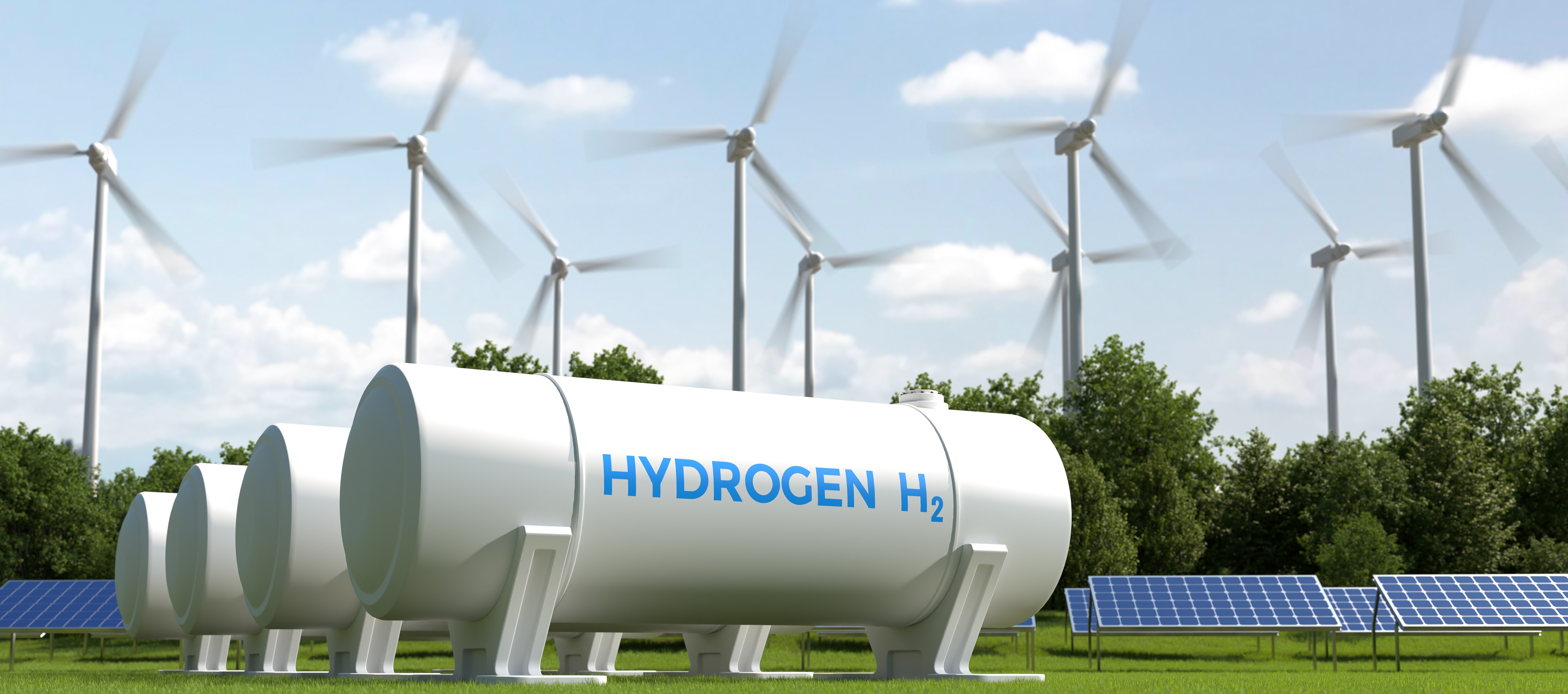
The European Commission has approved a €780 million Dutch state-aid scheme to accelerate renewable hydrogen production and support industrial decarbonisation. The programme will help finance up to 400 megawatts of new electrolysis capacity, strengthening the Netherlands' domestic renewable hydrogen production and supporting the European Union's wider clean-industry transition.
Under the scheme, the Dutch government expects to support the production of up to 40,000 tonnes of renewable hydrogen annually and avoid approximately 324,000 tonnes of carbon dioxide emissions each year. The programme is intended to help reduce emissions in hard-to-abate industrial sectors where direct electrification can be challenging.
Funding will be awarded through a competitive auction process, with the bidding round expected to conclude by the first quarter of 2027. Selected projects will receive direct grants in two stages: an upfront investment grant covering up to 80% of eligible capital expenditure, followed by a variable production-linked premium paid over a period of five to 10 years.
The European Commission assessed the scheme under EU state-aid rules and concluded that the support is necessary to accelerate renewable hydrogen deployment while limiting potential distortions to competition and trade. The approval also reflects the EU's broader use of public funding to close the cost gap between emerging clean technologies and fossil-fuel-based alternatives.
The Dutch programme builds on earlier hydrogen-support schemes approved by the European Commission in 2023 and 2024, highlighting the Netherlands' longer-term strategy to establish a domestic renewable hydrogen market. By expanding electrolysis capacity and reducing the cost barriers facing hydrogen developers, the latest scheme could strengthen the role of renewable hydrogen in Europe's industrial decarbonisation and energy-transition efforts.
€780 million of Dutch hydrogen support underwrites production capacity that could genuinely serve European industrial demand this decade, and it changes offtake economics for hard-to-abate sectors. Our energy-transition and supply-chain-and-operations teams help clients evaluate hydrogen-linked positioning and offtake structuring.
.jpg)
• 𝘔𝘢𝘭𝘢𝘺𝘴𝘪𝘢 𝘢𝘯𝘥 𝘊𝘩𝘪𝘯𝘢 𝘢𝘳𝘦 𝘴𝘵𝘳𝘦𝘯𝘨𝘵𝘩𝘦𝘯𝘪𝘯𝘨 𝘣𝘪𝘭𝘢𝘵𝘦𝘳𝘢𝘭 𝘤𝘰𝘰𝘱𝘦𝘳𝘢𝘵𝘪𝘰𝘯 𝘰𝘯 𝘯𝘢𝘵𝘶𝘳𝘢𝘭 𝘳𝘦𝘴𝘰𝘶𝘳𝘤𝘦 𝘮𝘢𝘯𝘢𝘨𝘦𝘮𝘦𝘯𝘵 𝘢𝘯𝘥 𝘦𝘯𝘷𝘪𝘳𝘰𝘯𝘮𝘦𝘯𝘵𝘢𝘭 𝘴𝘶𝘴𝘵𝘢𝘪𝘯𝘢𝘣𝘪𝘭𝘪𝘵𝘺. • 𝘛𝘩𝘦 𝘱𝘢𝘳𝘵𝘯𝘦𝘳𝘴 𝘢𝘳𝘦 𝘦𝘹𝘱𝘭𝘰𝘳𝘪𝘯𝘨 𝘢 𝘱𝘳𝘰𝘱𝘰𝘴𝘦𝘥 𝘔𝘢𝘳𝘪𝘯𝘦 𝘌𝘯𝘷𝘪𝘳𝘰𝘯𝘮𝘦𝘯𝘵𝘢𝘭 𝘊𝘰𝘰𝘱𝘦𝘳𝘢𝘵𝘪𝘰𝘯 𝘈…
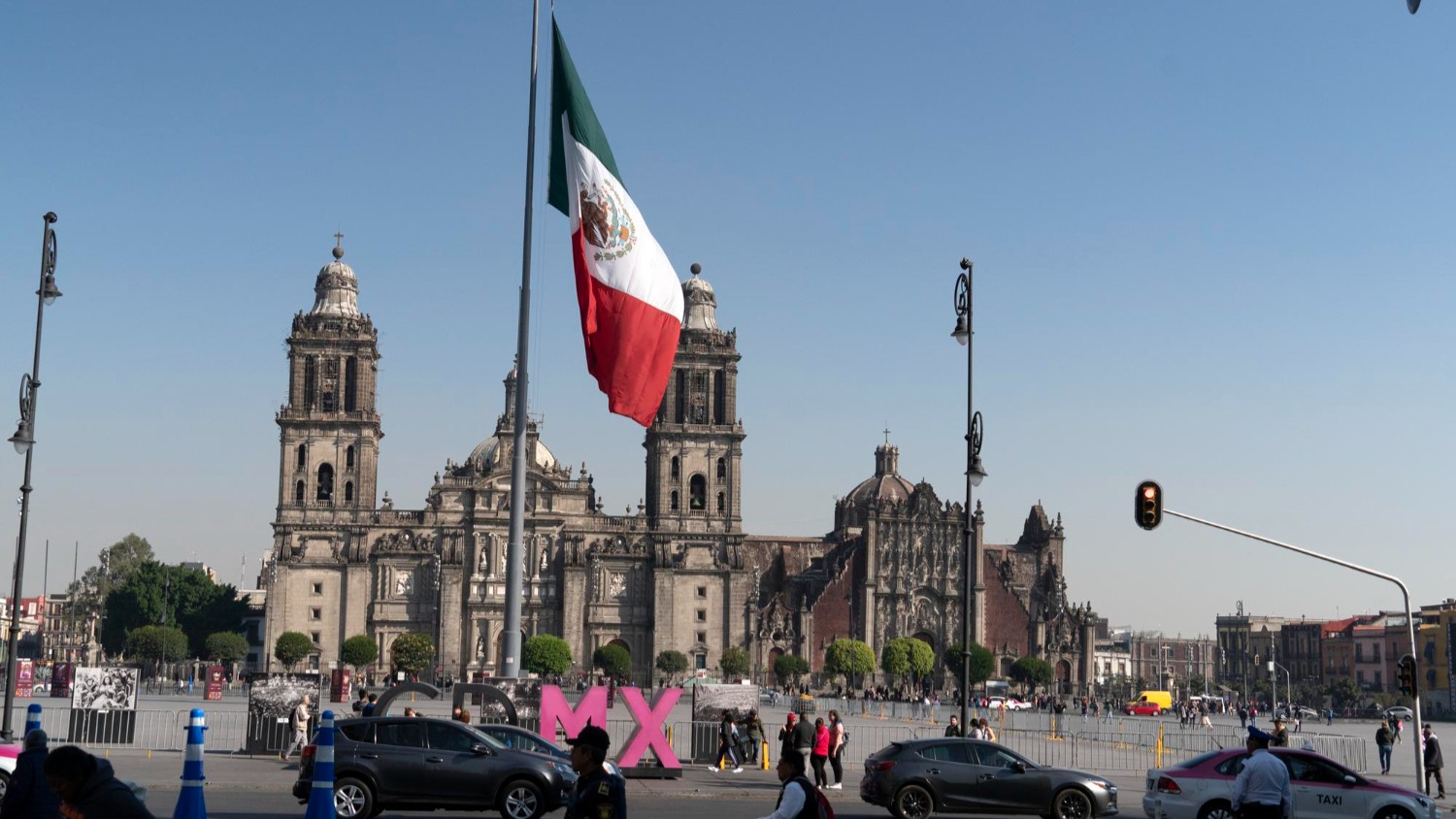
• 𝘔𝘦𝘹𝘪𝘤𝘰 𝘤𝘰𝘶𝘭𝘥 𝘳𝘦𝘥𝘶𝘤𝘦 𝘨𝘳𝘰𝘴𝘴 𝘰𝘪𝘭 𝘢𝘯𝘥 𝘨𝘢𝘴 𝘪𝘮𝘱𝘰𝘳𝘵𝘴 𝘣𝘺 34% 𝘣𝘺 2050 𝘵𝘩𝘳𝘰𝘶𝘨𝘩 𝘦𝘭𝘦𝘤𝘵𝘳𝘪𝘧𝘪𝘤𝘢𝘵𝘪𝘰𝘯 𝘢𝘯𝘥 𝘮𝘰𝘣𝘪𝘭𝘪𝘵𝘺 𝘴𝘩𝘪𝘧𝘵𝘴. • 𝘊𝘰𝘮𝘣𝘪𝘯𝘦𝘥 𝘦𝘭𝘦𝘤𝘵𝘳𝘪𝘧𝘪𝘤𝘢𝘵𝘪𝘰𝘯 𝘢𝘯𝘥 𝘱𝘶𝘣𝘭𝘪𝘤 𝘵𝘳𝘢𝘯𝘴𝘪𝘵 𝘤𝘰𝘶𝘭𝘥 𝘤𝘶𝘵 𝘶𝘳𝘣𝘢𝘯 𝘱𝘢𝘴𝘴𝘦𝘯𝘨𝘦𝘳 𝘵𝘳𝘢𝘯𝘴𝘱𝘰𝘳𝘵 𝘦𝘯𝘦𝘳𝘨𝘺 𝘤𝘰𝘯…
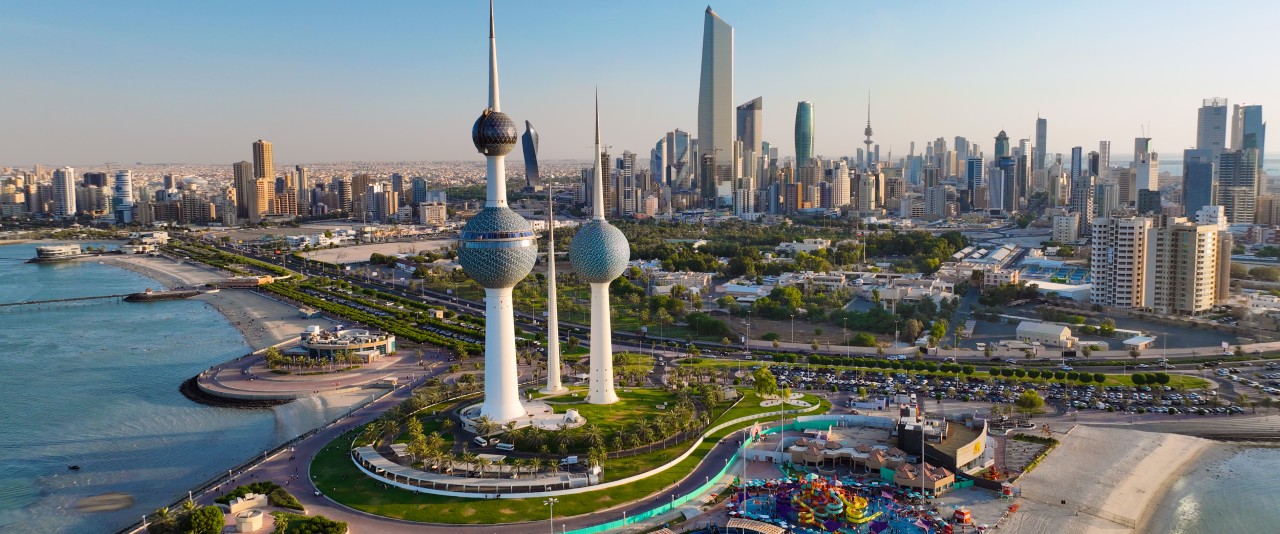
• 𝘒𝘶𝘸𝘢𝘪𝘵 𝘩𝘢𝘴 𝘢𝘥𝘰𝘱𝘵𝘦𝘥 𝘢 𝘯𝘢𝘵𝘪𝘰𝘯𝘢𝘭 𝘦𝘯𝘷𝘪𝘳𝘰𝘯𝘮𝘦𝘯𝘵𝘢𝘭 𝘳𝘦𝘱𝘰𝘳𝘵𝘪𝘯𝘨 𝘴𝘺𝘴𝘵𝘦𝘮 𝘧𝘰𝘳 𝘨𝘰𝘷𝘦𝘳𝘯𝘮𝘦𝘯𝘵 𝘣𝘰𝘥𝘪𝘦𝘴, 𝘶𝘴𝘪𝘯𝘨 14 𝘪𝘯𝘥𝘪𝘤𝘢𝘵𝘰𝘳𝘴 𝘵𝘰 𝘮𝘦𝘢𝘴𝘶𝘳𝘦 𝘦𝘯𝘷𝘪𝘳𝘰𝘯𝘮𝘦𝘯𝘵𝘢𝘭 𝘱𝘦𝘳𝘧𝘰𝘳𝘮𝘢𝘯𝘤𝘦. • 𝘛𝘩𝘦 𝘪𝘯𝘥𝘪𝘤𝘢𝘵𝘰𝘳𝘴 𝘤𝘰𝘷𝘦𝘳 𝘦𝘯𝘦𝘳𝘨𝘺, 𝘸𝘢𝘵𝘦𝘳, 𝘧𝘶𝘦𝘭 𝘢𝘯𝘥 𝘱𝘢𝘱𝘦𝘳 𝘤𝘰𝘯…