

06 February 2026
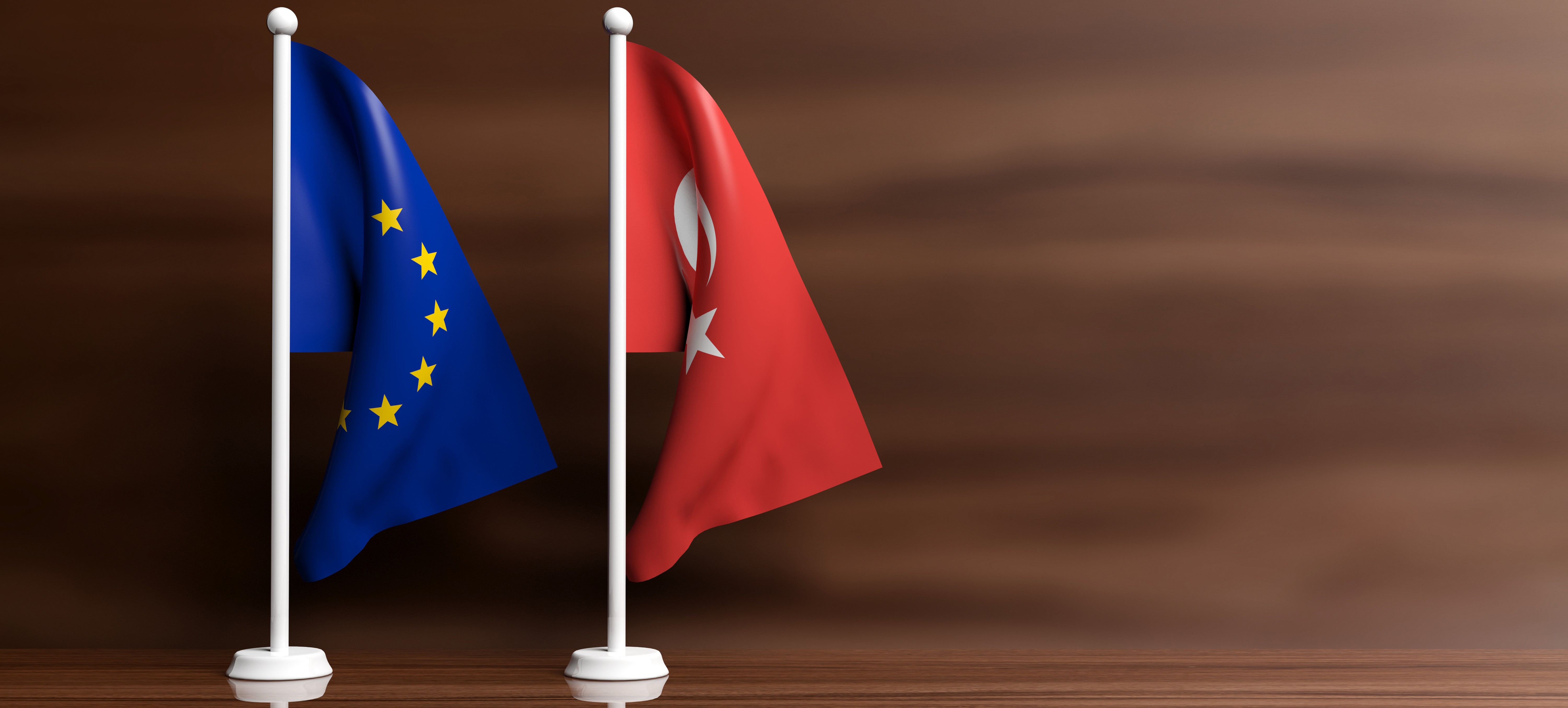
On February 6, 2026, European Commissioner for Enlargement Marta Kos and Turkish Foreign Minister Hakan Fidan met in Ankara to reaffirm commitment to work toward modernizing the EU-Turkey Customs Union, a nearly three-decade-old trade framework that underpins economic ties between the European Union and Turkey. The officials highlighted mutual interest in boosting competitiveness, economic resilience, and stronger cooperation across the region.
The existing Customs Union, in force since 1995, currently allows most industrial goods to circulate tariff-free between Turkey and the EU but does not cover services, public procurement, or agricultural trade - gaps that Ankara says put its exporters at a disadvantage and limit integration into broader European supply chains. Turkish business leaders and experts have been calling for an overhaul of the agreement to include these sectors alongside digital and sustainable trade elements.
The modernization talks also come amid increasing pressure to align trade policies with sustainability and climate goals. Experts note that future customs union negotiations could provide an opportunity for Turkey to adopt cleaner production standards and regulatory frameworks that are more compatible with the EU’s climate and carbon pricing regimes, including the Carbon Border Adjustment Mechanism (CBAM) and broader EU sustainability rules.
Although the two sides committed to continued engagement and welcomed the gradual resumption of European Investment Bank (EIB) activities in Turkey, concrete negotiation directives and timelines have yet to be formalized. Analysts say that deeper institutional cooperation - especially on environmental standards, carbon pricing, and circular economy policies - could play a crucial role in shaping the updated trade framework over the coming year.
EU-Turkey customs modernisation would materially reshape trade flows for CBAM-exposed sectors like steel, cement, aluminium and fertiliser, and the alignment work happens well before any formal treaty lands. Our supply-chain-and-operations and market-intelligence teams help clients evaluate what customs and trade updates mean for embedded-emissions disclosure and sourcing strategy.

• 𝘛𝘩𝘦 𝘜𝘈𝘌 𝘍𝘰𝘰𝘥 𝘉𝘢𝘯𝘬 𝘢𝘯𝘥 𝘋𝘶𝘣𝘢𝘪’𝘴 𝘊𝘰𝘮𝘮𝘶𝘯𝘪𝘵𝘺 𝘋𝘦𝘷𝘦𝘭𝘰𝘱𝘮𝘦𝘯𝘵 𝘈𝘶𝘵𝘩𝘰𝘳𝘪𝘵𝘺 (𝘊𝘋𝘈) 𝘩𝘢𝘷𝘦 𝘴𝘪𝘨𝘯𝘦𝘥 𝘢𝘯 𝘢𝘨𝘳𝘦𝘦𝘮𝘦𝘯𝘵 𝘵𝘰 𝘤𝘰𝘭𝘭𝘦𝘤𝘵 𝘢𝘯𝘥 𝘳𝘦𝘥𝘪𝘴𝘵𝘳𝘪𝘣𝘶𝘵𝘦 𝘴𝘶𝘳𝘱𝘭𝘶𝘴 𝘧𝘰𝘰𝘥 𝘧𝘳𝘰𝘮 𝘸𝘦𝘥𝘥𝘪𝘯𝘨𝘴 𝘢𝘯𝘥 𝘦𝘷𝘦𝘯𝘵𝘴. • 𝘛𝘩𝘦 𝘪𝘯𝘪𝘵𝘪𝘢𝘵𝘪𝘷𝘦 𝘸𝘪𝘭𝘭 𝘧𝘰𝘭𝘭𝘰𝘸 𝘢𝘱𝘱𝘳𝘰𝘷𝘦𝘥…
<ul><li><i>India’s rooftop solar capacity reached 30.7 GW in July 2026, increasing the need for better grid management and flexibility.</i></li><li><i>Kerala and Maharashtra are exploring battery ener…
• 𝘛𝘩𝘦 𝘌𝘐𝘉 𝘎𝘳𝘰𝘶𝘱 𝘱𝘭𝘢𝘯𝘴 𝘵𝘰 𝘱𝘳𝘰𝘷𝘪𝘥𝘦 𝘢𝘵 𝘭𝘦𝘢𝘴𝘵 €30 𝘣𝘪𝘭𝘭𝘪𝘰𝘯 𝘧𝘰𝘳 𝘤𝘭𝘪𝘮𝘢𝘵𝘦 𝘢𝘥𝘢𝘱𝘵𝘢𝘵𝘪𝘰𝘯 𝘣𝘦𝘵𝘸𝘦𝘦𝘯 2026 𝘢𝘯𝘥 2030. • 𝘛𝘩𝘦 𝘯𝘦𝘸 𝘵𝘢𝘳𝘨𝘦𝘵 𝘥𝘰𝘶𝘣𝘭𝘦𝘴 𝘢𝘥𝘢𝘱𝘵𝘢𝘵𝘪𝘰𝘯 𝘧𝘪𝘯𝘢𝘯𝘤𝘪𝘯𝘨 𝘤𝘰𝘮𝘱𝘢𝘳𝘦𝘥 𝘸𝘪𝘵𝘩 𝘵𝘩𝘦 𝘱𝘳𝘦𝘷𝘪𝘰𝘶𝘴 𝘧𝘪𝘷𝘦-𝘺𝘦𝘢𝘳 𝘱𝘦𝘳𝘪𝘰𝘥. • 𝘍𝘶𝘯𝘥𝘪𝘯𝘨…