


22 June 2026
The Governor of Uttar Pradesh has issued a directive instructing all universities in the state to strictly prohibit the use of single-use plastic on their campuses. Alongside this ban, universities have also been asked to organize weekly cleanliness drives to promote hygiene and environmental responsibility among students and staff.
The initiative is aimed at strengthening environmental awareness in higher education institutions and encouraging sustainable practices in daily campus operations. By eliminating single-use plastic items-such as disposable cups, plates, bags, and straws-the policy seeks to reduce plastic waste generation and its harmful impact on the environment.
In addition to the ban, the weekly cleanliness drives are intended to foster a culture of cleanliness and civic responsibility. These activities are expected to actively involve students, making sustainability a participatory effort rather than just an administrative rule.
This directive aligns with broader environmental goals such as reducing plastic pollution and supporting national cleanliness campaigns like Swachh Bharat. It also reinforces the role of educational institutions in shaping environmentally conscious behavior among young people.
University-scale single-use plastic bans deliver both direct waste-reduction impact and behavioral formation for a demographic that will carry sustainability practices into professional life. UP's directive combined with weekly cleanliness drives creates the visible programme architecture that turns policy into daily practice, rather than treating sustainability as an abstract institutional value.
The alignment with Swachh Bharat and broader national plastic-management goals matters strategically. Cross-jurisdictional consistency in the definition of banned items and enforcement approach helps consumer-goods brands and packaging suppliers plan reformulation and material-substitution investments at scale, rather than jurisdiction-by-jurisdiction adaptation.
For consumer-goods brands, packaging suppliers, retailers and their CSR partners active in India, Cognitud's circular economy, CSR and impact assessment teams help clients design institutional and consumer-behaviour-change programmes, structure supplier engagement on material substitution, and prepare disclosures aligned with BRSR, EPR and jurisdictional plastic-management frameworks that increasingly shape corporate reputation and access to institutional markets.

• 𝘛𝘩𝘦 𝘜𝘈𝘌 𝘍𝘰𝘰𝘥 𝘉𝘢𝘯𝘬 𝘢𝘯𝘥 𝘋𝘶𝘣𝘢𝘪’𝘴 𝘊𝘰𝘮𝘮𝘶𝘯𝘪𝘵𝘺 𝘋𝘦𝘷𝘦𝘭𝘰𝘱𝘮𝘦𝘯𝘵 𝘈𝘶𝘵𝘩𝘰𝘳𝘪𝘵𝘺 (𝘊𝘋𝘈) 𝘩𝘢𝘷𝘦 𝘴𝘪𝘨𝘯𝘦𝘥 𝘢𝘯 𝘢𝘨𝘳𝘦𝘦𝘮𝘦𝘯𝘵 𝘵𝘰 𝘤𝘰𝘭𝘭𝘦𝘤𝘵 𝘢𝘯𝘥 𝘳𝘦𝘥𝘪𝘴𝘵𝘳𝘪𝘣𝘶𝘵𝘦 𝘴𝘶𝘳𝘱𝘭𝘶𝘴 𝘧𝘰𝘰𝘥 𝘧𝘳𝘰𝘮 𝘸𝘦𝘥𝘥𝘪𝘯𝘨𝘴 𝘢𝘯𝘥 𝘦𝘷𝘦𝘯𝘵𝘴. • 𝘛𝘩𝘦 𝘪𝘯𝘪𝘵𝘪𝘢𝘵𝘪𝘷𝘦 𝘸𝘪𝘭𝘭 𝘧𝘰𝘭𝘭𝘰𝘸 𝘢𝘱𝘱𝘳𝘰𝘷𝘦𝘥…
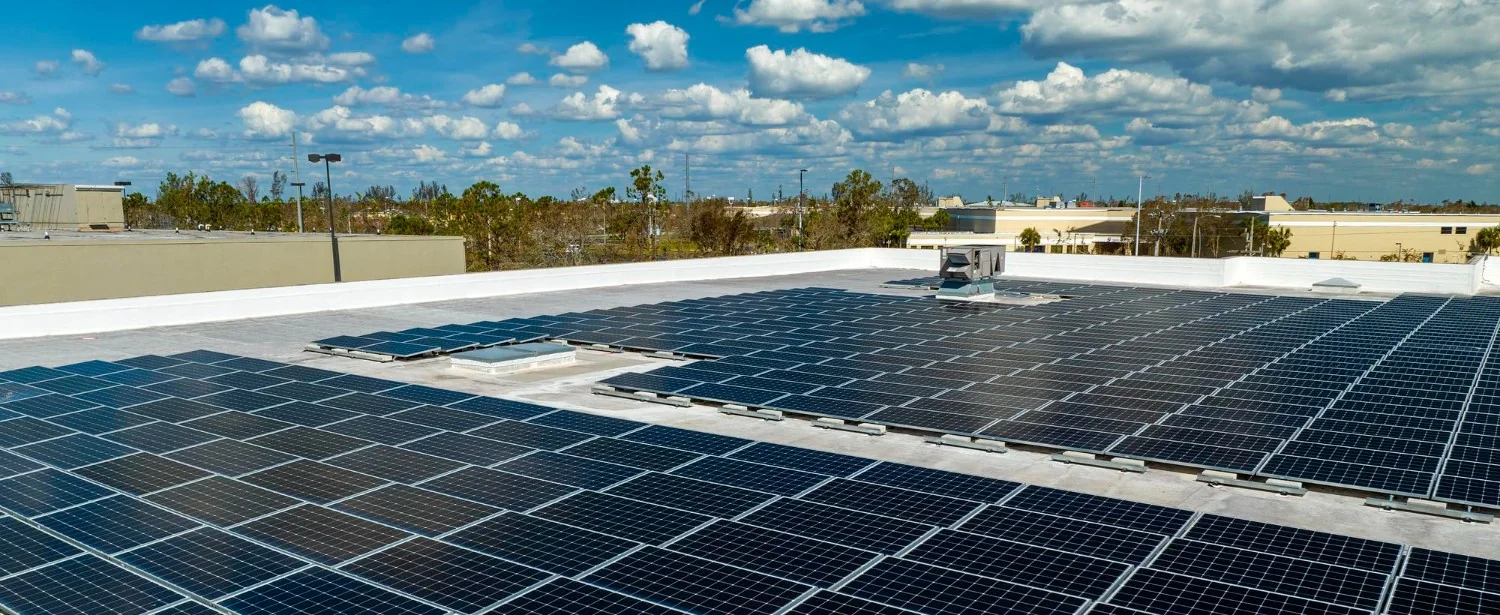
<ul><li><i>India’s rooftop solar capacity reached 30.7 GW in July 2026, increasing the need for better grid management and flexibility.</i></li><li><i>Kerala and Maharashtra are exploring battery ener…
• 𝘛𝘩𝘦 𝘌𝘐𝘉 𝘎𝘳𝘰𝘶𝘱 𝘱𝘭𝘢𝘯𝘴 𝘵𝘰 𝘱𝘳𝘰𝘷𝘪𝘥𝘦 𝘢𝘵 𝘭𝘦𝘢𝘴𝘵 €30 𝘣𝘪𝘭𝘭𝘪𝘰𝘯 𝘧𝘰𝘳 𝘤𝘭𝘪𝘮𝘢𝘵𝘦 𝘢𝘥𝘢𝘱𝘵𝘢𝘵𝘪𝘰𝘯 𝘣𝘦𝘵𝘸𝘦𝘦𝘯 2026 𝘢𝘯𝘥 2030. • 𝘛𝘩𝘦 𝘯𝘦𝘸 𝘵𝘢𝘳𝘨𝘦𝘵 𝘥𝘰𝘶𝘣𝘭𝘦𝘴 𝘢𝘥𝘢𝘱𝘵𝘢𝘵𝘪𝘰𝘯 𝘧𝘪𝘯𝘢𝘯𝘤𝘪𝘯𝘨 𝘤𝘰𝘮𝘱𝘢𝘳𝘦𝘥 𝘸𝘪𝘵𝘩 𝘵𝘩𝘦 𝘱𝘳𝘦𝘷𝘪𝘰𝘶𝘴 𝘧𝘪𝘷𝘦-𝘺𝘦𝘢𝘳 𝘱𝘦𝘳𝘪𝘰𝘥. • 𝘍𝘶𝘯𝘥𝘪𝘯𝘨…