

17 August 2026
Canada and Ontario are investing $1 billion in infrastructure to help municipalities unlock housing growth while strengthening the foundations of more sustainable and climate-ready communities.
Through the new Non-Development Charge Municipalities Stream, eligible municipalities will receive funding for critical infrastructure including roads, bridges and water systems. The investment is intended to address aging assets and infrastructure backlogs while creating the capacity needed for new housing development.
The funding will be split equally between the two governments. Ontario is providing $500 million through its Municipal Housing Infrastructure Program, while Canada is committing another $500 million through the Build Communities Strong Fund’s Provincial and Territorial stream, subject to an agreement under the Fund.
The initiative has an important sustainability dimension. Upgrading essential infrastructure can help communities accommodate population growth while improving the reliability of services and strengthening their ability to manage climate-related pressures. The broader Build Communities Strong Fund also supports climate adaptation, alongside investments in transit, health, education and other critical infrastructure.
The new stream forms part of the $8.8 billion Canada-Ontario Partnership to Build, which also includes measures supporting municipalities that reduce development charges and expanded HST relief on new homes. Together, these initiatives aim to reduce barriers to housing supply while supporting long-term community development.
Applications for the Non-DC Stream will open October 29, 2026.
The investment signals a broader shift toward viewing housing growth through an infrastructure lens: building more homes also requires reliable, climate-ready systems capable of supporting communities over the long term.
$1 billion for climate-ready infrastructure is where physical-risk investment gets formally scaled, and it affects real-estate developers, insurers and lenders with Ontario portfolio exposure. Our climate-action and impact-assessment teams help clients quantify physical-climate risk and align TCFD-aligned disclosure with real infrastructure priorities.
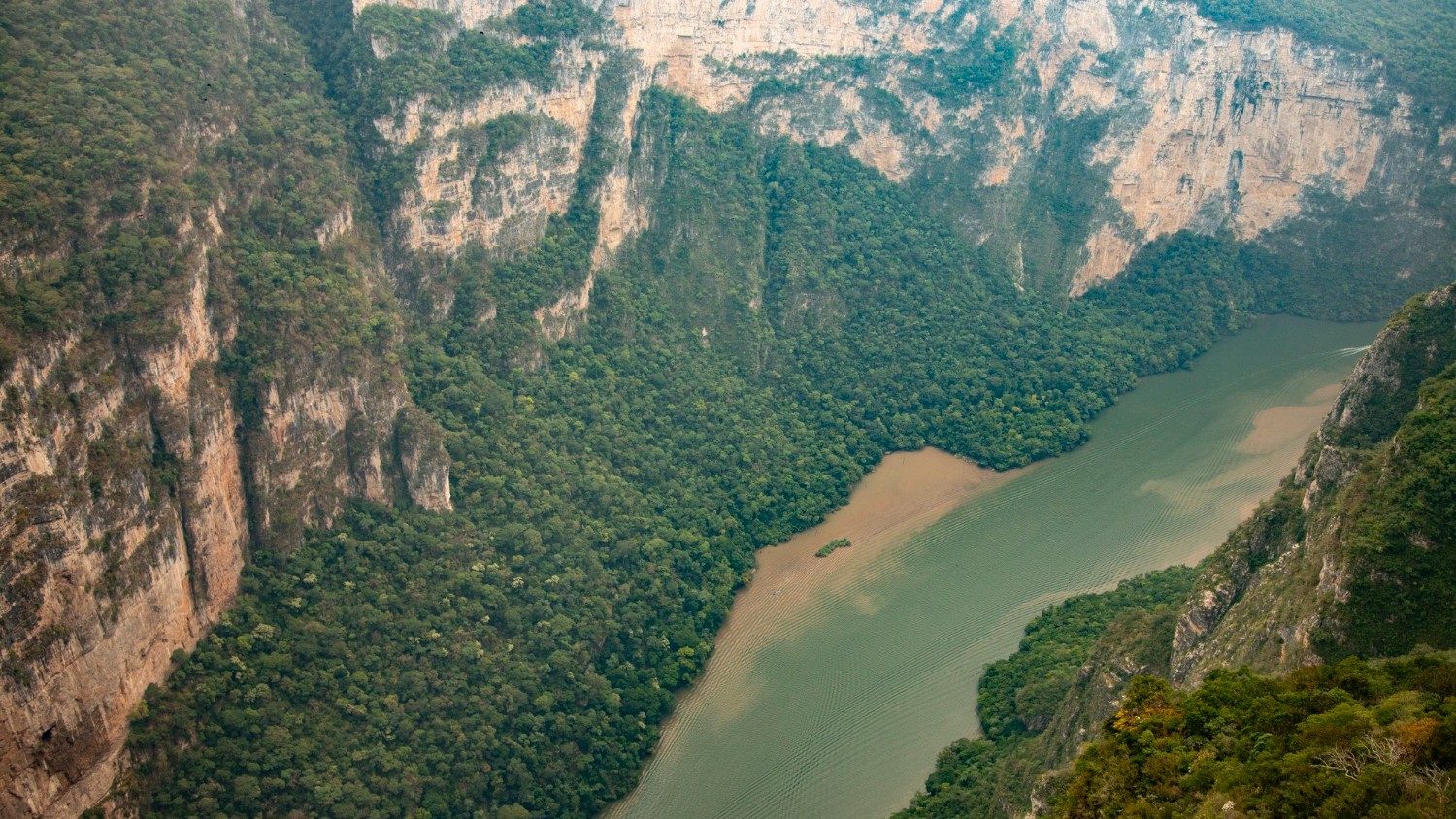
• 𝘔𝘦𝘹𝘪𝘤𝘰 𝘊𝘪𝘵𝘺 𝘩𝘢𝘴 𝘱𝘭𝘢𝘯𝘵𝘦𝘥 10 𝘮𝘪𝘭𝘭𝘪𝘰𝘯 𝘵𝘳𝘦𝘦𝘴, 𝘱𝘭𝘢𝘯𝘵𝘴, 𝘢𝘯𝘥 𝘴𝘩𝘳𝘶𝘣𝘴 𝘢𝘤𝘳𝘰𝘴𝘴 𝘤𝘰𝘯𝘴𝘦𝘳𝘷𝘢𝘵𝘪𝘰𝘯 𝘢𝘳𝘦𝘢𝘴 𝘵𝘰 𝘳𝘦𝘴𝘵𝘰𝘳𝘦 𝘦𝘤𝘰𝘴𝘺𝘴𝘵𝘦𝘮𝘴. • 𝘛𝘩𝘦 𝘤𝘪𝘵𝘺 𝘸𝘪𝘭𝘭 𝘭𝘢𝘶𝘯𝘤𝘩 𝘪𝘵𝘴 𝘭𝘢𝘳𝘨𝘦𝘴𝘵 𝘶𝘳𝘣𝘢𝘯 𝘳𝘦𝘧𝘰𝘳𝘦𝘴𝘵𝘢𝘵𝘪𝘰𝘯 𝘦𝘧𝘧𝘰𝘳𝘵, 𝘵𝘢𝘳𝘨𝘦𝘵𝘪𝘯𝘨 𝘰𝘯𝘦 𝘮𝘪𝘭𝘭𝘪𝘰𝘯 𝘢𝘥𝘥…

• 𝘕𝘰𝘳𝘸𝘢𝘺’𝘴 𝘸𝘦𝘢𝘭𝘵𝘩 𝘧𝘶𝘯𝘥 𝘮𝘢𝘯𝘢𝘨𝘦𝘳 𝘩𝘢𝘴 𝘤𝘰𝘮𝘮𝘪𝘵𝘵𝘦𝘥 $1.36 𝘣𝘪𝘭𝘭𝘪𝘰𝘯 𝘵𝘰 𝘊𝘰𝘱𝘦𝘯𝘩𝘢𝘨𝘦𝘯 𝘐𝘯𝘧𝘳𝘢𝘴𝘵𝘳𝘶𝘤𝘵𝘶𝘳𝘦 𝘗𝘢𝘳𝘵𝘯𝘦𝘳𝘴’ 𝘴𝘪𝘹𝘵𝘩 𝘧𝘭𝘢𝘨𝘴𝘩𝘪𝘱 𝘧𝘶𝘯𝘥. • 𝘛𝘩𝘦 𝘪𝘯𝘷𝘦𝘴𝘵𝘮𝘦𝘯𝘵 𝘣𝘶𝘪𝘭𝘥𝘴 𝘰𝘯 𝘢 𝘱𝘢𝘳𝘵𝘯𝘦𝘳𝘴𝘩𝘪𝘱 𝘦𝘴𝘵𝘢𝘣𝘭𝘪𝘴𝘩𝘦𝘥 𝘪𝘯 2024 𝘸𝘪𝘵𝘩 𝘢 $1.02 𝘣𝘪𝘭𝘭𝘪𝘰𝘯…
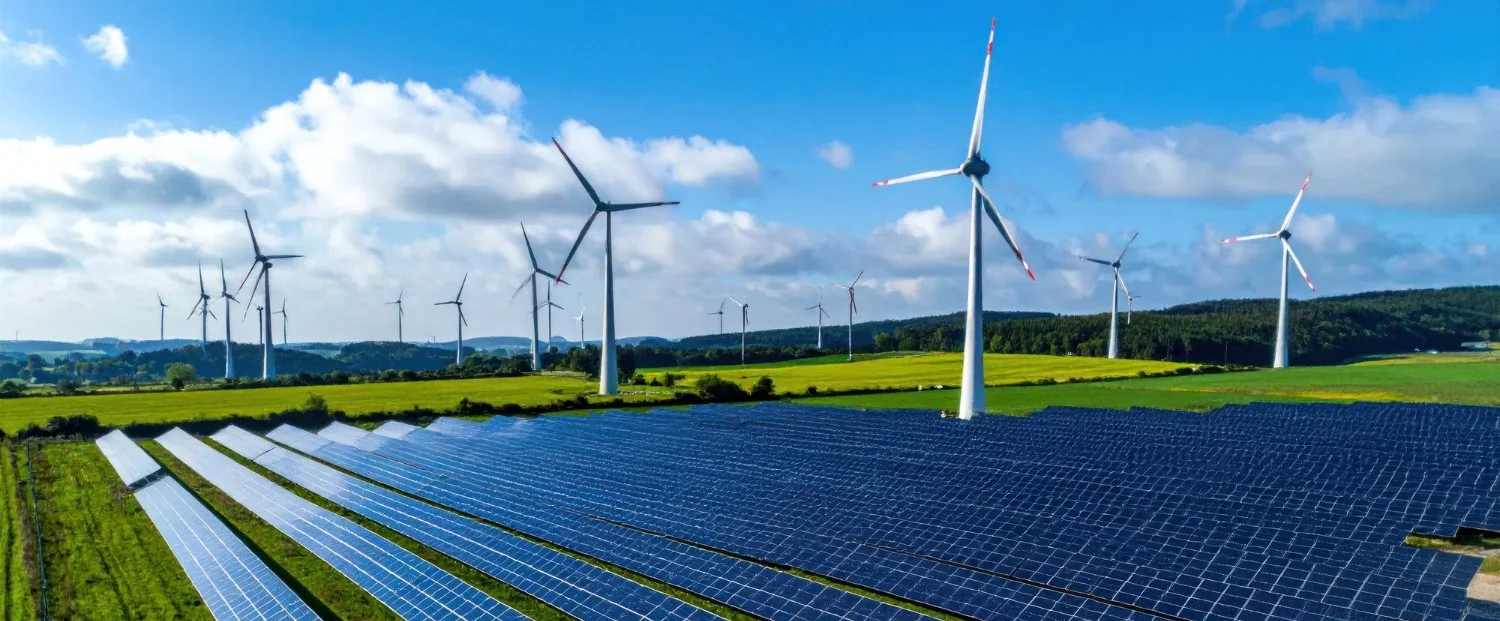
<ul><li><i>Union Cabinet approves the third phase of the Green Energy Corridor programme.</i></li><li><i>The scheme will add 51,126 circuit kilometres of transmission lines and around 229 GVA of trans…